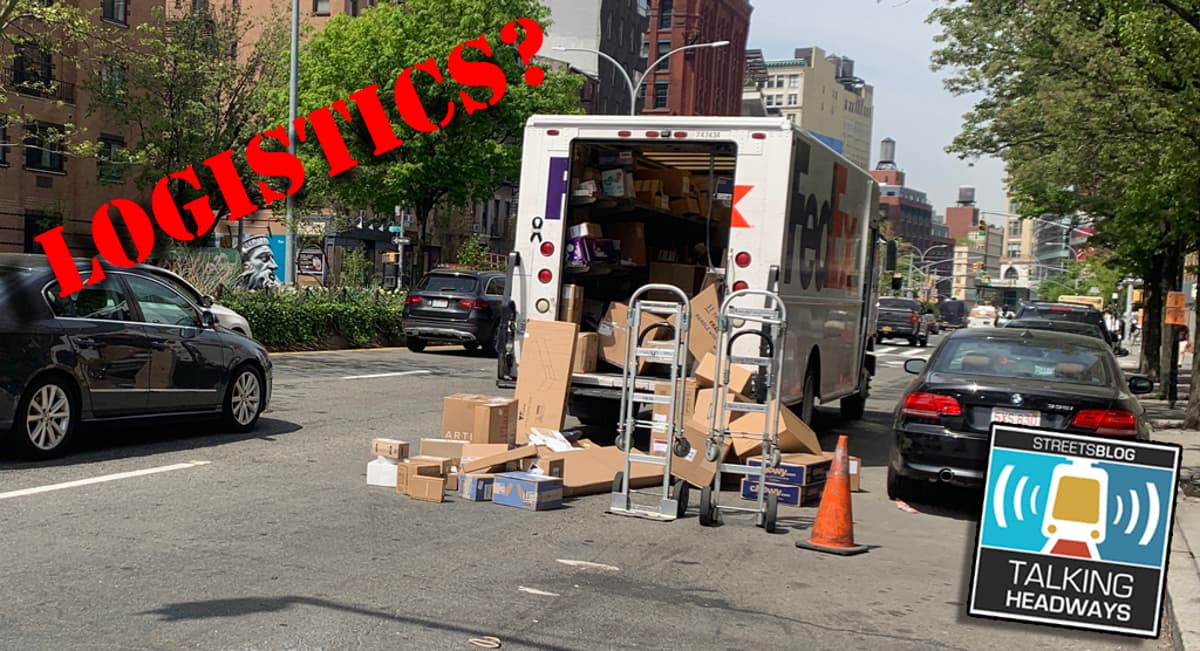
Talking Headways Podcast: The Logistics of Package Delivery
Key Takeaways
- •Amazon's last‑mile network relies on third‑party delivery service providers.
- •California AB 98 likely has minimal effect on warehouse expansion.
- •NYC Delivery Protection Act pushes Amazon to hire drivers as W‑2 employees.
- •Local site fights increasingly shape warehouse siting more than state law.
- •NLRB ruling classifies Amazon as joint employer of its delivery workforce.
Pulse Analysis
The surge in online shopping has turned last‑mile delivery into a high‑stakes arena where efficiency meets safety. Companies like Amazon outsource most doorstep drops to third‑party delivery service providers, a model that scales quickly but creates a fragmented labor pool. Drivers often operate as gig workers or under captive DSP contracts, leaving the parent retailer insulated from direct employment liabilities while still controlling routing, scheduling, and performance metrics. This structure has driven rapid expansion of micro‑fulfillment centers and dense urban delivery networks, but it also raises questions about driver safety and accountability.
Legislative efforts are beginning to challenge the status quo. California’s AB 98, aimed at improving truck routing and air quality, is viewed by experts as a modest tweak that will not curb warehouse growth in the Inland Empire. In contrast, local site‑fighting campaigns have proven more decisive, with municipalities leveraging zoning and community opposition to shape where new facilities arise. The most consequential proposal is New York City’s Delivery Protection Act, which would compel Amazon to classify its delivery drivers as W‑2 employees, thereby extending corporate liability for accidents and ensuring workers receive standard employment benefits. A recent NLRB decision already affirmed Amazon’s joint‑employer status, setting a precedent that could inspire similar measures in other major metros such as Los Angeles, Chicago, and Seattle.
If enacted, these policies could reshape the economics of last‑mile logistics. Converting gig‑style drivers to full‑time employees would increase labor costs, potentially prompting firms to invest in automation, redesign delivery routes, or renegotiate contracts with DSPs. Moreover, heightened liability exposure may drive retailers to adopt stricter safety protocols and insurance coverage. For the broader industry, the shift signals a move toward greater regulatory scrutiny and a rebalancing of power between e‑commerce platforms, third‑party providers, and municipal governments, ultimately influencing how consumers receive packages in the coming decade.
Talking Headways Podcast: The Logistics of Package Delivery
Comments
Want to join the conversation?