Key Takeaways
- •CAFE targets rise with vehicle footprint, penalizing small cars.
- •Honda Fit would face ~$3,900 fine per vehicle under current rules.
- •2025 OBBBA eliminated fines, but size‑based penalties remain on paper.
- •Honda replaced Fit with larger HR‑V to lower its fuel‑economy target.
- •Experts call for size‑neutral standards to better align emissions incentives.
Pulse Analysis
The Corporate Average Fuel Economy (CAFE) program calculates a vehicle’s required miles‑per‑gallon based on its "footprint"—the area between the wheels. Larger footprints shift the target curve downward, meaning big trucks need lower mpg to comply, while compact cars face much higher targets. Penalties are assessed on the gap in mpg, not gallons per mile, creating a distortion: a 25‑mpg shortfall from a 50‑mpg target incurs the same fine as a 50‑mpg shortfall from a 75‑mpg target, even though the former burns far more fuel.
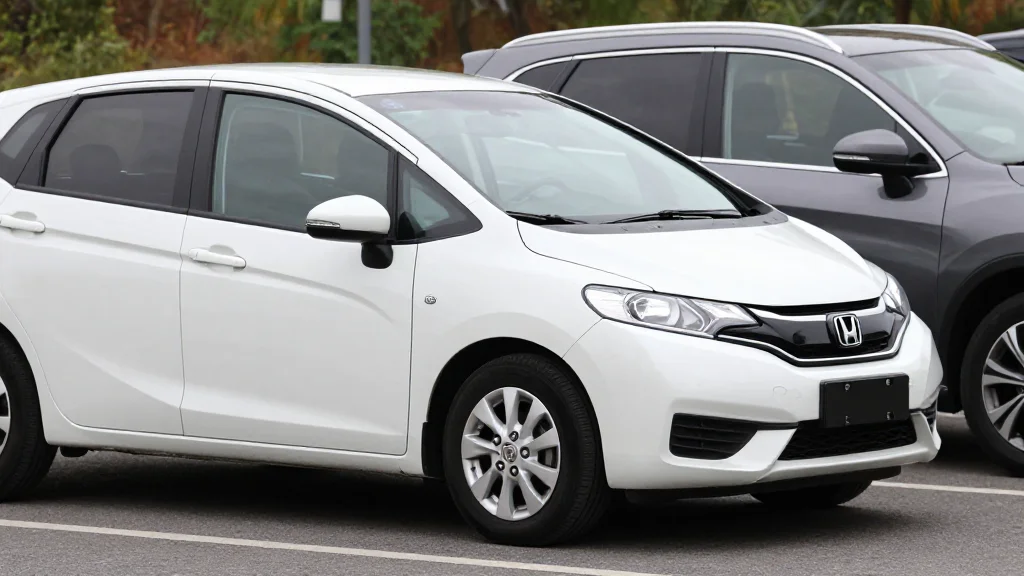
For automakers, the math translates into costly compliance decisions. A 2013 Honda Fit, with a 39‑sq‑ft footprint, would have been required to achieve roughly 67 mpg; falling short by 23 mpg would trigger about $3,900 in fines per vehicle. Faced with such a penalty, Honda discontinued the Fit and introduced the larger HR‑V, whose bigger footprint lowers the required mpg to 49, reducing the fine exposure. This shift nudges the market toward bulkier models, inflates vehicle prices, and limits the availability of truly efficient cars for consumers.
Policy-wise, the 2025 One Big Beautiful Bill Act (OBBBA) zeroed out the monetary penalties, but the underlying footprint‑based targets remain intact and could be re‑activated by future administrations. Industry analysts and environmental groups argue for a return to size‑neutral standards or a direct carbon tax, which would align incentives with actual emissions reductions rather than vehicle dimensions. Such reforms could restore competitive pressure for genuine fuel efficiency, lower fleet‑wide greenhouse‑gas output, and provide clearer signals for long‑term R&D investment in advanced powertrains.
Taxing Small Cars To Improve MPG
Comments
Want to join the conversation?