Tesla Cybercab Is Super Efficient — Questions & Hurdles Remain
Key Takeaways
- •Cybercab achieves 165 Wh/mile, about 2.6¢ per mile operating cost
- •Efficiency surpasses Lucid Air Pure’s 230 Wh/mile, setting new benchmark
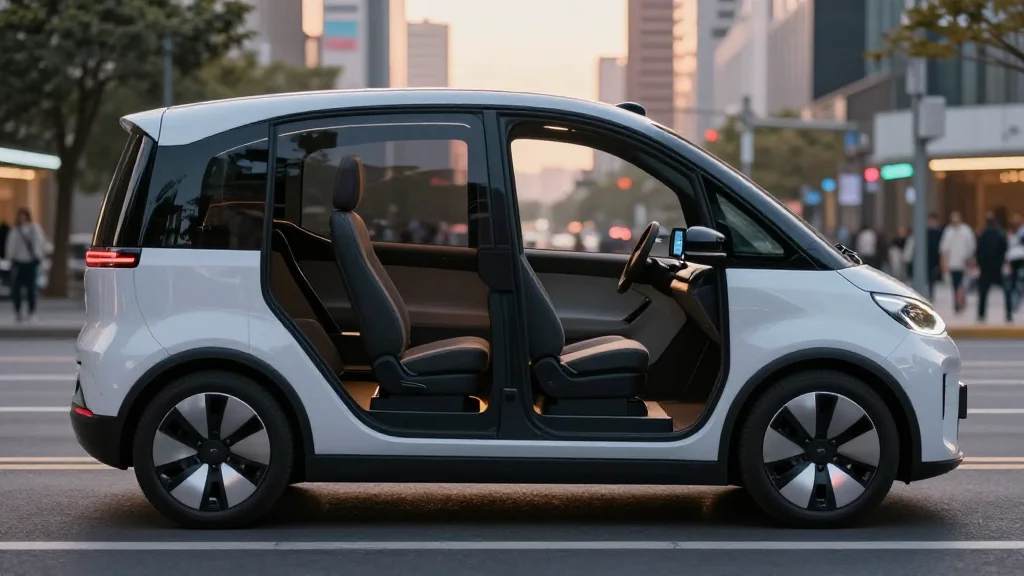
- •Design drops steering wheel, pedals, seats two, prioritizing weight reduction
- •Viability depends on Tesla’s Full Self‑Driving reaching commercial safety standards
Pulse Analysis
The electric‑vehicle market has long chased lower energy consumption, and Tesla’s Cybercab pushes the envelope with a 165 Wh per mile rating—roughly a 28% improvement over the Lucid Air Pure. At an estimated 2.6¢ per mile, the operating cost is dramatically lower than most passenger EVs, positioning the Cybercab as a potentially game‑changing platform for high‑volume, low‑margin services such as robotaxis. This efficiency advantage could accelerate fleet operators’ shift from internal‑combustion or less efficient EVs, especially as electricity prices remain stable in the United States.
Achieving that efficiency required radical design choices. By eliminating a steering wheel, pedals, and expanding cargo space, Tesla shed significant weight and streamlined the vehicle’s silhouette for optimal aerodynamics. The two‑seat cabin limits passenger capacity, but for a dedicated ride‑hailing service the trade‑off is acceptable if the vehicle can operate continuously without a driver. The stripped‑down interior also reduces manufacturing complexity and cost, reinforcing the economic case for a purpose‑built robotaxi that can run longer between charges.
However, the Cybercab’s promise is tethered to the maturity of Tesla’s Full Self‑Driving suite. Regulatory approval for driverless operation without any human controls will demand rigorous safety validation, and skeptics point to the current limitations of Tesla’s sensor suite and software. If Tesla can demonstrate reliable, city‑scale autonomy, the Cybercab could catalyze a new wave of ultra‑efficient, on‑demand mobility. Conversely, delays in FSD certification may relegate the prototype to a showcase rather than a commercial reality, underscoring the tight link between hardware efficiency and software readiness in autonomous EV deployment.
Tesla Cybercab Is Super Efficient — Questions & Hurdles Remain
Comments
Want to join the conversation?