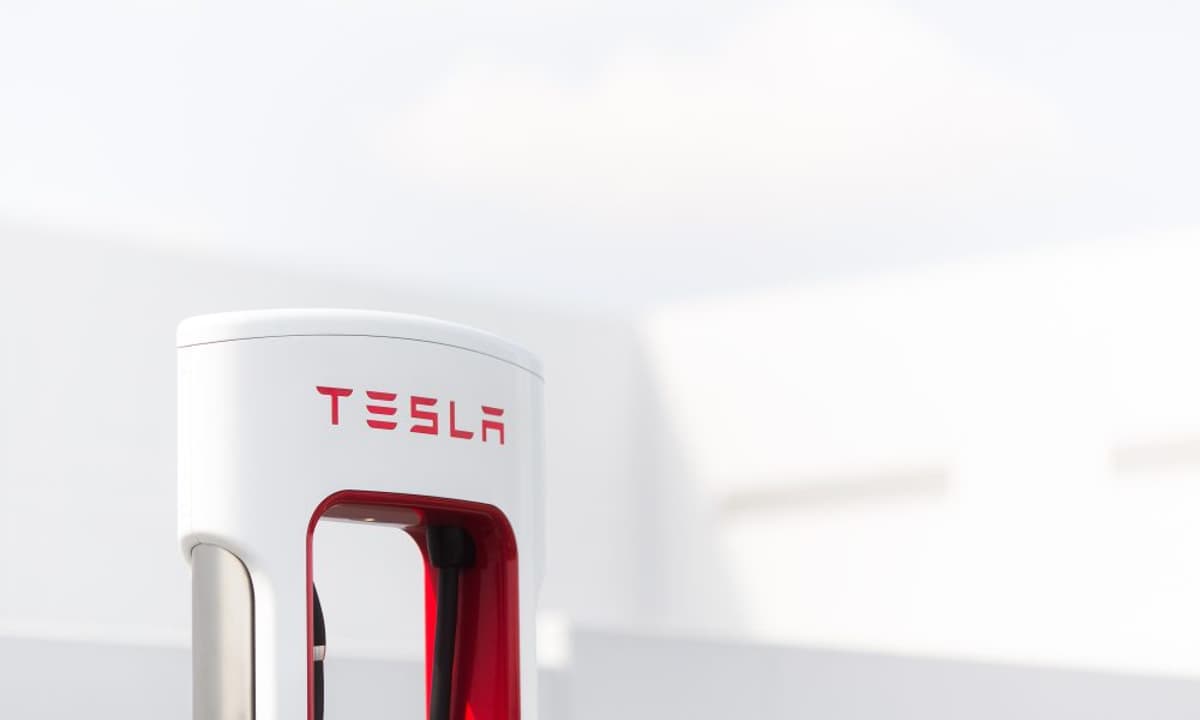
Tesla Launches Its Solution to Rare but Relevant Supercharger Problem
Key Takeaways
- •Tesla pilots Virtual Waitlist at five California and New York stations
- •Feature auto‑adds drivers to queue via navigation destination
- •Non‑Tesla EVs can join the waitlist through the app
- •Real‑time line position reduces disputes and improves station flow
- •Feedback loop will guide broader rollout across the Supercharger network
Pulse Analysis
The Supercharger network has become a cornerstone of Tesla's value proposition, but as the system opens to non‑Tesla electric vehicles, occasional line‑cutting incidents have drawn unwanted attention. While such confrontations are statistically rare, they highlight a broader challenge: managing real‑time demand at high‑traffic charging hubs. Traditional first‑come‑first‑served models struggle to convey queue status, leading to confusion and, in extreme cases, physical altercations. Industry observers note that effective queue management is increasingly critical as EV adoption accelerates and charging stations become shared resources.
Tesla's Virtual Waitlist tackles the problem with software rather than signage. When a driver selects a Supercharger as a navigation destination, the vehicle is automatically placed in a digital queue, and the Tesla app displays the current position and estimated wait time. The pilot, active at five strategically chosen sites in California and New York, also supports non‑Tesla EVs, reflecting the company's broader open‑charging strategy. Real‑time notifications keep drivers informed, reducing the impulse to cut in line and smoothing the flow of vehicles through each station. Early footage shows wait times of under five minutes, suggesting the system can keep congestion low even during peak usage.
Beyond immediate conflict mitigation, the waitlist provides Tesla with granular usage data that can inform capacity planning and future site selection. By aggregating queue lengths, dwell times, and driver feedback, the company can prioritize upgrades where demand consistently exceeds supply. This data‑driven approach positions Tesla to scale its network efficiently, a competitive advantage as rivals expand their own fast‑charging offerings. For the broader EV ecosystem, Tesla's move signals a shift toward integrated, app‑based charging experiences that prioritize transparency and user convenience, setting a new standard for how charging infrastructure can support mass adoption.
Tesla launches its solution to rare but relevant Supercharger problem
Comments
Want to join the conversation?