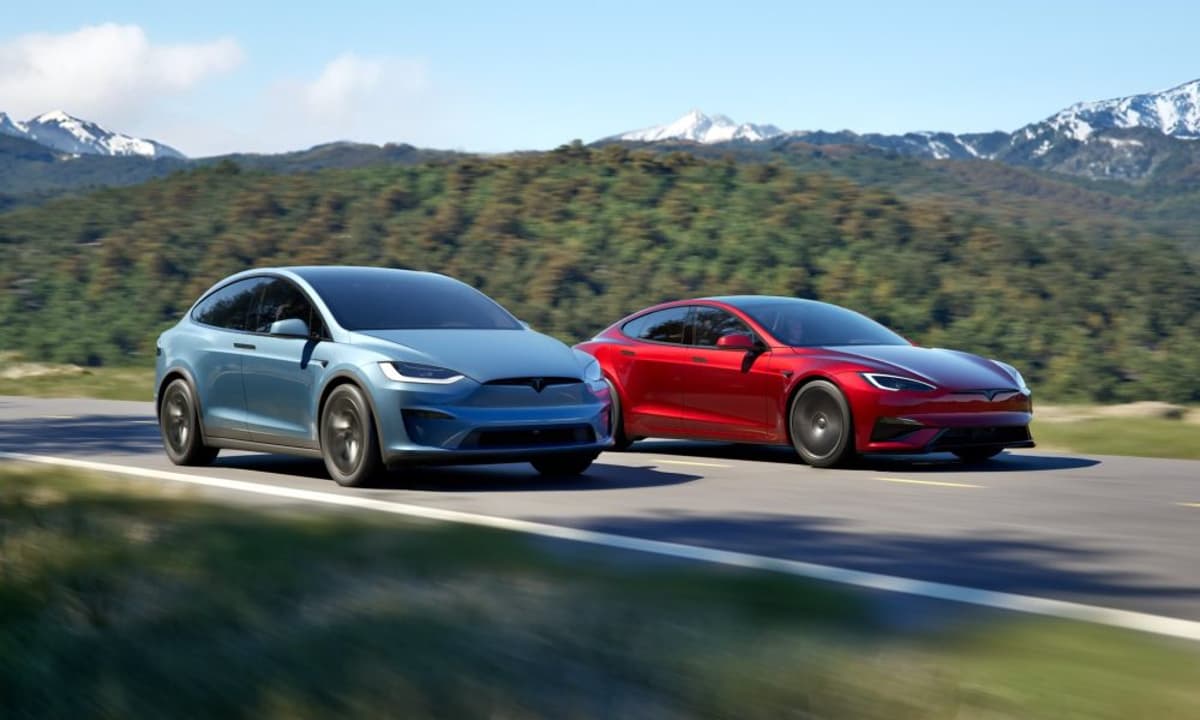
Tesla Makes Latest Move to Remove Model S and Model X From Its Lineup
•March 6, 2026
0
Key Takeaways
- •Tesla removed Model S/X from US referral program.
- •Referral discount cut to $500 for Model S/X purchases.
- •Cybertruck referral now offers three months of FSD.
- •Production of Model S/X ends Q2 2026.
- •Flagship sales dropped to 53,900 units in 2025.
Summary
Tesla has removed the Model S and Model X from its U.S. referral program, eliminating the $1,000 discount for new buyers. The referral discount for these flagships is now $500, while Cybertruck buyers receive three months of Full Self‑Driving instead of a cash rebate. The move follows Tesla’s earlier announcement that production of the Model S and Model X will cease in Q2 2026 as the company reallocates capacity to new vehicles and its Optimus robot. Flagship sales have already fallen to 53,900 units in 2025, prompting Tesla to shift incentives toward higher‑margin models.
Pulse Analysis
Tesla’s latest adjustment to its referral program signals a broader realignment of its incentive structure. By stripping the $1,000 discount from the Model S and Model X and halving the loyalty credit, the automaker is reducing subsidies on models slated for discontinuation. The replacement offer—three months of Full Self‑Driving for Cybertruck buyers—highlights Tesla’s emphasis on software subscriptions as a higher‑margin revenue stream. This change also reflects the company’s intent to preserve cash flow while it winds down production of its legacy luxury flagships.
The phase‑out of the Model S and Model X has ripple effects across the premium EV market. Competitors that have relied on Tesla’s benchmark for luxury performance now face a gap in the high‑end segment, potentially opening space for brands like Lucid and Mercedes‑EQ to capture affluent buyers. Moreover, reallocating factory capacity away from low‑volume models frees up resources for the upcoming Cybertruck generations and the Optimus humanoid robot, aligning with Elon Musk’s vision of a diversified product portfolio that leans heavily on autonomous‑driving software and robotics.
For investors, the move offers a clearer picture of Tesla’s margin‑optimization strategy. Eliminating deep discounts on outgoing models reduces cost‑of‑goods pressure, while incentivizing FSD adoption could boost recurring subscription revenue. However, the abrupt reduction in perks may spur short‑term ordering spikes as customers rush to lock in remaining discounts, creating a temporary sales surge that could mask longer‑term demand trends. Overall, the decision underscores Tesla’s transition from a diversified vehicle lineup to a focus on high‑margin, software‑centric growth.
Comments
Want to join the conversation?