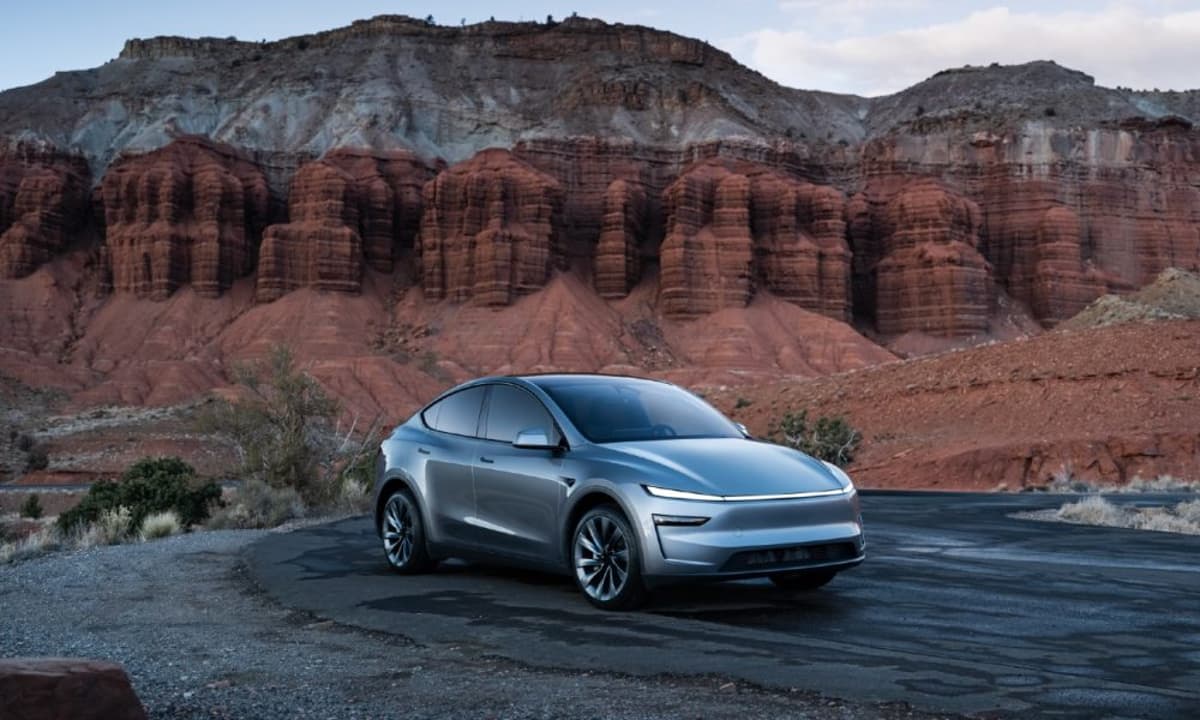
Tesla Model Y Outsells Everything in Three States, but Ford Dominates
•March 9, 2026
0
Key Takeaways
- •Tesla Model Y leads in California, Washington, Nevada
- •Ford F-Series tops sales in 29 states
- •EV adoption driven by West Coast incentives
- •Pickup trucks remain dominant in rural markets
- •Battery tech improvements could shift more states
Summary
Tesla’s Model Y emerged as the best‑selling vehicle in California, Washington and Nevada in 2025, marking the electric crossover’s first outright state‑wide victories. Meanwhile, Ford’s F‑Series pickups retained dominance across 29 states, underscoring the continued appeal of traditional trucks in rural and Midwestern markets. The contrast highlights a geographic split: EVs thriving where charging infrastructure and incentives are strong, while gasoline‑powered pickups dominate elsewhere. The data, compiled by Edmunds and visualized by Visual Capitalist, signals a pivotal moment in the U.S. automotive landscape.
Pulse Analysis
The latest registration data paints a clear picture of America’s automotive dichotomy. While Ford’s F‑Series continues to capture the hearts of consumers in 29 states, the Model Y’s surge in California, Washington and Nevada reflects a growing appetite for electric SUVs where charging networks are dense and state incentives generous. Analysts note that the crossover’s blend of range, performance and lower operating costs resonates with tech‑savvy buyers, turning the Model Y into more than just an EV leader—it’s now a mainstream bestseller in key markets.
West Coast success is no accident. California’s aggressive zero‑emission mandates, Nevada’s tax credits, and Washington’s robust public‑charging rollout create an ecosystem that lowers the total cost of ownership for electric vehicles. Demographically, these states host higher income households and a cultural tilt toward sustainability, amplifying demand for vehicles like the Model Y that combine utility with green credentials. This regional momentum is prompting other manufacturers to accelerate EV rollouts, aiming to capture similar market share in states with emerging infrastructure.
Looking ahead, the automotive battleground will likely shift as battery technology improves and charging becomes ubiquitous nationwide. Legacy automakers such as Ford are already investing heavily in electrified versions of their trucks, recognizing that the pickup’s utility appeal can coexist with zero‑emission powertrains. For Tesla, maintaining dominance in populous states provides a strategic foothold for broader national expansion. Policymakers, too, play a crucial role; expanded incentives and grid upgrades could tip the balance, turning today’s regional EV strongholds into a nationwide trend. The interplay between traditional trucks and electric crossovers will define dealer inventories, supply chains, and profit margins for years to come.
Comments
Want to join the conversation?