Tesla Scales Unsupervised Robotaxis, Wisk Doubles Fleet, Meta Aspires to Build the Android of Humanoids
Key Takeaways
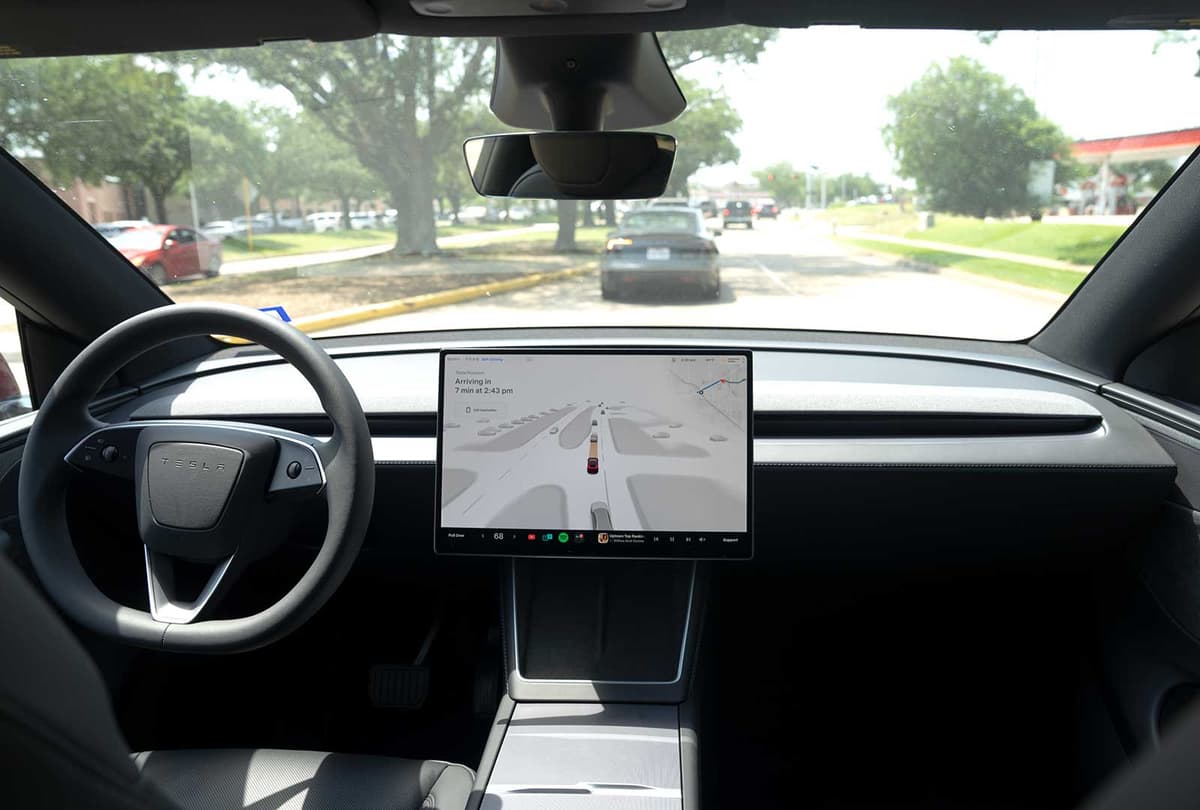
- •Tesla's unsupervised robotaxi fleet exceeds 36 vehicles across three cities
- •Dallas and Houston launches operate without chase vehicles, reducing operational costs
- •Wisk Aero doubled Gen 6 fleet, flew second production prototype in California
- •FAA type certification remains a major hurdle for autonomous passenger flights
- •Meta's ARI acquisition aims to create an open‑source humanoid OS
Pulse Analysis
Tesla’s decision to run robotaxis without chase vehicles marks a pivotal shift in autonomous‑vehicle economics. By removing the need for a human‑piloted safety car, the company cuts labor costs and simplifies fleet logistics, making large‑scale deployment in dense markets more viable. The expansion to Dallas and Houston also tests the system in varied traffic conditions, providing valuable data that could accelerate regulatory approval and pressure rivals to adopt similar unsupervised models.
Wisk Aero’s fleet‑doubling effort underscores the intense race to certify autonomous eVTOLs for passenger service. While the successful uncrewed flight of its second Gen 6 prototype demonstrates technical maturity, the company still faces the Federal Aviation Administration’s rigorous type‑certification process, which is more demanding than the pilot‑in‑the‑loop pathways pursued by Joby and Archer. The regulatory gap highlights the strategic trade‑off between rapid testing and the timeline for commercial operations, a factor investors watch closely as the urban air‑mobility market matures.
Meta’s purchase of Assured Robot Intelligence signals a broader ambition to dominate the software layer of humanoid robotics. By integrating ARI’s expertise into its Superintelligence Labs, Meta aims to create an open‑source operating system that developers can build upon, much like Android transformed mobile computing. This approach could lower entry barriers for hardware partners, accelerate innovation, and establish Meta as the de‑facto platform for future humanoid assistants, potentially reshaping industries from logistics to personal care. The move also reflects a growing convergence of AI, robotics and cloud infrastructure under a single ecosystem.
Tesla Scales Unsupervised Robotaxis, Wisk Doubles Fleet, Meta Aspires to Build the Android of Humanoids
Comments
Want to join the conversation?