Tesla to Improve One of Its Best Features, Coding Shows
•February 24, 2026
0
Why It Matters
The enhancement boosts road safety and driver comfort while reinforcing Tesla’s reputation for rapid, software‑first vehicle upgrades, a competitive edge in the EV market.
Key Takeaways
- •Software 2026.2.xxx adds two-stage headlight dimming
- •Detects reflective objects like signs, reducing glare
- •Pixel-level control improves oncoming traffic safety
- •No hardware retrofit needed for existing models
- •Enhances Tesla’s OTA leadership in vehicle optics
Pulse Analysis
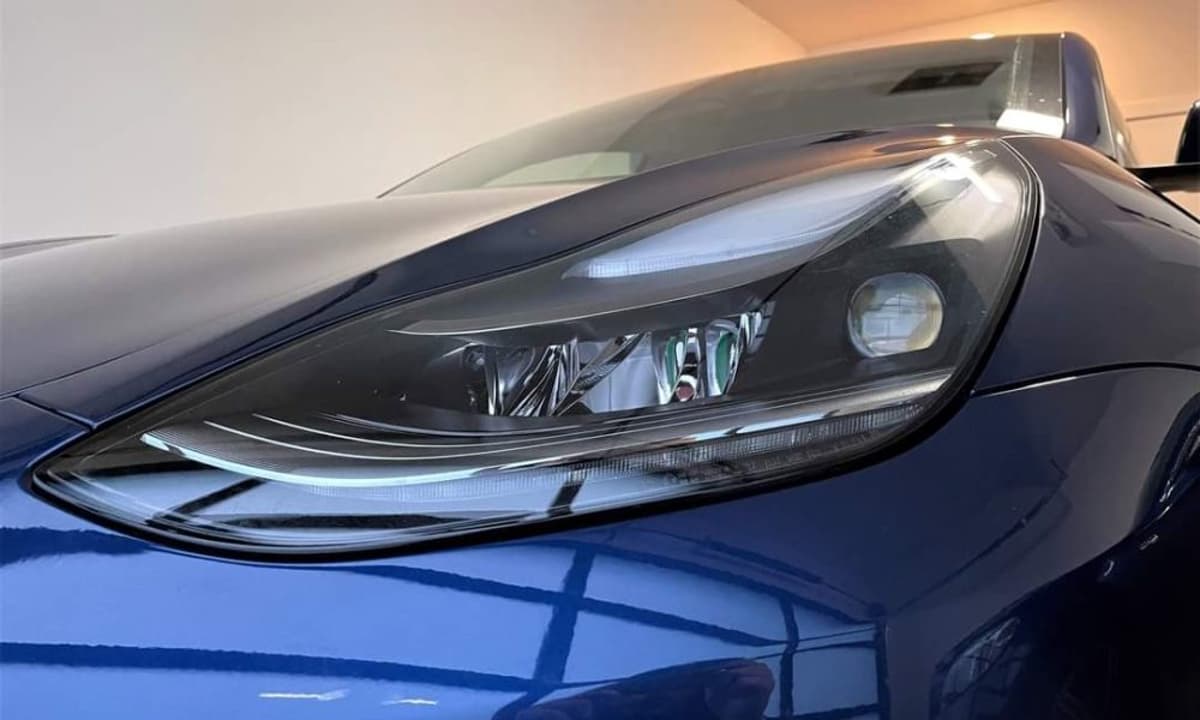
Tesla’s Matrix Headlights have long been a showcase of the company’s high‑tech approach to vehicle lighting, using an array of individually controllable LEDs to shape beam patterns in real time. By dynamically dimming pixels that would blind oncoming traffic, the system already offers a safer alternative to traditional high beams. However, early adopters reported occasional glare and inconsistent performance around reflective surfaces, prompting Tesla engineers to refine the algorithm through software.
The forthcoming 2026.2.xxx update introduces a two‑stage dimming process, allowing each pixel to transition smoothly between brightness levels rather than a binary on/off state. Coupled with a new detection routine for highly reflective objects—road signs, traffic lights, and even metallic surfaces—the headlights can now pre‑emptively lower intensity in zones that would otherwise cause glare. This granular control not only improves visibility for the driver but also reduces the risk of dazzling other road users, addressing a key safety concern without any hardware changes.
From an industry perspective, Tesla’s ability to push such a sophisticated optics upgrade via over‑the‑air delivery underscores the strategic advantage of software‑centric vehicle platforms. Competitors that rely on hardware revisions face longer development cycles and higher costs, while Tesla can iterate quickly and respond to user feedback. As regulatory bodies worldwide tighten standards on vehicle lighting and glare, Tesla’s proactive enhancements may set a new benchmark, compelling other OEMs to adopt similar OTA‑driven solutions to stay competitive.
Tesla to improve one of its best features, coding shows
0
Comments
Want to join the conversation?
Loading comments...