Tesla Unsupervised Robotaxi Houston Field Report
Key Takeaways
- •Leaving the Tesla app open boosts robotaxi match probability.
- •Houston robotaxi drives more aggressively, mirroring local traffic behavior.
- •Navigation loop caused by faded lane markings on bridge exit.
- •Remote support agent remained silent during repeated loop attempts.
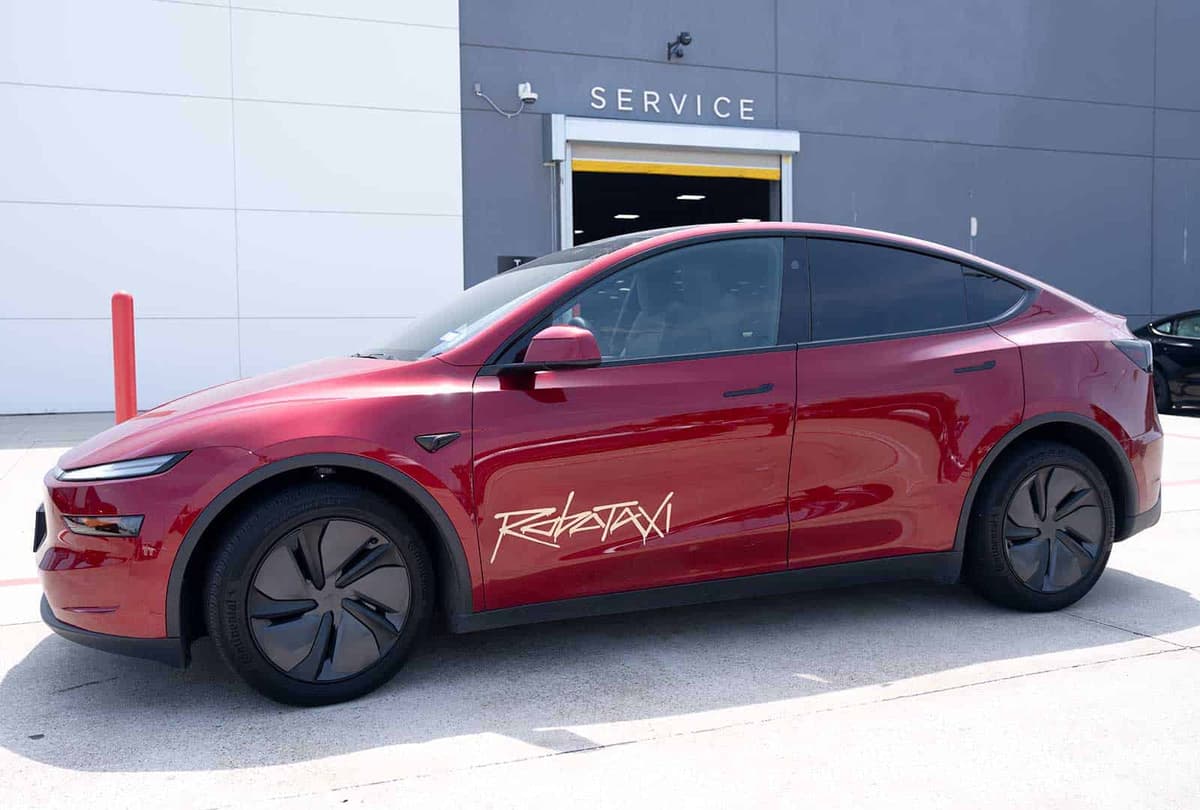
- •Depot co‑located with Tesla service center, enabling scalable fleet operations.
Pulse Analysis
Tesla’s entry into the robotaxi arena has moved beyond purpose‑built test tracks to real‑world deployments, and Houston marks the company’s first use of an existing service‑center as a robotaxi depot. By co‑locating 24 vehicles at the Cypress service hub, Tesla taps into established charging, maintenance and fleet‑management resources, reducing capital outlay and speeding up scaling. Industry analysts see this model as a pragmatic shortcut that could give Tesla a geographic advantage over rivals that rely on dedicated micro‑depots, especially in sprawling metros where land costs are high.
The field report highlights a deliberate calibration of autonomous driving behavior to local traffic norms. In Houston, the robotaxi exhibited more assertive lane changes and unprotected turns, mirroring the city’s reputation for aggressive driving. This adaptive approach echoes strategies once employed by Argo AI and suggests Tesla is fine‑tuning its perception and decision‑making stacks to blend in rather than impose a uniform driving style. Such regional tailoring may improve passenger acceptance but also raises regulatory questions about consistency and safety standards across jurisdictions.
Technical reliability remains a hurdle, as demonstrated by the repeated navigation loop on the SH 6/F M 1960 bridge. Faded lane markings confused the camera‑only perception system, forcing the vehicle to circle until a remote support agent appeared—only to remain silent. The incident underscores the need for robust sensor fusion and responsive human‑in‑the‑loop support before mass rollout. Tesla’s plan to supplement the service‑center hub with hidden micro‑depots could mitigate downtime, but solving perception bugs will be critical to maintaining rider confidence and meeting regulatory expectations.
Tesla Unsupervised Robotaxi Houston Field Report
Comments
Want to join the conversation?