Tesla’s Robotaxi Dreams Just Took a Massive Step Toward Reality
Key Takeaways
- •Texas law allows Tesla to self‑certify Level 4 robotaxis
- •Authorization removes state agency approval, speeding commercial rollout
- •Tesla began mass‑producing Cybercab units at Giga Texas in April
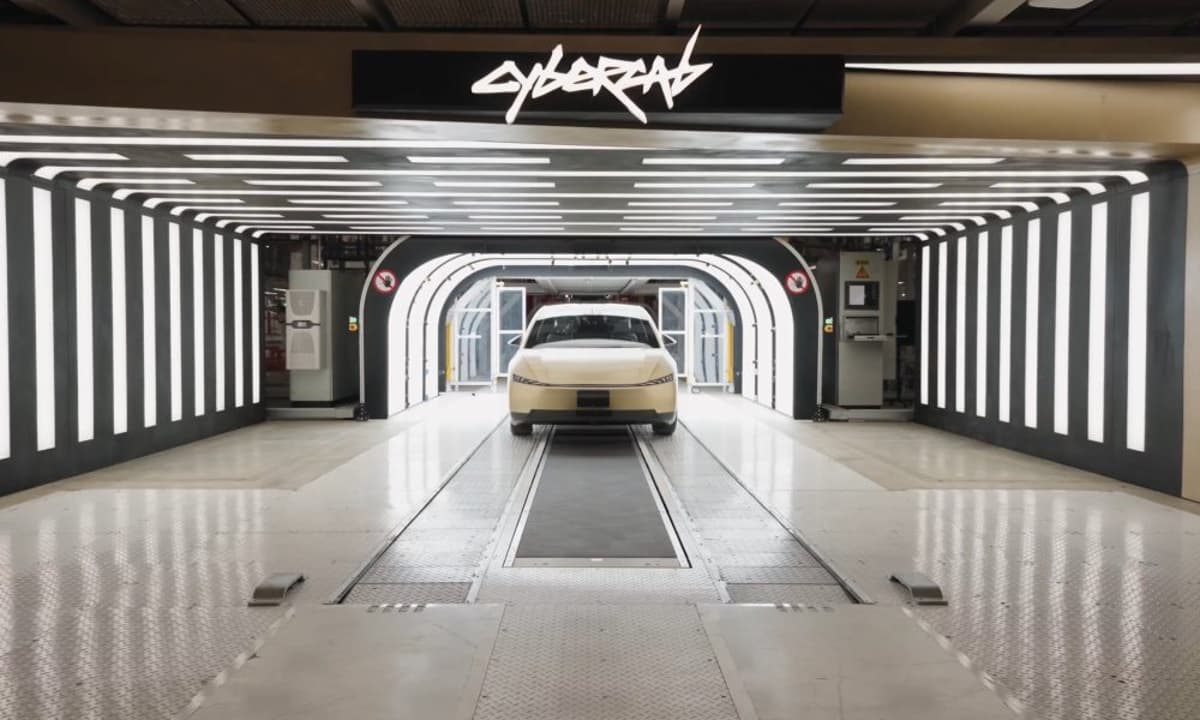
- •Elon Musk posted video of autonomous Cybercab exiting factory
- •Potential launch could reshape U.S. ride‑hailing market dynamics
Pulse Analysis
Texas has become the first U.S. state to grant a blanket self‑certification framework for Level 4 autonomous vehicles, and Tesla was the first to secure that authorization. Senate Bill 2807, effective May 28 2026, shifts the burden of safety verification from state regulators to the manufacturers, provided they meet traffic‑law compliance, registration, insurance and data‑recording requirements. By meeting these criteria, Tesla can legally operate driverless ride‑hailing services without a separate state permit, a regulatory shortcut that could accelerate the rollout of robotaxis nationwide.
At the same time, Tesla’s production line at Giga Texas has already begun shipping the Cybercab, a purpose‑built electric sedan designed for autonomous ride‑hailing. The factory started mass production in April, and on May 28 Elon Musk posted footage of a Cybercab driving itself out of the assembly line, demonstrating functional autonomy on a closed course. This milestone not only validates the hardware integration of Tesla’s Full Self‑Driving (FSD) stack with a vehicle optimized for Level 4 operation, but also signals that a fleet could be ready for commercial deployment within months.
The convergence of regulatory clearance and production readiness puts Tesla ahead of rivals such as Waymo, Cruise and Uber’s Advanced Technologies Group, all of which still rely on city‑by‑city permits or limited pilot programs. If Tesla launches a paid robotaxi service in Texas this year, it could generate a new high‑margin revenue stream and provide real‑world data to refine its FSD algorithms faster than competitors. However, the company must still address safety concerns, insurance costs and public perception, factors that could shape the pace at which autonomous mobility becomes mainstream across the United States.
Tesla’s Robotaxi dreams just took a massive step toward reality
Comments
Want to join the conversation?