Thailand Implements New Restrictions For Power Banks In Passenger Carry-Ons
Key Takeaways
- •Thailand caps carry‑on power banks at 100 Wh (20,000 mAh)
- •Batteries 101‑160 Wh require airline approval before boarding
- •Maximum two lithium batteries per passenger, no checked baggage
- •Charging or using power banks in‑flight is prohibited
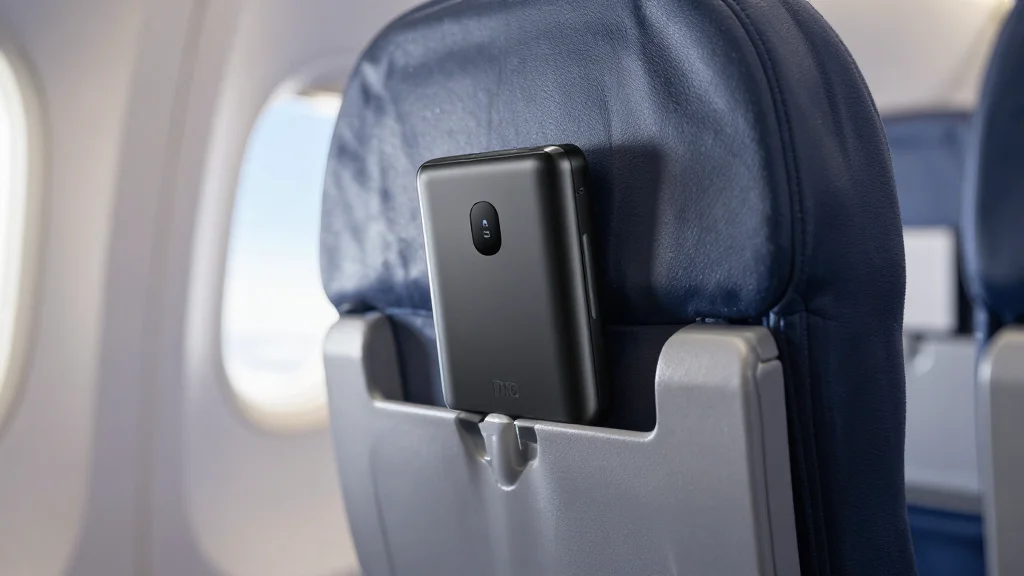
- •Devices must stay in seat pockets, not overhead bins
Pulse Analysis
Airlines worldwide are confronting a surge in lithium‑ion incidents, prompting regulators to harmonize rules that mirror International Civil Aviation Organization (ICAO) guidance. Recent fires on Air Busan, Bangkok Airways, and Thai AirAsia highlighted the volatility of high‑capacity power banks, especially when stored in cramped cargo holds. As a result, jurisdictions from Europe to Asia have introduced stricter limits, and Thailand’s latest decree reflects a broader industry push to mitigate fire risks before they jeopardize flight safety.
Under the new Thai regulations, passengers may only bring power banks that do not exceed 100 Wh (approximately 20,000 mAh) and are limited to two units per person. Devices between 101 Wh and 160 Wh are permissible only after explicit airline approval, while any battery lacking a clear label is barred outright. The CAAT also forbids charging or using these batteries during flight and mandates that they remain within easy reach—seat pockets or under‑seat spaces—so crew can respond instantly to overheating. Airlines operating in and out of Bangkok are updating check‑in software and training staff to enforce these rules, reducing the likelihood of last‑minute confiscations.
For manufacturers and retailers, the tightened caps signal a market shift toward compliant, lower‑capacity power solutions. Travelers heading to Thailand should audit their devices, verify Wh ratings, and consider carrying spare batteries that meet the 100 Wh threshold to avoid inconvenience. Airlines may also adjust fare structures or introduce ancillary fees for excess battery allowances. Ultimately, the policy underscores a growing consensus: safety outweighs convenience, and proactive compliance will become a standard expectation for global air travel.
Thailand Implements New Restrictions For Power Banks In Passenger Carry-Ons
Comments
Want to join the conversation?