The 2026 World Cup Is a Chance to Spotlight Safer Streets and Better Transport
Key Takeaways
- •2026 World Cup co‑hosted by US, Canada, Mexico
- •Millions expected to travel across three nations
- •Event spurs public‑transport and safe‑street investments
- •Legacy could improve urban mobility for decades
Pulse Analysis
The 2026 FIFA World Cup stands out not only for its sporting significance but also for the logistical magnitude of moving an estimated 10‑12 million international visitors across three countries. Host cities must coordinate cross‑border transit, expand airport capacity, and synchronize real‑time traffic management to avoid gridlock. Planners are already evaluating dedicated shuttle lanes, integrated ticketing systems and multimodal hubs that connect rail, bus and bike networks, aiming to keep travel times predictable and emissions low.
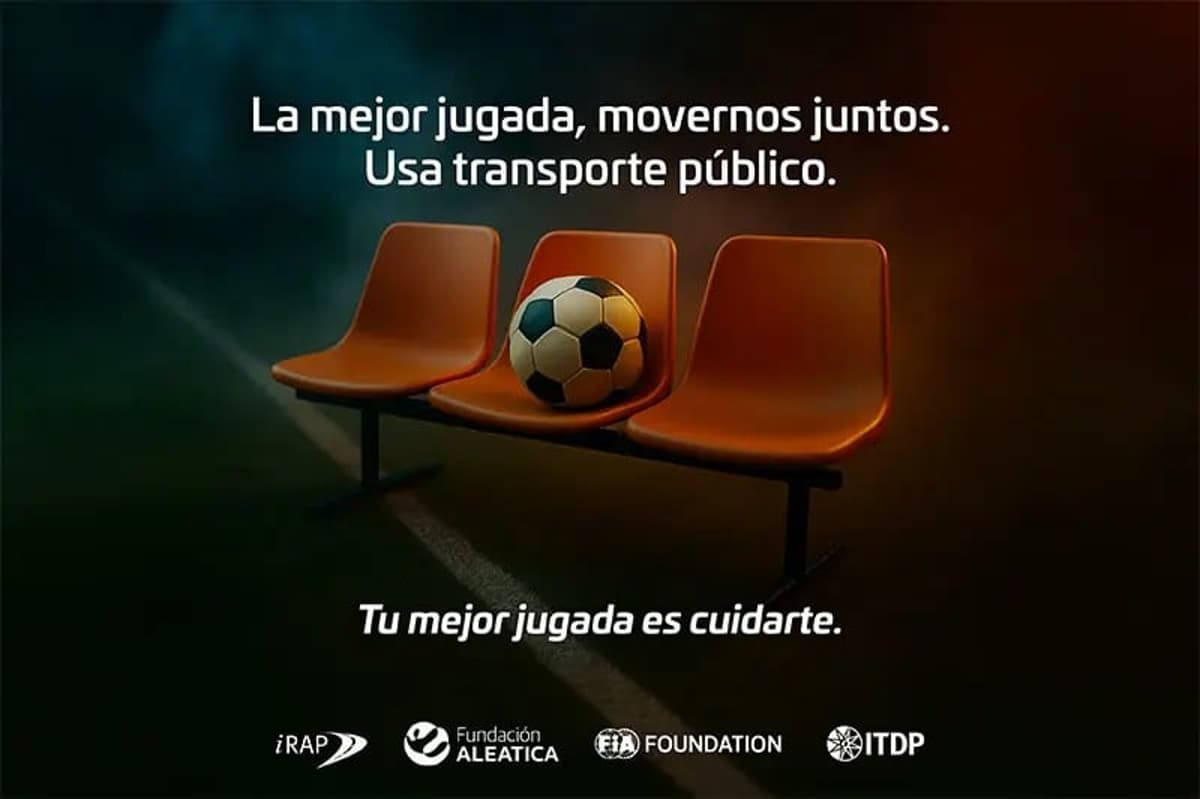
Historically, major sporting events have catalyzed lasting infrastructure upgrades. The 1994 World Cup in the United States left a legacy of expanded highway interchanges, while the 2012 London Olympics accelerated the development of the Crossrail and cycle lanes that now serve daily commuters. For 2026, the Institute for Transportation and Development Policy urges host municipalities to embed permanent street‑safety measures—such as protected bike lanes, pedestrian‑first signal timing and low‑speed zones—into the event’s temporary traffic plans. By aligning funding streams from federal, state and private partners, cities can lock in these improvements beyond the tournament.
The broader implication is a shift toward sustainable, people‑centric mobility in North America. Demonstrating seamless, low‑carbon travel during a high‑visibility event can reshape public perception, encouraging long‑term adoption of public transit and active‑transport modes. Moreover, successful execution will set a benchmark for future global gatherings, reinforcing the idea that mega‑events can be catalysts for greener, safer streets rather than merely short‑term spectacles.
The 2026 World Cup Is a Chance to Spotlight Safer Streets and Better Transport
Comments
Want to join the conversation?