Key Takeaways
- •Highway expansion funded via streamlined, large‑scale program
- •Local street projects rely on competitive, low‑budget grants
- •Funding structure creates bias toward costly road widening
- •Safety‑focused projects face long delays and limited money
- •Reform needed to balance expansion and community street investment
Summary
The article contrasts two parallel tracks in America’s transportation financing: a fast, well‑funded “Lightning Lane” for highway expansions and a slow, competitive grant system for local street safety projects. While expansion projects move quickly through large pots of money, city‑level improvements must navigate complex, low‑budget programs like TIGER, BUILD, and RAISE. This structural bias favors costly road widening over higher‑return, community‑focused investments. The author argues that without reform, the system will continue to prioritize expansion at the expense of safety and fiscal responsibility.
Pulse Analysis
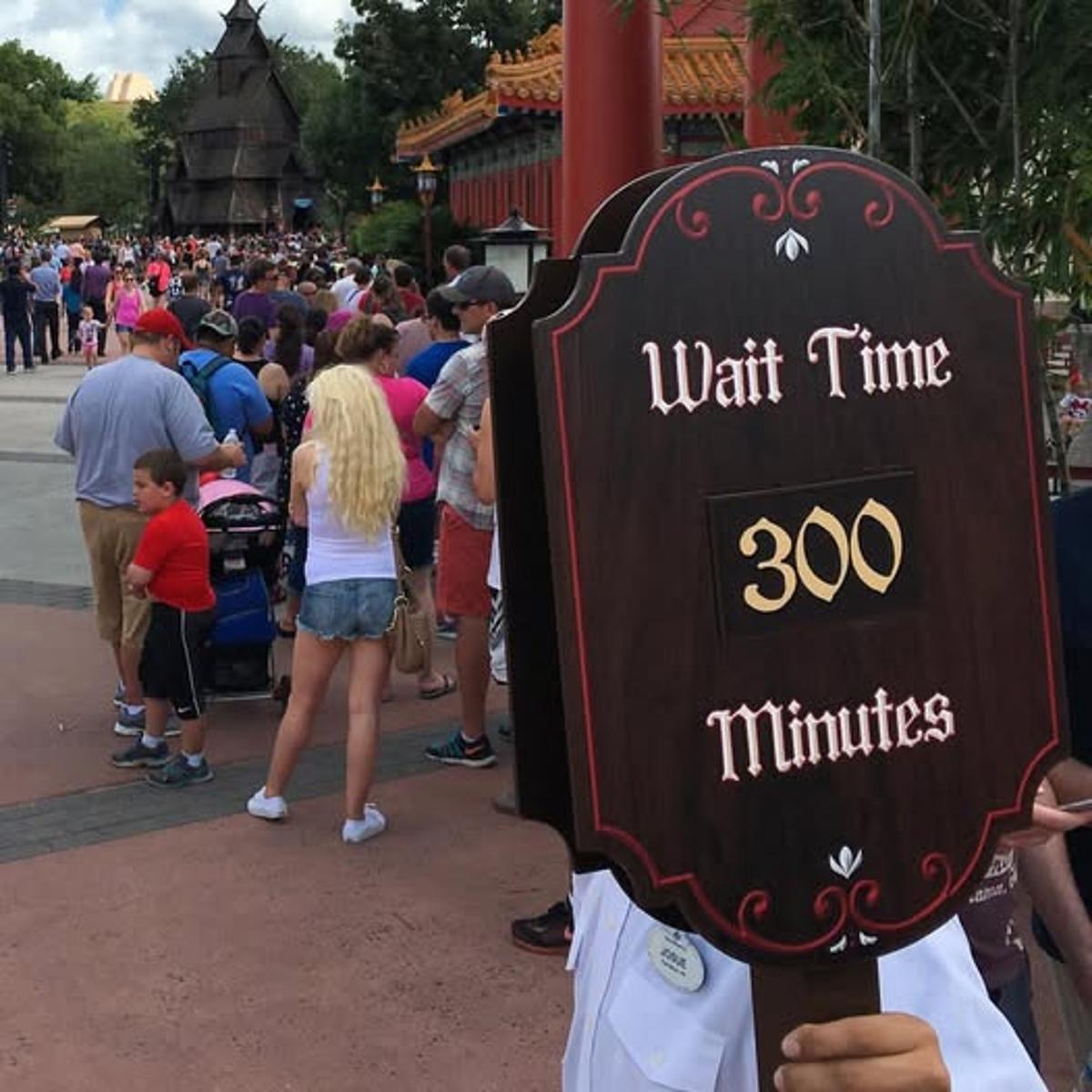
America’s transportation budget has long been split between two distinct financing streams. The legacy programs—TIGER, BUILD, and RAISE—were designed to fund innovative, safety‑oriented projects, yet they operate like a narrow, competitive queue where cities spend months drafting applications for modest sums. In contrast, the highway expansion track functions as a “Lightning Lane,” channeling billions through predictable, streamlined processes that reward large‑scale capacity additions. This dual system reflects a historical bias toward building more road miles, a legacy of mid‑century policy that still shapes today’s allocations.
The consequences of this imbalance are evident on the ground. Municipalities with dangerous corridors spend years gathering data, securing public support, and navigating grant paperwork, only to risk funding shortfalls. Meanwhile, multi‑billion‑dollar interstate widening projects advance with minimal scrutiny, often adding congestion, emissions, and maintenance burdens. The result is a misallocation of federal dollars: high‑return, community‑centric improvements are starved, while costly expansions—frequently yielding lower economic benefits—receive preferential treatment. This dynamic hampers efforts to improve safety, reduce climate impact, and promote equitable urban development.
Addressing the structural tilt requires a policy overhaul that elevates the competitive grant track to the status of the expansion lane. Proposals include consolidating grant programs, increasing their funding caps, and simplifying application procedures to reduce administrative overhead. Aligning incentives with outcomes—such as tying disbursements to measurable safety or equity metrics—could shift investment toward projects that deliver higher societal returns. The Strong Towns movement highlights these reforms, urging legislators to re‑balance the transportation portfolio so that both highways and streets receive appropriate, transparent funding. Such a shift would promote fiscal responsibility, enhance community resilience, and ensure that America’s infrastructure investments serve broader public interests.
Comments
Want to join the conversation?