Key Takeaways
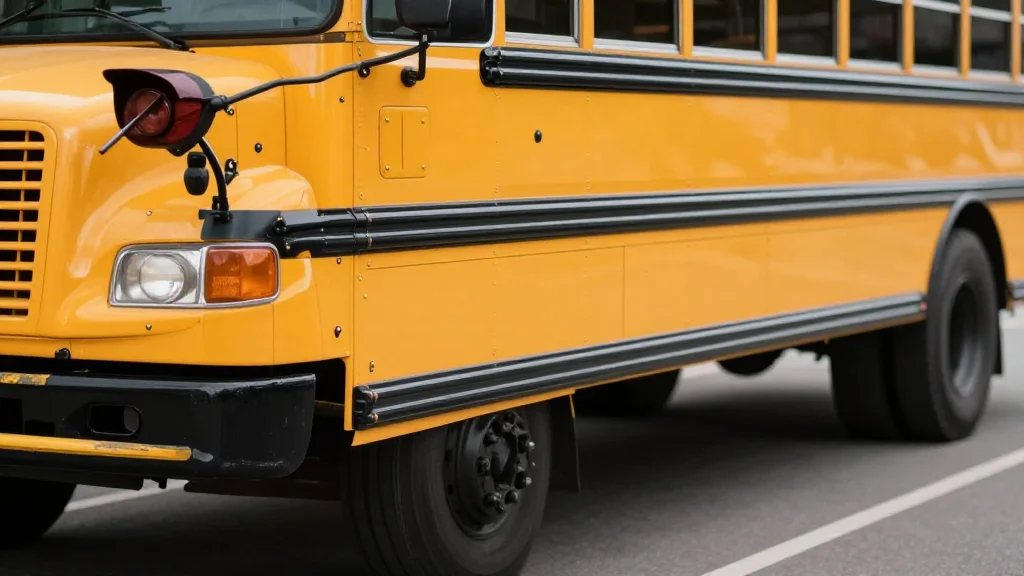
- •Yellow color improves visibility in daylight and low light
- •Black stripes indicate stop arm deployment zones
- •Reinforced body frames meet FMVSS 217 safety standards
- •Seating includes high-back, energy-absorbing cushions
- •Simple chassis allows easy maintenance and low operating costs
Pulse Analysis
The origins of the American school bus trace back to the early 1900s, when manufacturers repurposed truck chassis to ferry students. The decision to paint buses a vivid yellow emerged in the 1930s after research showed the hue offered the highest contrast against foliage and pavement, dramatically reducing collision risk. Over the decades, federal mandates such as FMVSS 217 have codified structural requirements, ensuring that the vehicle’s frame, doors, and windows can withstand impacts while protecting occupants.
Beyond color, the black longitudinal stripes running the length of the bus serve a critical safety function. Positioned to frame the stop‑arm mechanism, they draw drivers’ attention to the flashing red lights and extended arm that signal children crossing the road. Inside, seats are equipped with energy‑absorbing cushions and high backs, designed to limit head and torso injuries during sudden stops. The chassis remains deliberately simple—leaf springs, hydraulic brakes, and a robust steel box—allowing school districts to perform routine maintenance without specialized equipment, thereby keeping operating costs low.
Today, the industry faces a new wave of innovation as districts explore electric powertrains, telematics, and advanced driver‑assistance systems. While these technologies promise reduced emissions and enhanced route efficiency, they must integrate seamlessly with the time‑tested safety architecture that defines the school bus. Regulators are updating standards to accommodate battery placement and autonomous features, ensuring that the vehicle’s core mission—safe, reliable student transport—remains uncompromised. As schools balance budget constraints with sustainability goals, the enduring design principles of the school bus continue to guide future developments.
The history of school buses
Comments
Want to join the conversation?