Key Takeaways
- •Monsoon winds enabled predictable, long‑distance voyages centuries before Europe’s Age of Exploration
- •Islamic merchants introduced letters of credit, streamlining regional finance
- •Emporia such as Malacca hosted merchants speaking 84 languages, fostering cultural fusion
- •Portuguese cartaz system in the 1500s disrupted the traditional free‑trade zone
- •Dutch and British East India Companies later dismantled indigenous trade routes
Pulse Analysis
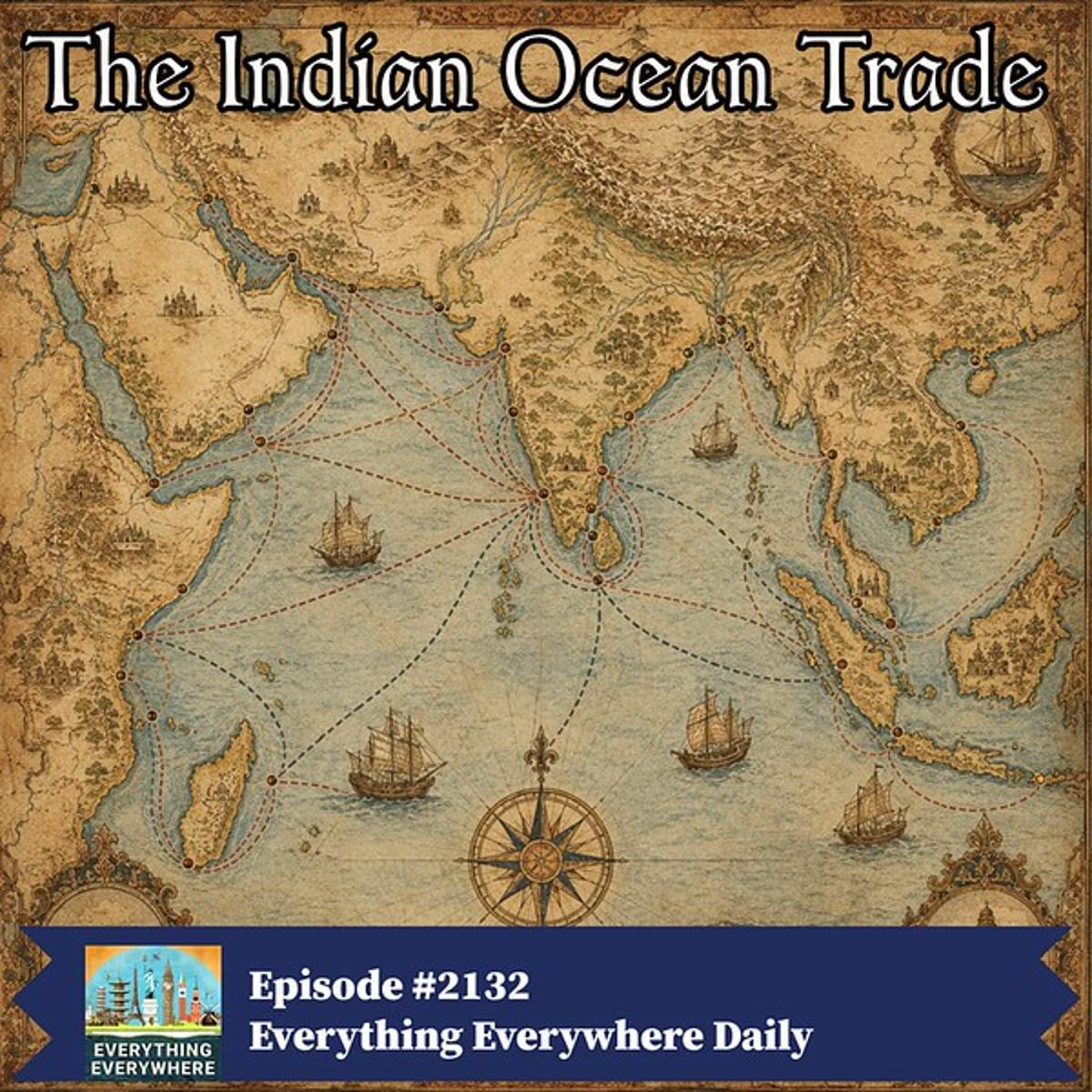
The Indian Ocean’s trade arteries predate the Silk Road’s fame, relying on a sophisticated grasp of seasonal monsoons that turned a vast sea into a reliable highway. Early societies—from Bronze‑Age Magan sailors to Austronesian navigators—leveraged simple yet effective vessels like dhows equipped with lateen sails, allowing them to harness winds that reversed twice yearly. This natural timetable created a de‑facto free‑trade zone where commodities such as Indian pepper, Southeast Asian spices, Chinese silk, and East African gold moved with remarkable regularity, laying the groundwork for early global commerce.
Cultural exchange flourished alongside goods. The spread of Islam in the 7th century injected a unified legal and financial framework, most notably letters of credit, which reduced transaction risk across distant ports. Emporia—coastal cities like Calicut, Zanzibar, and Malacca—evolved into bustling multicultural enclaves where merchants settled for months, learning local languages and customs. These hubs acted as crucibles for hybrid cultures, evident in the Swahili language’s blend of Bantu, Persian, and Arabic elements, and in the cosmopolitan fabric of Malacca, where travelers reportedly spoke 84 languages in a town of just 50,000.
The arrival of European powers shattered this equilibrium. Armed with advanced navigation from Sagres and superior firepower, the Portuguese imposed the cartaz licensing system, turning the ocean into a controlled trade corridor. Subsequent Dutch and British East India Companies leveraged corporate structures to dominate spice routes, effectively dismantling indigenous networks. While colonial rule reoriented profit flows toward Europe, the Indian Ocean’s legacy endures: modern shipping lanes, financial instruments, and cultural ties across the region trace their lineage to this ancient maritime world.
The Indian Ocean Trade
Comments
Want to join the conversation?