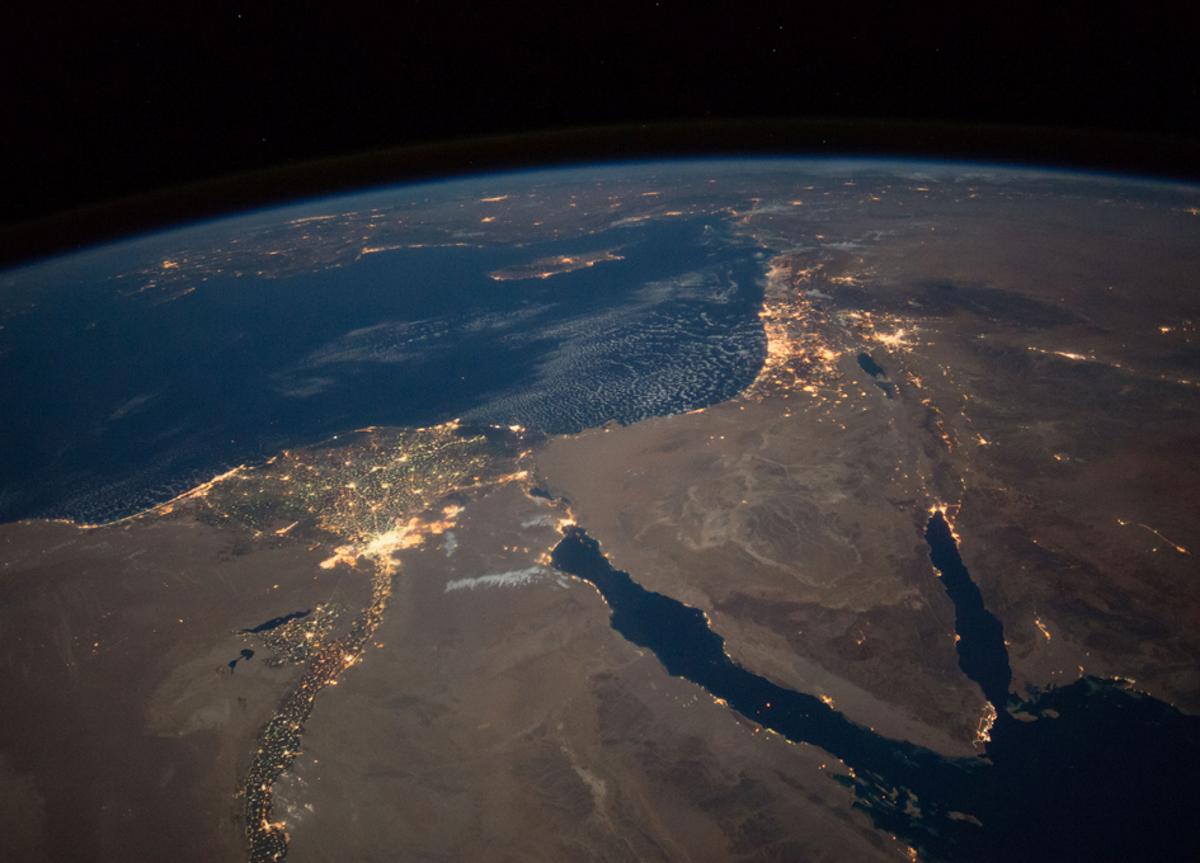
The Middle East’s Logistics Architecture in Structural Transition
Key Takeaways
- •Persian Gulf loses monopoly as new maritime corridors emerge
- •Red Sea ports gain market share for energy cargo
- •Overland rail links reduce transit times across Gulf region
- •Diversified routes lower geopolitical risk for global shippers
Pulse Analysis
The Middle East’s logistics architecture is moving beyond the historic Persian Gulf bottleneck, a change accelerated by geopolitical volatility and the quest for cost‑effective trade lanes. Shipping lines are increasingly routing containerized energy cargo through Red Sea hubs such as Jeddah and Aqaba, where expanded berths and digital port services cut turnaround times. Meanwhile, Saudi Arabia’s Vision 2030 infrastructure push, including the NEOM port and the Landbridge rail project, offers overland shortcuts that bypass traditional sea routes, appealing to carriers seeking speed and reliability.
Investors and logistics firms are watching the transition closely because it reshapes risk calculations across the supply chain. By spreading cargo across multiple corridors, shippers can mitigate disruptions from regional conflicts, chokepoints like the Strait of Hormuz, or sudden tariff changes. This multi‑modal flexibility also encourages competitive pricing, as ports vie for volume by offering incentives, advanced automation, and green‑energy initiatives. The resulting market dynamics are likely to drive down freight rates for certain lanes while prompting capacity upgrades in emerging hubs.
For the broader global economy, the diversification of Middle Eastern trade routes signals a more resilient and adaptable freight network. As Asian manufacturers, European retailers, and African importers adjust to new transit times and cost structures, the region could see a redistribution of logistics hubs, attracting foreign direct investment in port technology and hinterland connectivity. Ultimately, the shift away from a Gulf‑centric model may foster a more balanced, sustainable logistics ecosystem that supports the growing demand for energy and consumer goods worldwide.
The Middle East’s logistics architecture in structural transition
Comments
Want to join the conversation?