The RPA Publishes Bad Report Against Through-Running
Key Takeaways
- •RPA report claims through‑running reduces Penn Station capacity.
- •ETA modeling shows 2‑minute dwell times are achievable.
- •Vertical circulation, not platform length, is the main bottleneck.
- •European metros run 24‑30 trains per hour per track.
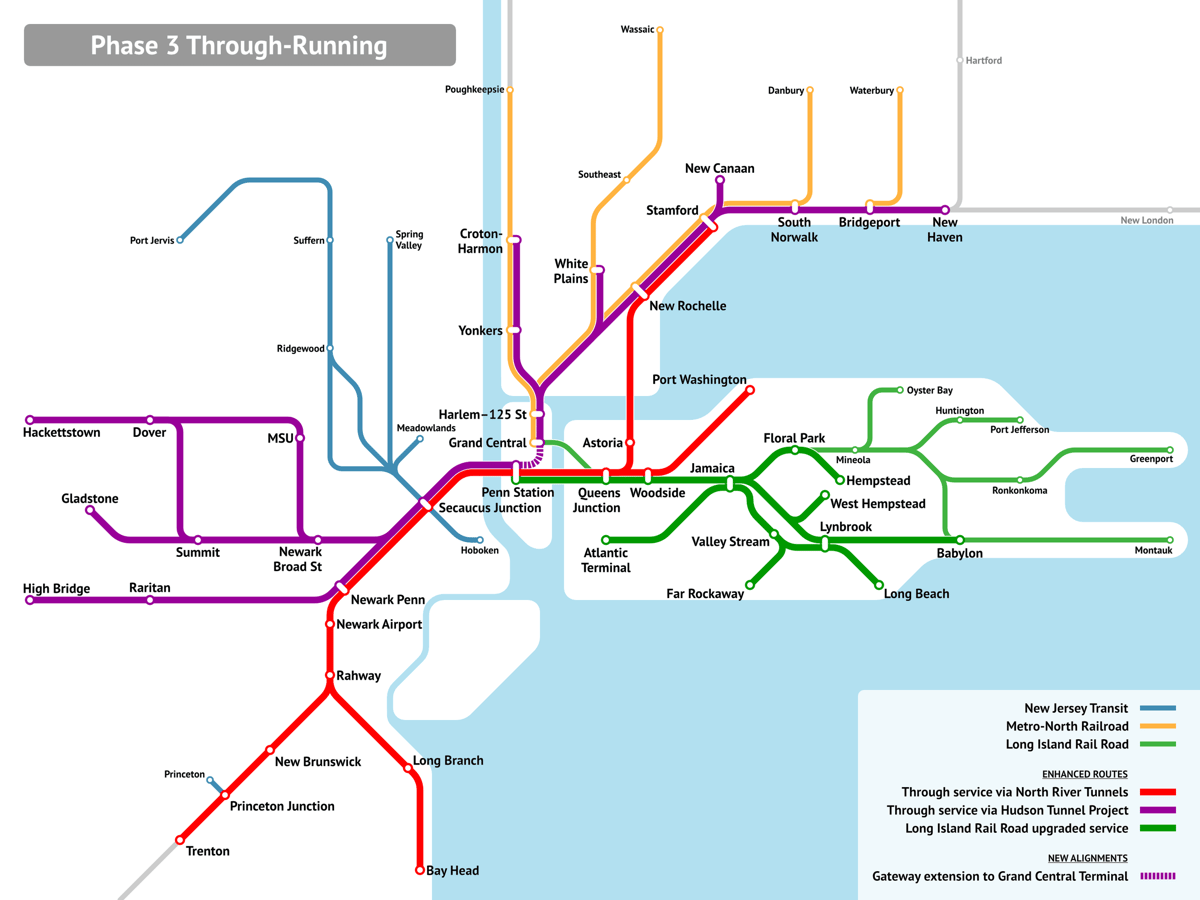
- •Through‑running could link NJ, Queens, and Long Island with one‑seat rides.
Pulse Analysis
The Regional Plan Association’s new study takes a hard line against through‑running at Penn Station, insisting that any capacity gains after the Hudson Tunnel Project will require a massive station expansion. The report’s argument rests on a seven‑minute dwell time assumption and adds extra minutes for schedule recovery and interlocking clearance, without citing any underlying model. This stance fuels a debate that could shape the allocation of the $17 billion Penn expansion budget and influence the design of New York’s next‑generation commuter rail network.
Contrasting the RPA’s view, the Effective Transit Alliance has published detailed simulations showing that trains can clear platforms in under three minutes, with the primary constraint being the narrow vertical‑circulation paths rather than the platform‑train interface. By applying realistic passenger‑flow data, the ETA model aligns with NFPA 130 safety standards and demonstrates that existing infrastructure can support 48 trains per hour across the Hudson Tunnel’s two tracks. European systems such as Munich’s S‑Bahn and Paris’s RER routinely achieve 24‑30 trains per hour per track, proving that high‑frequency through‑running is technically feasible even in dense urban cores.
The policy implications are significant. Accepting the through‑running model could unlock a seamless commuter corridor linking New Jersey, Queens, and Long Island, delivering one‑seat rides for thousands of riders and reducing the need for costly new platforms or concourse expansions. Decision‑makers must weigh the RPA’s expansion‑heavy narrative against data‑driven capacity analyses, as the choice will determine whether New York invests in new construction or optimizes its existing rail assets to meet future demand.
The RPA Publishes Bad Report Against Through-Running
Comments
Want to join the conversation?