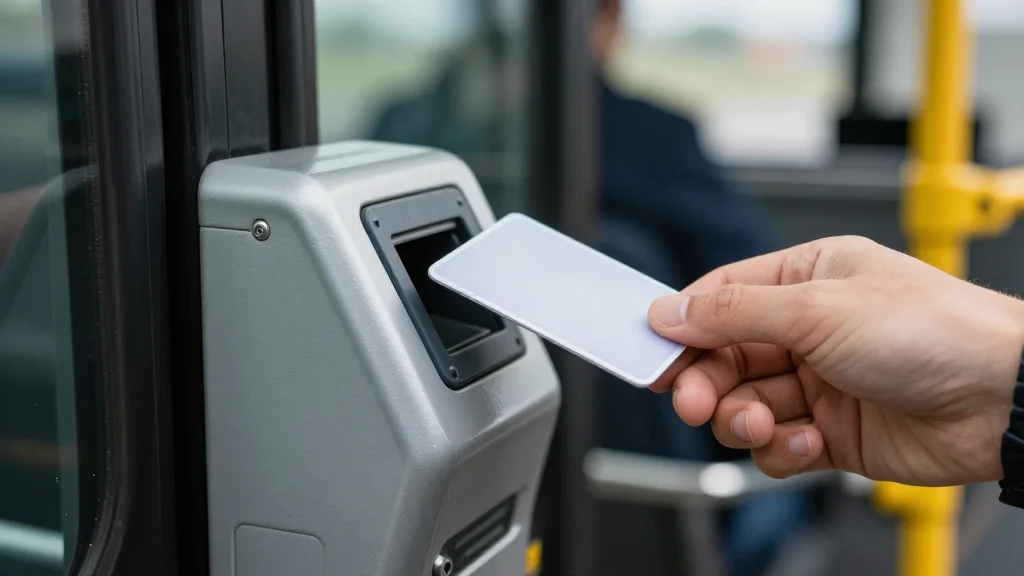
The Status of Fare Evasion in Washington State
Key Takeaways
- •Metro's systemwide non‑payment rate sits at 35% when youth are excluded
- •Sound Transit reports 63% boardings with valid fare media in 2025
- •Fare checks cover roughly 2.5% of riders, far below 10% target
- •Estimated fare‑evasion losses total $30 million annually for Sound Transit
Pulse Analysis
Proof‑of‑payment systems have become the backbone of many Washington transit services, offering faster boarding and lower capital costs compared with traditional turnstiles. The pandemic‑induced fare suspension highlighted both the flexibility and the vulnerabilities of this model. When agencies lifted the suspension, they faced a new reality: the Youth Ride Free mandate, which eliminates ID checks for riders 18 and under, creates a large pool of legally fare‑free passengers that blends indistinguishably with genuine fare evaders. This blurring forces agencies to rethink how they measure non‑payment and allocate enforcement resources.
King County Metro’s recent data illustrate the paradox. While internal estimates suggest a 35% non‑payment rate—excluding youth—the agency recorded zero citations in 2025 and reports a 3% evasion figure derived from fare‑check outcomes, not total boardings. Sound Transit’s experience is similarly complex: only 63% of boardings carried valid fare media in 2025, up from 56% in 2022, yet fare inspectors examined merely 2.5% of riders, far short of the 10% benchmark. The agency attributes a $30 million annual loss to evasion, a figure that dwarfs the $15 million loss reported five years earlier and underscores the fiscal stakes of accurate enforcement.
The broader implications extend beyond revenue. Agencies that do not track evasion—such as Community Transit, C‑TRAN, and Spokane Transit—miss opportunities to fine‑tune service levels and equity initiatives. Comparisons with gated systems like BART, which report higher evasion rates despite more stringent controls, suggest that enforcement intensity, not just fare‑gate presence, drives compliance. As Washington’s transit agencies grapple with expanding ridership and ambitious expansion projects, refining fare‑evasion metrics and aligning enforcement strategies with policy goals will be essential to sustain financial health and public trust.
The Status of Fare Evasion in Washington State
Comments
Want to join the conversation?