The Week Observed: April 17, 2026
Key Takeaways
- •IBR delays toll revenue study to June 2027, missing 2025 deadline
- •Projected toll revenue likely falls short of $1.25 billion target
- •Traffic forecasts cut in half, suggesting tolls must double
- •Portland leads U.S. metros in new manufacturing startups
- •Crime age curve flattens; peak arrests now over 30
Pulse Analysis
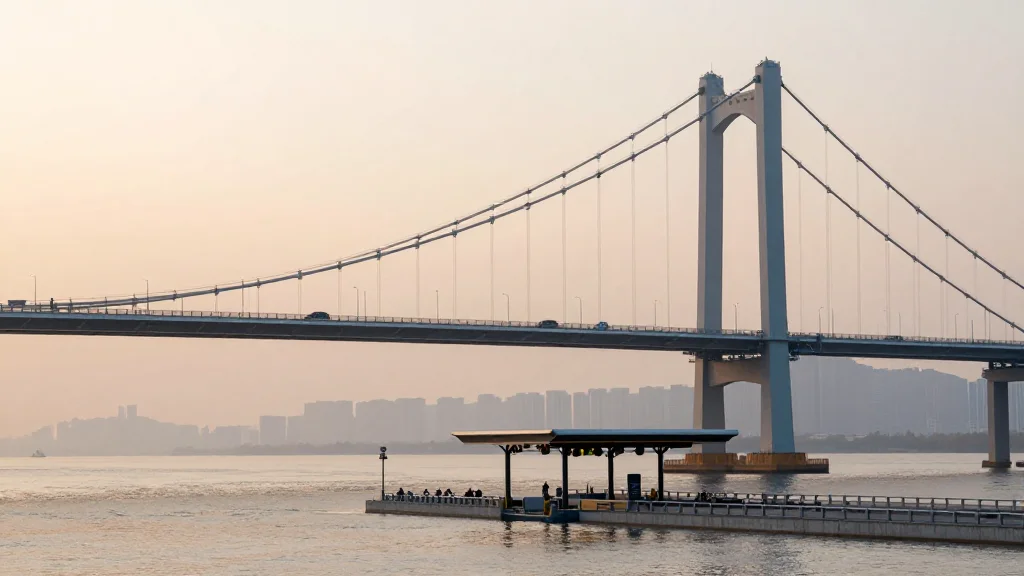
The Interstate Bridge Project, a $15 billion endeavor linking Oregon and Washington, is now facing a critical financing hurdle. The independent Investment Grade Analysis, originally slated for October 2025, has been postponed to June 2027, leaving a year‑long gap in revenue forecasts. Early drafts indicate traffic counts could be half of earlier estimates, echoing the 2013 Columbia River Crossing study that forced tolls to rise from $1.34 to $2.60. With 30‑year interest rates nearly doubled, lenders will demand higher toll guarantees, pushing the cost burden onto commuters and regional budgets.
Portland’s surge in manufacturing startups offers a counterpoint to the infrastructure strain. Over the past five years the metro area added 250 new firms beyond the national average, positioning it as the nation’s top region for early‑stage manufacturing. This growth fuels high‑skill job creation, attracts venture capital, and diversifies the local economy away from traditional service sectors. Analysts see the trend as a bellwether for broader U.S. manufacturing revitalization, especially as supply‑chain reshoring gains momentum.
At the same time, policymakers are revisiting affordable‑housing models, notably single‑room occupancy (SRO) units, to curb homelessness. Advocates argue that outdated zoning mandates inflate construction costs and eliminate viable low‑income options. Parallel research on crime shows the age‑crime curve has flattened, with peak aggravated‑assault arrests now occurring after age 30 rather than in the early twenties. This generational shift, combined with better housing access, could further depress crime rates and reshape public‑safety strategies. Together, these dynamics underscore the interconnected challenges of infrastructure financing, economic development, and social policy in the Pacific Northwest.
The Week Observed: April 17, 2026
Comments
Want to join the conversation?