Key Takeaways
- •$686 million DOT grant targets transit‑station accessibility upgrades
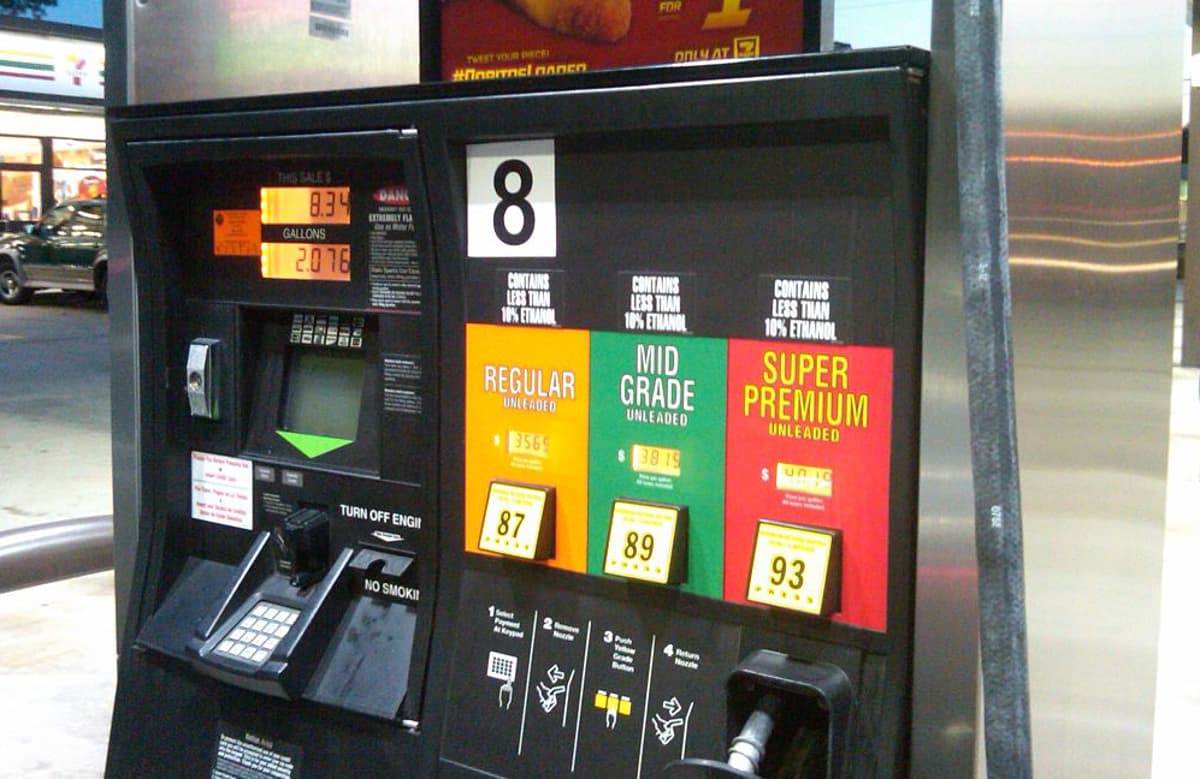
- •States' gas‑tax suspensions fail to lower pump prices for drivers
- •Autonomous vehicle firms hide remote‑driver intervention frequency, raising safety concerns
- •Arizona proposes splitting I‑11 project, sparking partisan funding debate
- •Maryland plans transit‑adjacent housing on state‑owned land
Pulse Analysis
Funding and policy shifts are redefining America’s transportation landscape. While the federal government has opened a $686 million grant program to modernize station accessibility, state experiments like Georgia’s temporary gas‑tax suspension have proven counterproductive—retailers often retain the tax rebate instead of passing savings to consumers, highlighting the need for more robust funding mechanisms. Meanwhile, local jurisdictions are leveraging transit‑oriented development to address housing shortages, as seen in Maryland’s plan to build homes on state‑owned land near rail hubs and South Jersey’s push for an 18‑mile light‑rail corridor, both of which aim to boost ridership and economic activity.
Safety remains a top priority as municipalities adopt aggressive enforcement and planning tools. Denver police have doubled speeding tickets in response to rising traffic fatalities, while Charlotte is revisiting dormant red‑light cameras to deter dangerous intersections. Raleigh’s decision to raise downtown parking rates, rather than eliminate free parking, reflects a nuanced approach to managing congestion and funding transit improvements. In Richmond, Vision Zero advocates continue to press for sustained, data‑driven interventions to finally curb the city’s crash numbers, underscoring the growing political will for road‑safety reforms.
Technology and urban design are also reshaping mobility expectations. Autonomous‑vehicle companies face scrutiny over the lack of transparency regarding remote‑driver interventions, a gap that could affect public trust and regulatory oversight. On the planning front, Vancouver’s new grid‑like bus network, praised by transit consultant Jarrett Walker, illustrates how route redesign can enhance service efficiency without massive capital outlays. Even unconventional projects, such as China’s one‑kilometer outdoor escalator, signal a broader global appetite for innovative vertical transport solutions. Together, these trends suggest that future transportation policy will balance substantial public investment, safety enforcement, and emerging tech to create more resilient, equitable urban mobility systems.
Thursday’s Headlines Are the Taxman
Comments
Want to join the conversation?