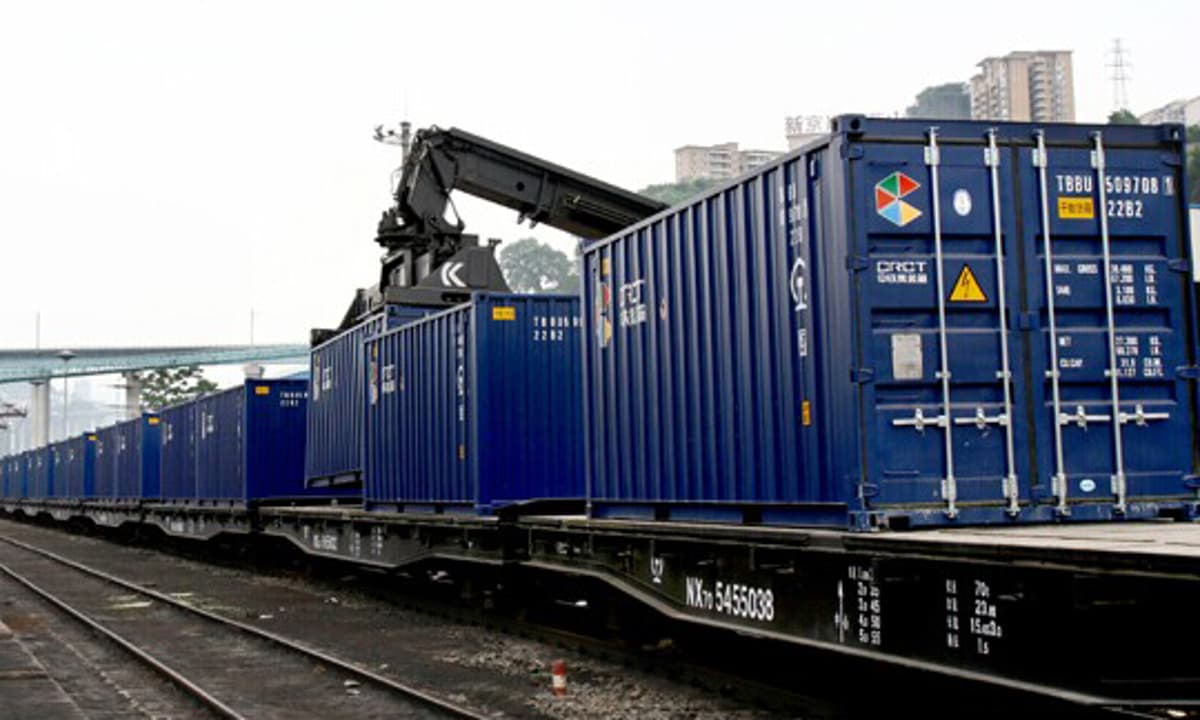
Tight Slot and Container Supply Pushes up China-Russia Rail Freight
Key Takeaways
- •Rail freight price hits $8,000 per FEU, double May level
- •Sea‑lane congestion forces shippers toward rail alternatives
- •Container lease rates in Shanghai‑Moscow climb to $2,100 max
- •Empty‑container shortage intensifies as Chinese exports to Russia rise
- •Elevated rail costs could compress margins for European importers
Pulse Analysis
The recent doubling of China‑Russia rail freight rates reflects a perfect storm of capacity constraints on the maritime corridor linking China to Europe and a lagging return of empty containers. As Chinese manufacturers boost shipments to the Russian market, the pool of available containers shrinks, prompting carriers to raise spot rates and lease fees. This dynamic has pushed the price per forty‑foot equivalent unit (FEU) to roughly $8,000, a level not seen since the early pandemic surge, and container rentals now hover between $1,800 and $2,100 on the Shanghai‑Moscow route.
For importers and exporters, the cost escalation translates into higher landed prices and tighter margins. Companies that previously relied on sea freight to move bulk goods are re‑evaluating rail as a viable alternative despite its premium, especially for time‑sensitive cargoes destined for inland markets. The shift also pressures logistics providers to secure additional rail slots and negotiate longer‑term lease contracts, potentially locking in higher rates for the foreseeable future. Meanwhile, European distributors may face increased inventory costs as they absorb the freight premium or pass it on to end customers.
Looking ahead, the market is likely to see a rebalancing as container manufacturers ramp up production and Chinese ports implement faster turnaround processes. If sea‑lane congestion eases, rail demand could moderate, bringing rates down. However, geopolitical factors and ongoing sanctions on Russia could sustain elevated rail usage, cementing its role in the Eurasian supply chain. Stakeholders should monitor container availability metrics and consider diversified multimodal strategies to mitigate cost volatility.
Tight slot and container supply pushes up China-Russia rail freight
Comments
Want to join the conversation?