Key Takeaways
- •Cities must adopt dynamic, data‑driven curb management to balance vehicles and pedestrians
- •Delayed road and bridge repairs are inflating U.S. infrastructure costs
- •BART proposes swapping 400 parking spots for 240 new housing units
- •MARTA overhauls bus routes for first time in 50 years, emphasizing frequency
- •Nashville residents demand safer streets after multiple pedestrian and cyclist deaths
Pulse Analysis
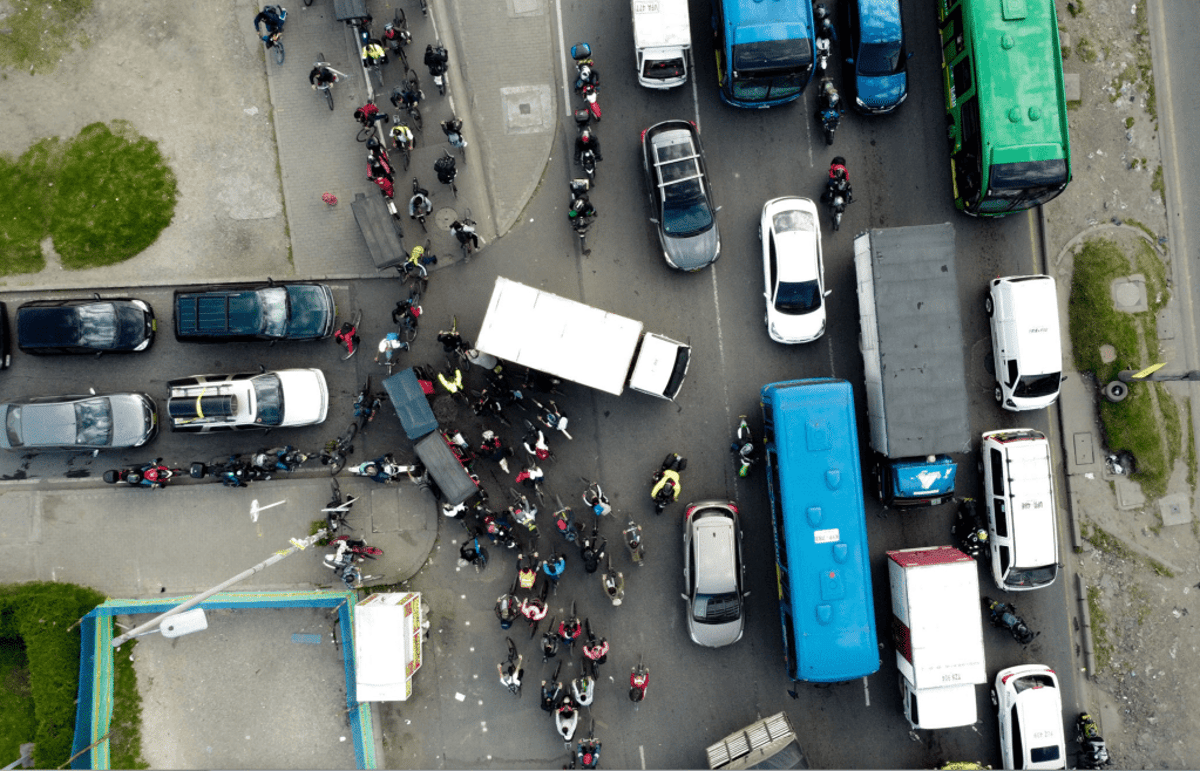
Dynamic curb management is emerging as a cornerstone of modern urban planning. Cities are leveraging real‑time data to allocate curb space for deliveries, ride‑hail services, and cyclists, while congestion pricing schemes aim to reduce emissions and fund transit upgrades. The emphasis on equity ensures that low‑income neighborhoods receive fair access to curb resources, preventing the displacement often seen in legacy parking‑centric policies.
At the same time, a deteriorating infrastructure portfolio is inflating costs nationwide. Delays in road and bridge repairs have forced agencies to explore creative financing, such as BART’s proposal to replace 400 surface parking spots with 240 housing units, a move that aligns transit‑oriented development with housing shortages. MARTA’s first bus network redesign in half a century prioritizes frequency on high‑demand corridors, echoing Seattle’s Shoreline model that integrates community hubs with rail access. These initiatives illustrate how transit agencies are rethinking asset utilization to stretch limited budgets.
Safety and event‑driven demand are also reshaping policy conversations. Nashville’s push for pedestrian‑friendly streets follows a spate of cyclist fatalities, while Sacramento’s one‑way streets raise questions about pedestrian risk in legacy designs. The upcoming NFL draft in Pittsburgh will stress‑test the city’s public‑transport capacity, highlighting the need for resilient, adaptable systems. Collectively, these trends underscore a broader industry pivot toward resilient, inclusive, and financially sustainable transportation networks.
Tuesday’s Headlines Curb Their Enthusiasm
Comments
Want to join the conversation?