Key Takeaways
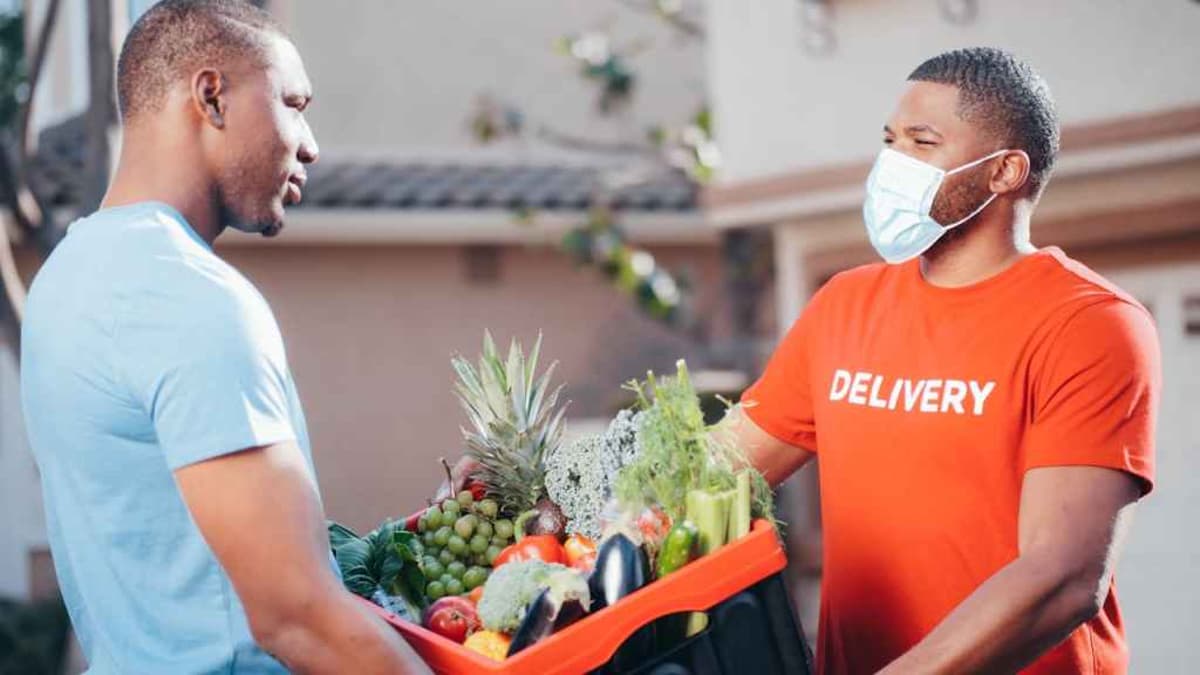
- •Transit funding cuts leave food‑desert residents reliant on costly delivery
- •Worker shortages threaten transit agency operations without wage and schedule reforms
- •Amtrak proposes onboard gun lockboxes after high‑profile security incident
- •California will ticket driverless cars like human‑driven vehicles
- •Massachusetts bill separates e‑bikes from motorcycles to protect pedestrians
Pulse Analysis
The erosion of federal transit subsidies is hitting America’s most vulnerable commuters hardest. In low‑income neighborhoods where car ownership is low, the loss of bus routes forces residents to turn to third‑party delivery apps, often at prices that exceed their grocery budgets. This dynamic not only inflates household expenses but also widens the gap between affluent suburbs and urban food deserts, underscoring the need for targeted public investment or innovative mobility solutions that can bridge the last‑mile gap.
Compounding the funding shortfall is a growing labor crisis within transit agencies. The American Public Transportation Association warns that without competitive wages, improved safety protocols, and flexible scheduling, recruitment and retention will continue to falter. A depleted workforce translates into reduced service frequency, longer wait times, and ultimately, a decline in ridership that further strains agency revenues. Cities that fail to address these workforce challenges risk a feedback loop where diminished service drives away riders, prompting additional budget cuts.
Policymakers are experimenting with regulatory tweaks to balance safety, technology, and equity. Amtrak’s consideration of gun lockboxes follows a high‑profile security breach, while California’s decision to issue tickets to autonomous vehicles places self‑driving cars under the same legal framework as traditional drivers. Meanwhile, Massachusetts is differentiating e‑bikes from motorcycles to protect pedestrians without stifling micro‑mobility growth. These moves reflect a broader trend: transportation authorities are adapting rules to manage emerging risks and opportunities, signaling that the next decade will see a more nuanced, safety‑first approach to both legacy and novel mobility modes.
Tuesday’s Headlines Need to Get Groceries
Comments
Want to join the conversation?