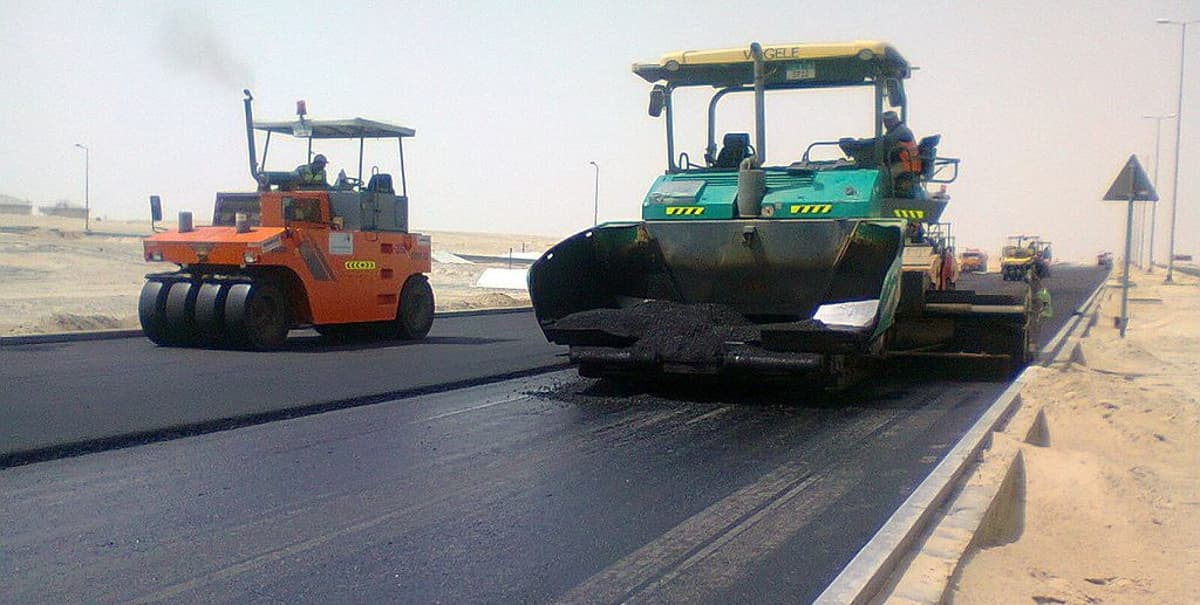
Tuesday’s Headlines Pay for Roads Whether We Use Them or Not
Key Takeaways
- •Road funding includes property, sales, and income taxes, not just fuel.
- •Over 900 transit agencies unite to safeguard bus funding in federal bill.
- •DOT's Pathways to Safer Streets aims to lower U.S. traffic fatalities.
- •Sacramento measure would raise $75 M annually, boosting sales tax to 9.25%.
- •Dubai expands Metro Gold Line 42 km, serving 1.5 M more residents.
Pulse Analysis
The prevailing belief that motorists solely shoulder road costs through fuel taxes is increasingly inaccurate. State and local governments now recognize that property, sales and income taxes fund the majority of transportation infrastructure, raising questions about fairness for non‑drivers. Some jurisdictions are experimenting with congestion pricing and mileage‑based fees to directly discourage excessive vehicle use, a trend that could reshape revenue streams and promote greener travel choices.
At the federal level, a coalition of more than 900 transit agencies is lobbying to lock in bus funding during the critical surface‑transportation reauthorization, underscoring the sector’s reliance on stable federal support. Complementing this effort, the DOT’s Pathways to Safer Streets program targets high‑risk corridors with engineering and enforcement measures to cut the nation’s traffic death toll. Meanwhile, cities like Seattle and Washington, D.C., are piloting dedicated bus lanes and advisory bike lanes, respectively, to improve reliability and safety without raising fares, illustrating how local innovations can complement national policy.
Internationally, the financing landscape is evolving as well. Sacramento’s proposed ballot measure would generate $75 million a year for road repairs, transit upgrades and pedestrian safety, albeit by nudging the sales tax to 9.25%. In the Middle East, Dubai’s 42‑kilometer Metro Gold Line extension will serve an additional 1.5 million residents, highlighting the appetite for large‑scale public‑transit investments abroad. Together, these developments signal a broader shift toward diversified funding, safety‑centric design, and cross‑border learning in the quest for sustainable mobility.
Tuesday’s Headlines Pay for Roads Whether We Use Them or Not
Comments
Want to join the conversation?