Uber’s Europe Strategy, FedEx Freight Flips the Script, Undersea Autonomy Accelerates
Key Takeaways
- •Uber partners with Autobrains, NVIDIA for Munich robotaxi pilot
- •Uber keeps strategy asset‑light, no German OEM on balance sheet
- •FedEx Freight declares 99.9% autonomy for yard‑to‑interstate trips
- •CEO frames regulation, not technology, as commercialization hurdle
- •AUKUS targets 2027 delivery of unmanned undersea vehicles
Pulse Analysis
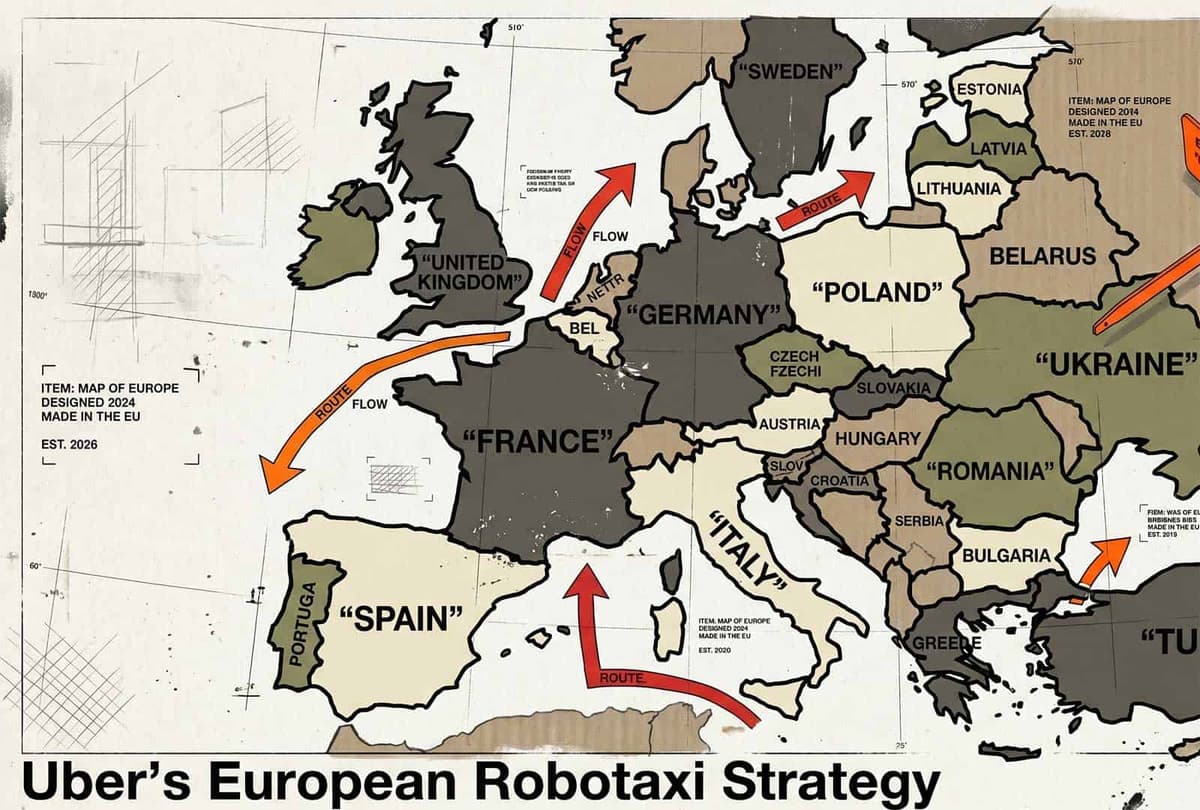
Uber’s European push reflects a maturing robotaxi playbook that leans on software and network effects rather than vehicle ownership. By teaming with Autobrains, a specialist in agentic AI, and NVIDIA’s DRIVE Hyperion platform, Uber can field Level 4 autonomous cabs in Munich while sidestepping the capital intensity of building its own fleet. The approach mirrors its U.S. strategy, positioning Uber as a mobility orchestrator that can quickly adapt to local regulatory climates and partner with OEMs such as Stellantis when needed.
FedEx Freight’s declaration of 99.9% autonomous capability for yard‑to‑interstate hauls marks a decisive narrative shift. Historically, the logistics sector has emphasized technical hurdles; now the conversation centers on obtaining permission to operate at scale. If regulators endorse these systems, carriers could dramatically cut labor costs, improve asset utilization, and offer faster, more reliable freight services. The move also pressures competitors to accelerate their own autonomous truck programs, potentially reshaping supply‑chain dynamics across North America and Europe.
The AUKUS undersea autonomy initiative signals a broader geopolitical trend: autonomous technology is a cornerstone of modern defense. By committing to unmanned underwater vehicles for reconnaissance, strike, and cable protection, the three nations aim to secure critical maritime infrastructure against increasingly sophisticated threats. The 2027 delivery target underscores an aggressive development timeline, but challenges remain in ensuring interoperability and reliability in contested deep‑sea environments. Success could spur further defense collaborations and accelerate civilian applications of autonomous marine systems, from scientific exploration to offshore energy maintenance.
Uber’s Europe Strategy, FedEx Freight Flips the Script, Undersea Autonomy Accelerates
Comments
Want to join the conversation?