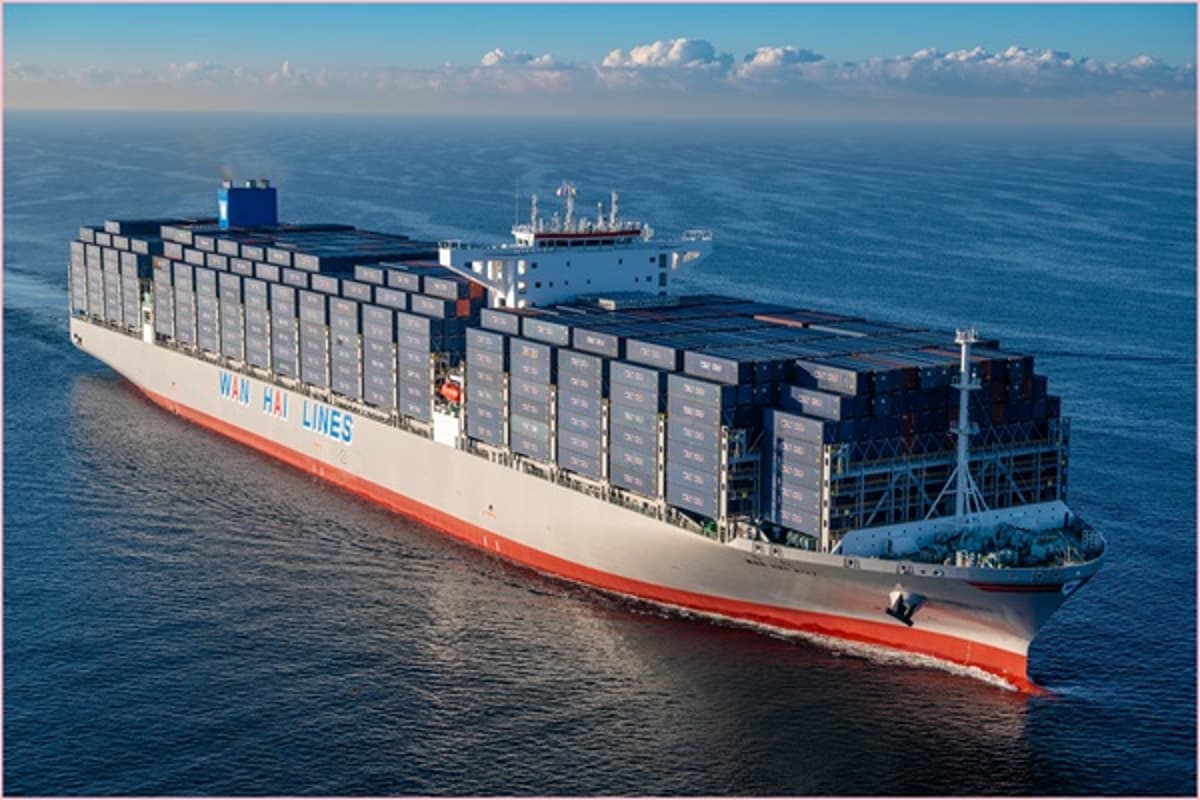
Wan Hai Revises JST Service Rotation
•March 1, 2026
0
Why It Matters
Removing under‑utilized ports streamlines operations and protects margins, signaling tighter capacity management in the competitive Far‑East container market.
Key Takeaways
- •Kobe removed from JST rotation.
- •Southbound Hong Kong call eliminated.
- •Four 1,700‑TEU vessels continue service.
- •Route now emphasizes Osaka, Taiwan, South China, Thailand.
- •Frequency remains unchanged despite port cuts.
Pulse Analysis
Wan Hai Lines’ latest rotation tweak underscores a broader industry trend toward leaner, demand‑driven schedules in the Far‑East. By excising Kobe—a port that has seen fluctuating container volumes—and the southbound Hong Kong call, the carrier trims transit times and reduces berth‑handling costs. The move aligns with recent data showing slower growth in Japanese inland ports while demand concentrates on high‑throughput hubs such as Osaka, Shanghai‑adjacent Nansha, and Taiwan’s major terminals. For shippers, the revised itinerary promises more predictable sailing windows and potentially lower freight rates as capacity is better matched to cargo flows.
The four vessels assigned to the JST service, each sized at 1,700 TEU, remain the backbone of Wan Hai’s regional presence. Maintaining the same fleet size while reshaping the port call list preserves service frequency, a critical factor for manufacturers relying on just‑in‑time deliveries across Japan, Taiwan, and Southeast Asia. Moreover, the continued inclusion of strategic nodes like Shenzhen’s Shekou and Thailand’s Laem Chabang ensures that the carrier retains access to key transshipment corridors, supporting diversified supply‑chain routes for electronics, automotive parts, and consumer goods.
Analysts view Wan Hai’s adjustment as a proactive response to evolving trade patterns and competitive pressure from larger alliances. By focusing on ports with higher cargo density, the line can improve vessel utilization rates and strengthen its cost structure without sacrificing market coverage. This strategic pruning may also set a precedent for other midsize carriers seeking to balance service reliability with profitability in a market where freight volatility and port congestion remain persistent challenges.
Wan Hai revises JST service rotation
0
Comments
Want to join the conversation?
Loading comments...