Wear Your Belongings to Avoid Baggage Fees and Mishandled Luggage?
Key Takeaways
- •Fuel price surge from Middle East conflict drives higher airline baggage fees
- •SCOTTeVEST offers clothing with built‑in pockets to avoid checked bags
- •Delta’s Sky Magazine rejected SCOTTeVEST ad, fearing loss of ancillary revenue
- •FlyerTalk members report mixed quality experiences with wearable luggage brands
- •User testing finds SCOTTeVEST uncomfortable when loaded, limiting practical adoption
Pulse Analysis
Airlines have been tightening their ancillary revenue streams as fuel costs surged after the Middle East conflict in early 2024. Higher jet‑fuel prices forced carriers to raise checked‑bag fees, often by $30‑$50 per piece, squeezing leisure and business travelers alike. Passengers, seeking to protect thin travel budgets, are turning to elite status programs, credit‑card perks, or creative workarounds to dodge these charges. The fee inflation has also sparked broader debate about the fairness of ancillary pricing and its impact on airline competitiveness.
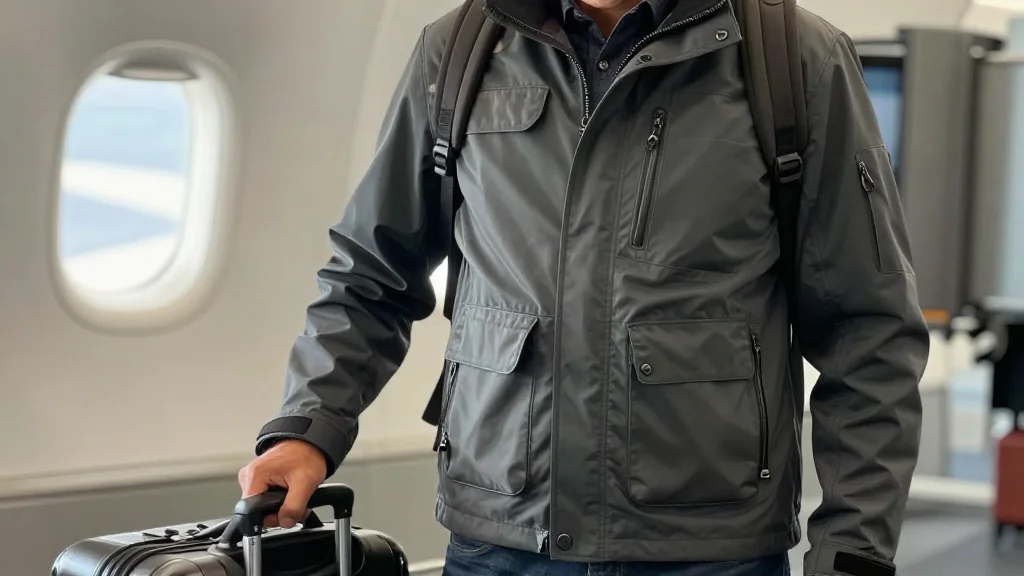
One of the most visible workarounds is wearable luggage, popularized by SCOTTeVEST, a company that integrates zippered pockets into jackets, vests and travel shirts. The brand’s 2010‑2011 push attracted attention on forums like FlyerTalk, where members praised the ability to keep phones, passports and small electronics on‑body, theoretically eliminating checked‑bag fees. However, Delta’s Sky Magazine reportedly rejected a SCOTTeVEST ad, citing concerns over lost ancillary revenue, highlighting the tension between airline profit models and consumer‑focused innovations. Smaller rivals such as Ecouterre have since faded.
Real‑world testing reveals mixed results. While the garments can store a day’s worth of essentials, users report overheating, restricted movement, and discomfort once the pockets are fully loaded. These ergonomic drawbacks limit mass adoption, especially on long‑haul flights where weight and temperature control are critical. As airlines continue to monetize baggage, the market may see refined designs—lighter fabrics, ventilation, and modular accessories—to address comfort gaps. Until then, most travelers will likely stick to the traditional carry‑on strategy, balancing fee avoidance with personal comfort.
Wear Your Belongings to Avoid Baggage Fees and Mishandled Luggage?
Comments
Want to join the conversation?