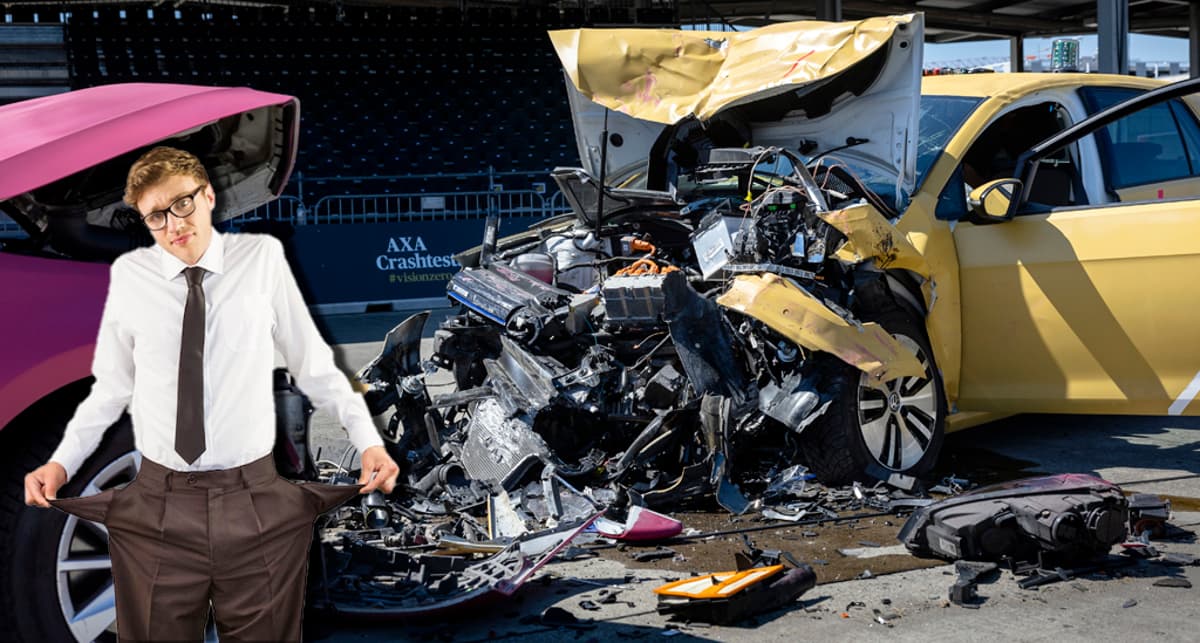
Wednesday’s Headlines Have Good News and Bad News
Key Takeaways
- •Traffic fatalities fell 6.7% to 36,640 deaths in 2025.
- •Pedestrian deaths dropped 11% H1 2025, still over 3,000 lives.
- •SUVs would rank as the world’s fifth‑largest CO₂ emitter.
- •Home Depot’s last‑mile delivery gap highlights unionization opportunity.
- •U.S. DOT allocates $600 million to rebuild Delaware River Bridge.
Pulse Analysis
The modest 6.7% decline in traffic deaths marks a positive trend for road safety, yet the absolute figure of 36,640 fatalities underscores a persistent public‑health challenge. Policymakers are weighing the economic ramifications—estimated at $40 billion for pedestrian fatalities alone—against the need for stricter enforcement of speed limits, improved vehicle safety technology, and expanded vision‑zero initiatives. As states grapple with these numbers, the focus is shifting toward protecting the most vulnerable road users, including pedestrians and cyclists, whose casualty rates remain disproportionately high.
Environmental considerations are gaining equal prominence. A recent analysis equates the global fleet of three‑row SUVs to the fifth‑largest CO₂‑emitting nation, highlighting how vehicle size directly inflates greenhouse‑gas outputs. Concurrently, a University of Utah study confirms that tighter tailpipe standards are delivering measurable air‑quality gains, while local projects such as Salt Lake City’s S‑Line streetcar demolition and Portland’s zero‑emissions curb pilot provide real‑world laboratories for sustainable mobility. These initiatives illustrate how cities can integrate climate goals with transit‑oriented development, reducing reliance on high‑emission vehicles.
Labor and infrastructure dynamics round out the transportation landscape. Home Depot’s struggle with last‑mile delivery illustrates the limits of automation and gig‑work, opening a window for organized labor to negotiate better conditions. Meanwhile, the U.S. Department of Transportation’s $600 million investment to replace the Delaware River Bridge signals continued federal commitment to critical corridors, though the absence of dedicated bike or pedestrian provisions raises equity concerns. In the broader picture, programs like Colorado’s Bustang bus service and the Atlanta Beltline’s affordable‑housing push demonstrate how transit can serve both economic mobility and community stability, reminding stakeholders that successful transportation policy must balance efficiency, sustainability, and social inclusion.
Wednesday’s Headlines Have Good News and Bad News
Comments
Want to join the conversation?