Key Takeaways
- •Existing Spokane Viaduct ramps can link West Seattle directly to SODO Busway
- •Bus‑only lanes would cut travel time and avoid costly Link extension
- •Incremental upgrades allow immediate service frequency boosts for West Seattle riders
- •Improves regional connectivity, benefiting commuters from Renton, Tacoma, and SeaTac
Pulse Analysis
Seattle’s transit agenda has been dominated by the ST3 package, which earmarks billions for light‑rail expansion, including a controversial West Seattle Link stub. While the rail line promises high‑capacity service, its projected 2039 completion and steep capital costs have left West Seattle residents with limited options. In the interim, the city’s growing population and dense employment centers demand a reliable, rapid connection to downtown and the broader regional network. Planners and advocates therefore argue that a bus‑centric strategy, built on existing infrastructure, can bridge the gap more pragmatically.
The proposed solution hinges on two underutilized assets: the eastbound ramp on the Spokane Street Viaduct and the SODO Busway’s dedicated lanes. Extending the viaduct ramp to intersect the busway, and adding a complementary southbound ramp, would create a continuous, signal‑priority corridor for buses traveling between West Seattle and the city core. Because the physical structures already exist, the incremental construction costs are modest compared with tunneling for light rail. Moreover, the phased nature of the upgrades—starting with lane extensions and later adding overpasses at Holgate and Lander streets—means service improvements could begin within a few years, delivering immediate frequency gains and reduced travel times.
Beyond speed and cost, the bus‑only corridor enhances equity across the Seattle metro area. Riders from South Seattle neighborhoods, as well as commuters from Renton, Kent, and Tacoma who rely on the SODO Busway, would retain protected travel lanes instead of being shifted to congested surface streets. By preserving and upgrading the busway, the plan safeguards a critical north‑south link, reduces transfers, and supports multimodal connections at SODO Station for Amtrak, Sounder, and future commuter rail. In a market where funding constraints tighten, this approach demonstrates how strategic, low‑cost infrastructure can yield outsized benefits, potentially reshaping how regional agencies prioritize projects.
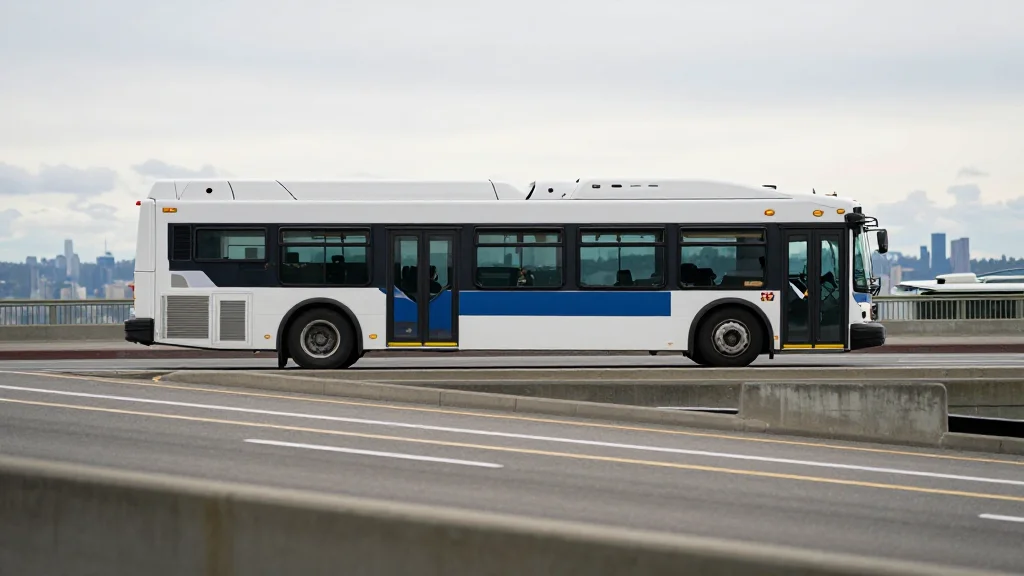
West Seattle / Downtown via SODO busway
Comments
Want to join the conversation?