What Happens if the Blockade Holds?
Key Takeaways
- •Hormuz Strait closed for three months, disrupting 20% of global oil flow
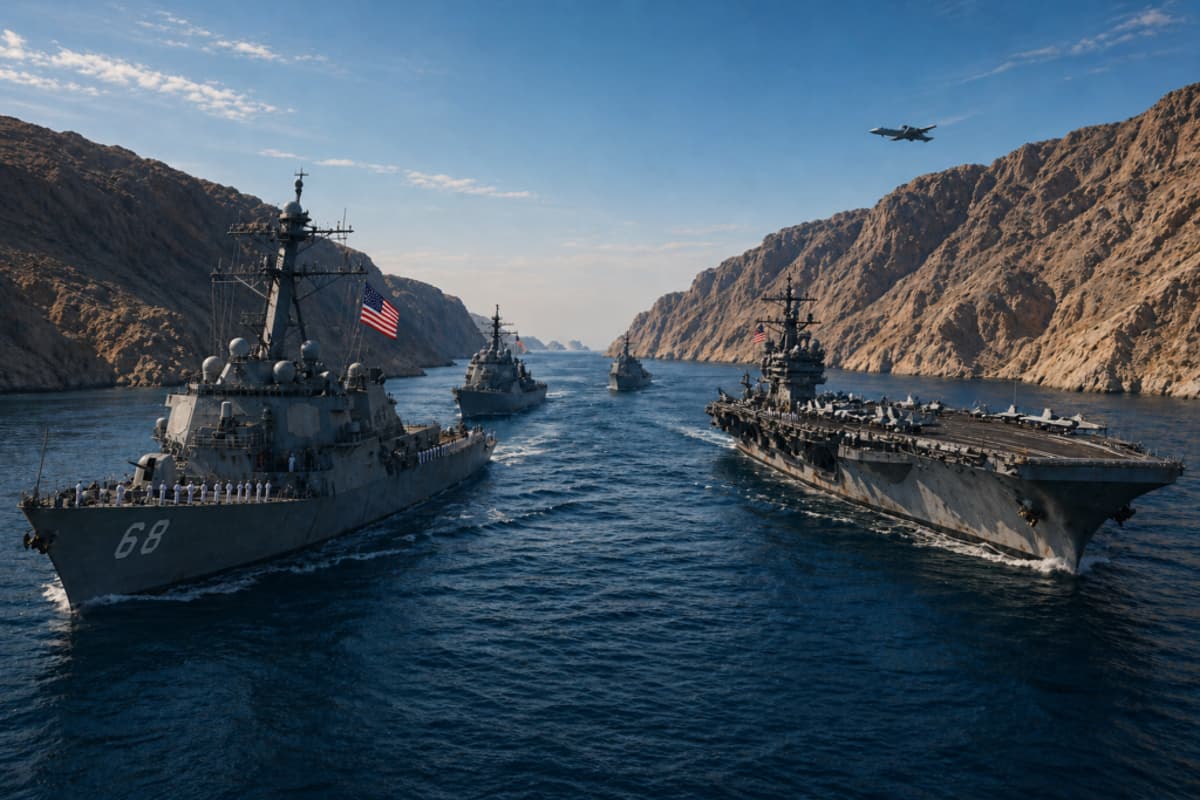
- •U.S. Navy positions assets for a potential months‑long blockade
- •Shipping reroutes to Cape of Good Hope, adding 10‑15 days per voyage
- •Freight rates for tankers and containers expected to surge 30‑40%
- •Energy markets may see $10‑$15 per barrel price spikes
Pulse Analysis
The Strait of Hormuz, a narrow waterway that funnels about 20% of global petroleum, has become a flashpoint in the ongoing geopolitical tug‑of‑war between Iran and the United States. Its closure three months ago marked the longest interruption in recent memory, prompting the U.S. Navy to deploy additional warships and surveillance assets to enforce a potential blockade. This strategic move underscores Washington’s intent to maintain pressure on Tehran while safeguarding the flow of energy commodities essential to the world economy.
For shippers, the immediate fallout is a scramble to reroute vessels around the Cape of Good Hope or through the Suez Canal, adding 10 to 15 days to transit times and raising fuel consumption dramatically. Tanker owners and container lines are already reporting freight rate spikes of 30‑40%, as the market absorbs the higher cost of longer voyages and limited vessel availability. The ripple effect extends to ports and logistics hubs that depend on just‑in‑time deliveries, forcing companies to reassess inventory buffers and consider alternative sourcing strategies.
Beyond logistics, the blockade threatens to tighten global energy markets, with Brent crude projected to climb $10‑$15 per barrel as supply constraints tighten. Higher oil prices feed through to manufacturing, transportation and ultimately consumer goods, amplifying inflationary pressures already felt in many economies. Analysts suggest that if the blockade endures, investors may see a shift toward alternative energy investments and a reevaluation of geopolitical risk premiums across commodities and equities. Companies that can adapt quickly—by diversifying routes, securing longer‑term freight contracts, or hedging energy exposure—will be better positioned to weather the structural disruption.
What happens if the blockade holds?
Comments
Want to join the conversation?