What if a US-Iran ‘Joint Venture’ Emerges: Four Trajectories for Global Shipping
Key Takeaways
- •Toll collection could add $1‑$2 per barrel to oil transport costs
- •Longer detours may increase transit times by up to three days
- •Insurance premiums could rise sharply amid heightened geopolitical risk
- •Container carriers may diversify routes to mitigate potential bottlenecks
Pulse Analysis
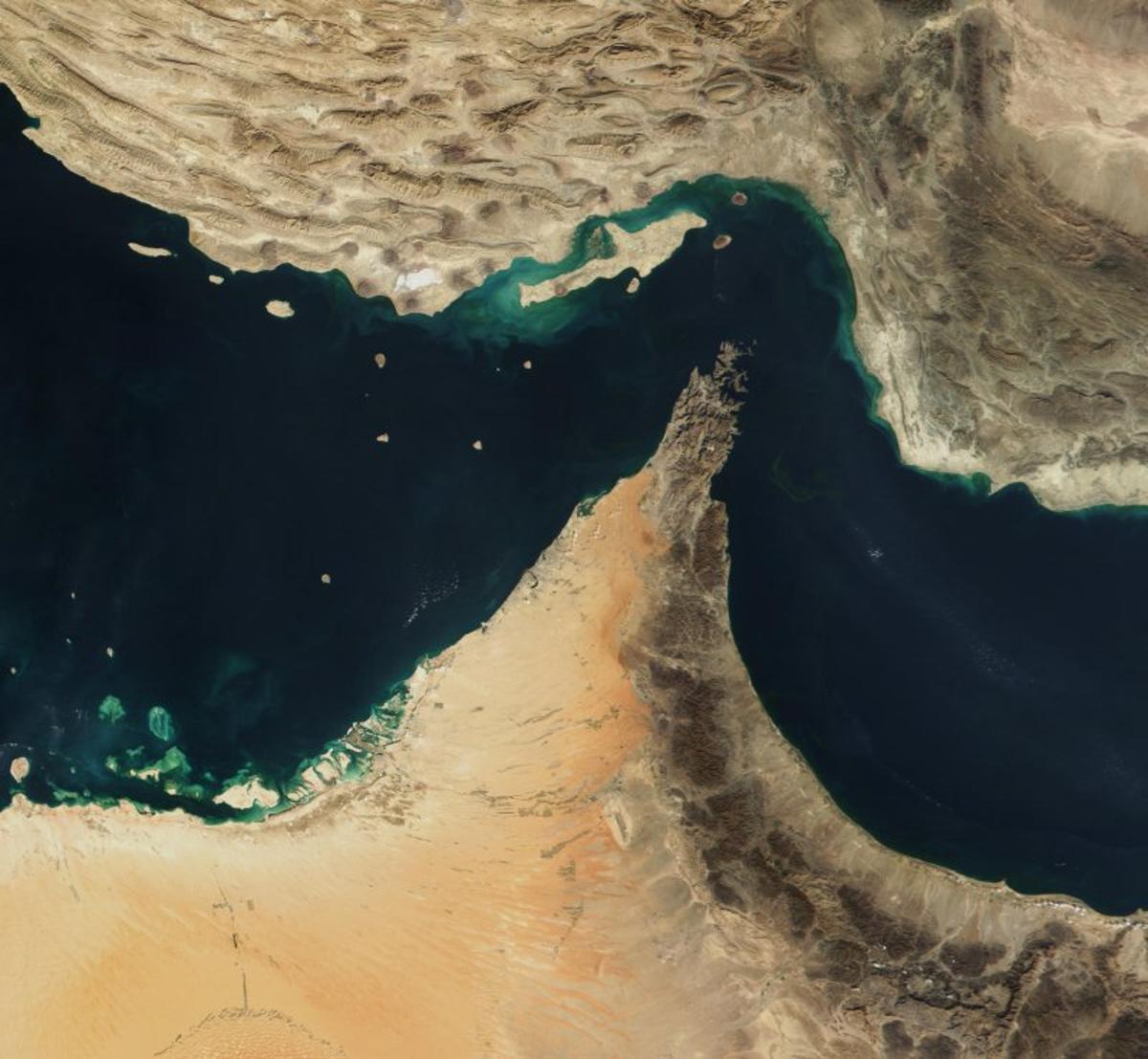
The prospect of a U.S.-Iran joint venture on the Strait of Hormuz, even as a rhetorical experiment, forces the maritime industry to confront a new variable in an already volatile trade corridor. The Hormuz Strait handles roughly 20% of global oil shipments and a significant share of container traffic linking Asia to Europe and the Americas. Introducing a toll system would directly raise operating expenses for tankers and carriers, prompting a ripple effect across freight rates, commodity pricing, and downstream logistics. Stakeholders would need to model the incremental cost per barrel and per TEU, factoring in the likelihood of toll adjustments tied to geopolitical developments.
Four trajectories outlined by industry analysts illustrate the range of outcomes. A formalized toll regime would institutionalize revenue sharing, potentially stabilizing the region’s fiscal outlook but also embedding a predictable cost layer for shippers. A limited, ad‑hoc arrangement might see intermittent fees, creating uncertainty that could deter investment in Hormuz‑centric routes. Conversely, a de‑escalation scenario could preserve the status quo, reinforcing free‑flow principles that underpin current supply‑chain designs. The most disruptive path—escalating tensions—would push vessels toward alternative passages such as the Cape of Good Hope or the Suez Canal, inflating fuel consumption, emissions, and insurance premiums.
For ship owners, charterers, and insurers, the key is agility. Scenario planning, dynamic pricing tools, and diversified routing strategies become essential to mitigate cost volatility. Moreover, the conversation highlights the broader strategic leverage that maritime chokepoints hold in global economics. Even speculative policy signals can reshape market expectations, prompting firms to reassess risk buffers, contractual clauses, and long‑term fleet deployment decisions. Staying ahead of such geopolitical shifts is now a competitive imperative for the shipping sector.
What if a US-Iran ‘Joint Venture’ emerges: Four trajectories for global shipping
Comments
Want to join the conversation?