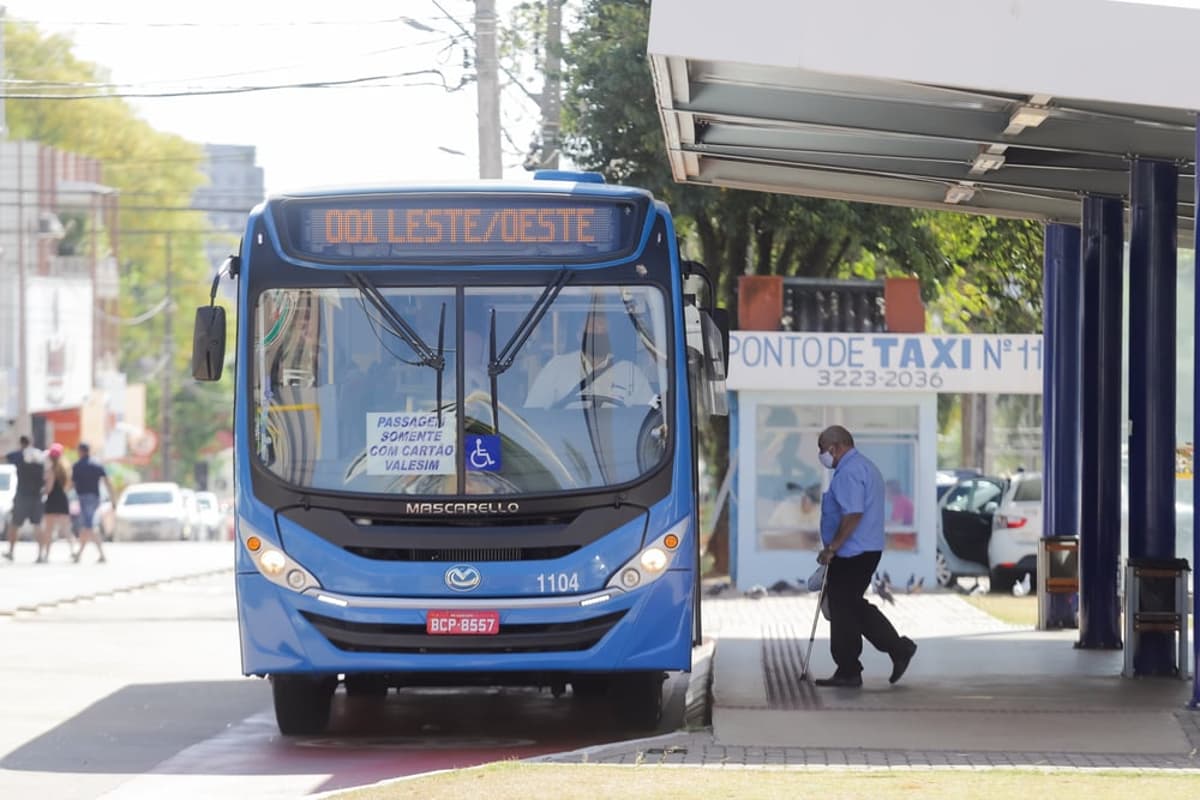
What Makes Good Public Transport? Three Qualities Every City Needs
•March 4, 2026
0
Key Takeaways
- •Reliable transit cuts congestion and boosts economic productivity.
- •Zero‑emission fleets lower greenhouse gases and improve air quality.
- •Universal accessibility ensures equity for low‑income and disabled riders.
- •Performance contracts align operators with service reliability and sustainability goals.
- •Innovative financing fuels electrification and modern station upgrades.
Summary
Public transport is a cornerstone of urban sustainability, and the Institute for Transportation and Development Policy (ITDP) outlines three essential qualities—Good Service, Zero Emissions, and Accessibility—that distinguish high‑performing systems. Reliable, clean, and inclusive transit not only moves people but also drives economic growth, reduces emissions, and promotes social equity. The article argues that embedding these pillars into city planning is critical for resilient, low‑carbon urban development. By meeting these standards, cities can address climate challenges while expanding opportunities for all residents.
Pulse Analysis
Cities that prioritize high‑quality public transport gain a strategic advantage in the race toward sustainable growth. Reliable, low‑emission transit reduces congestion, cuts greenhouse‑gas emissions, and expands labor market access, directly boosting productivity. Moreover, well‑designed networks lower air‑pollution hotspots, improving public health outcomes and easing municipal healthcare costs. As urban populations swell, the pressure on road infrastructure intensifies, making efficient mass‑transit not just a convenience but a necessity for resilient, low‑carbon economies. Investments in rail, bus rapid transit, and integrated ticketing further amplify these benefits, creating a virtuous cycle of ridership growth and environmental gains.
The Institute for Transportation and Development Policy identifies three pillars—Good Service, Zero Emissions, and Universal Accessibility—that distinguish transformative systems from mere conveyance. Good Service hinges on frequency, punctuality, and real‑time information, ensuring passengers can rely on transit for daily activities. Zero Emissions demands electrified fleets, renewable‑powered infrastructure, and rigorous maintenance to eliminate tailpipe pollutants. Accessibility extends beyond wheelchair ramps; it includes affordable fares, multilingual signage, and seamless connections across modes, guaranteeing that low‑income residents, seniors, and people with disabilities can participate fully in urban life.
Policymakers must translate these principles into concrete funding and regulatory frameworks. Public‑private partnerships, dedicated congestion‑pricing revenues, and climate‑bond financing can underwrite the capital costs of electric buses and upgraded stations. Simultaneously, performance‑based contracts incentivize operators to meet service reliability targets while maintaining low emissions. Cities that embed these quality standards into master plans attract talent, stimulate tourism, and meet international climate commitments, positioning themselves as livable, future‑ready hubs. As technology evolves, continuous data‑driven monitoring will be essential to refine service levels and ensure equitable access for all residents.
Comments
Want to join the conversation?