Why Freight Rates Are Finally Heating Up
Key Takeaways
- •Spot-market freight rates up 10% for reefers by year‑end
- •Federal enforcement cuts driver pool, tightening capacity
- •Excess capacity exits after 2021 oversupply, restoring equilibrium
- •Small fleets face higher costs despite rate gains, need data‑driven management
Pulse Analysis
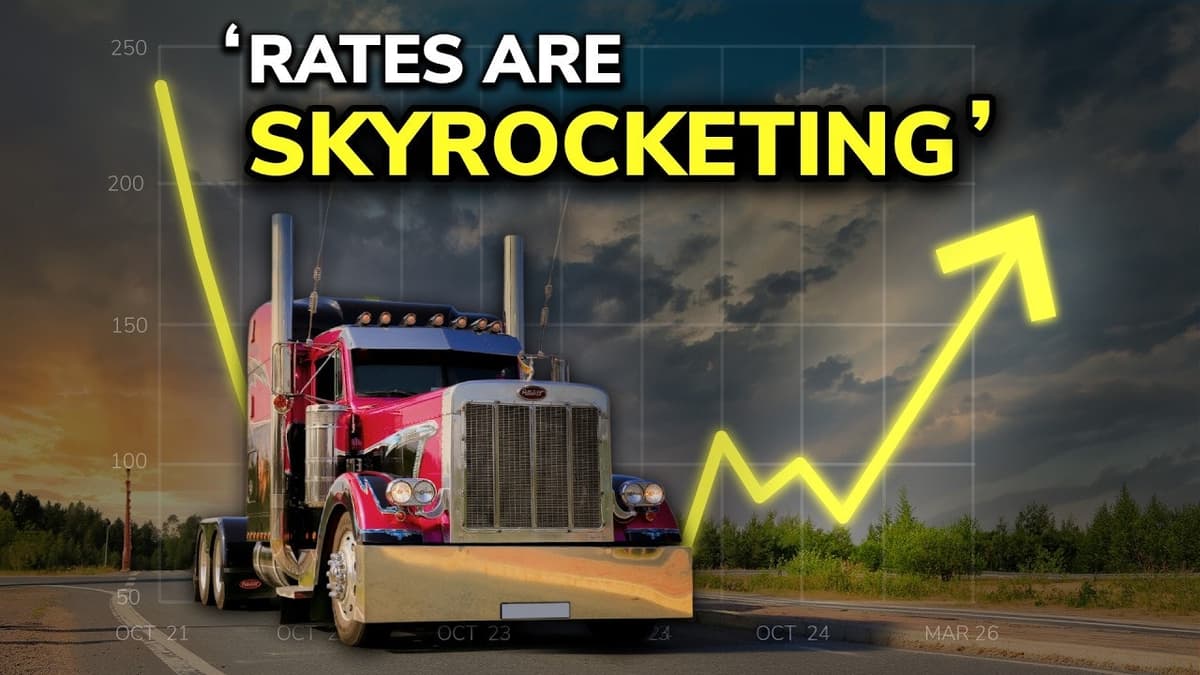
The trucking industry’s rate surge in 2026 reflects a market finally emerging from the four‑year "economic flatline" that followed the 2021 "gold rush" of freight. Back then, a record 240 loads per truck flooded the spot market, prompting a wave of new carriers and an unsustainable oversupply. As those excess trucks retire or exit, the balance of supply and demand is tilting back toward equilibrium, allowing spot rates—especially for temperature‑controlled loads—to climb. Analysts at ATBS note that refrigerated freight could see double‑digit gains by year‑end, a stark contrast to the modest single‑digit expectations earlier in the year.
Compounding the natural correction is a coordinated federal crackdown on trucking compliance. New English‑proficiency standards, the effective end of CDL renewals for many non‑citizens, aggressive audits of fraudulent electronic logging devices, and actions against CDL mills are collectively shrinking the driver pool. This regulatory pressure accelerates capacity reduction, turning a gradual market adjustment into a more rapid tightening of available trucks. The result is a classic supply‑demand squeeze that pushes rates upward, but also raises operational costs as carriers invest in compliant equipment and training.
For owner‑operators and small fleets, the rising rates are a double‑edged sword. While higher freight prices improve top‑line revenue, escalating equipment expenses, fuel price volatility, and increased tax burdens erode margins. Hosted advises operators to adopt a weekly, data‑driven approach to track costs versus revenue, enabling quick adjustments to stay profitable. In this emerging high‑cost environment, firms that leverage real‑time analytics and maintain tight cost controls will be best positioned to thrive as the market steadies after years of turbulence.
Why freight rates are finally heating up
Comments
Want to join the conversation?