Zembo Motorcycles Raises $1M From Dutch Development Bank FMO
Participants
Why It Matters
BYD’s dominance reshapes African mobility pricing and supply chains, while Tesla’s Moroccan foothold creates a new production gateway to Europe, intensifying competition and accelerating EV adoption across the continent.
Key Takeaways
- •BYD holds 35% of Africa EV market, up from 4% in 2023
- •Tesla entered Morocco, targeting the continent’s emerging EV hub
- •Morocco aims to produce 600k vehicles in 2025, becoming EV manufacturing centre
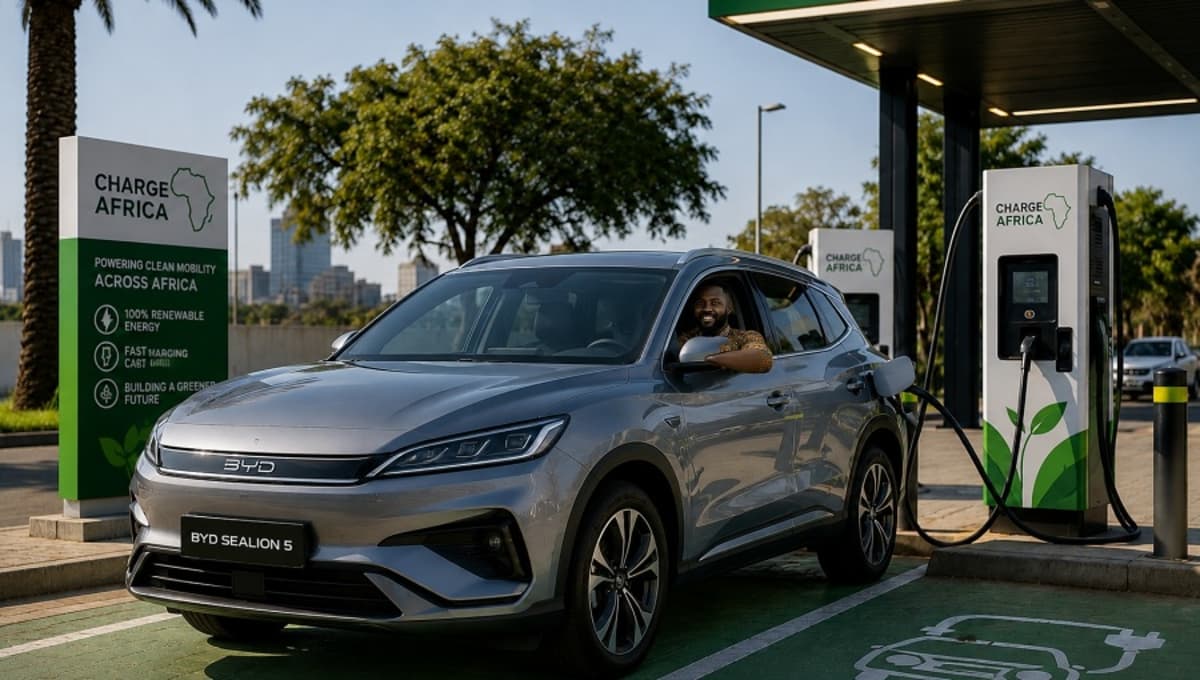
- •BYD plans 200‑300 fast chargers and 35 SA dealerships by Q1 2026
- •Electric two‑wheelers hit 55k combined sales in Uganda and Kenya 2025
Pulse Analysis
The African electric‑vehicle market is moving from a niche segment to a mainstream growth story, propelled by soaring oil prices and expanding middle‑class demand. The International Energy Agency’s Global EV Outlook 2026 shows continent‑wide sales climbing from roughly 4,000 units in 2023 to 25,000 in 2025, with Chinese manufacturers now supplying more than 80% of those vehicles. BYD’s leap to a 35% market share illustrates how aggressive pricing and a focused dealership rollout can capture price‑sensitive buyers in Egypt, South Africa and beyond. The company’s goal of 1.3 million overseas units in 2026 underscores China’s broader strategy to dominate emerging‑market EV sales.
Tesla’s February launch in Morocco signals a strategic pivot toward North Africa’s burgeoning auto ecosystem. The kingdom produced 559,645 vehicles in 2024 and is projected to exceed 600,000 units in 2025, supported by tax breaks, reduced import duties and a near‑kilometer network of public chargers. Its proximity to Europe shortens supply‑chain routes and lowers freight costs, giving Tesla a logistical edge over South Africa’s declining output. By establishing a local showroom and showcasing Model 3 and Model Y, Tesla not only competes with BYD on price but also leverages Morocco’s ambition to become the continent’s EV manufacturing hub.
Beyond passenger cars, electric two‑ and three‑wheelers are reshaping mobility in East Africa. Uganda and Kenya together sold about 55,000 electric 2Ws in 2025, driven by affordable battery‑swapping schemes and financing platforms such as Kenya‑based Spiro. These vehicles dominate ride‑hailing and delivery fleets where cost efficiency is paramount. However, the transition faces headwinds from Africa’s reliance on imported used cars, which obscure true EV adoption rates and dilute new‑vehicle incentives. Policymakers are responding with VAT exemptions and assembly incentives, while local players like Morocco’s Neo Motors launch home‑grown EVs, suggesting a gradual shift toward indigenous production and a more transparent market.
Deal Summary
Kenyan electric motorcycle maker Zembo Motorcycles secured $1 million in funding from the Dutch development bank FMO to acquire batteries and chargers for its expanding fleet. The financing supports the company's growth in East Africa's fast‑growing electric two‑wheel market. The deal was announced as part of broader EV adoption efforts across the continent.
Comments
Want to join the conversation?
Loading comments...