Key Takeaways
- •2 Line ridership exceeds early expectations
- •Trains often full at Westlake, Capitol Hill
- •Side‑shaking (hunting) reported on several segments
- •1 Line remains crowded despite new 2 Line service
- •Off‑peak Eastside service sometimes stretches to 15 minutes
Pulse Analysis
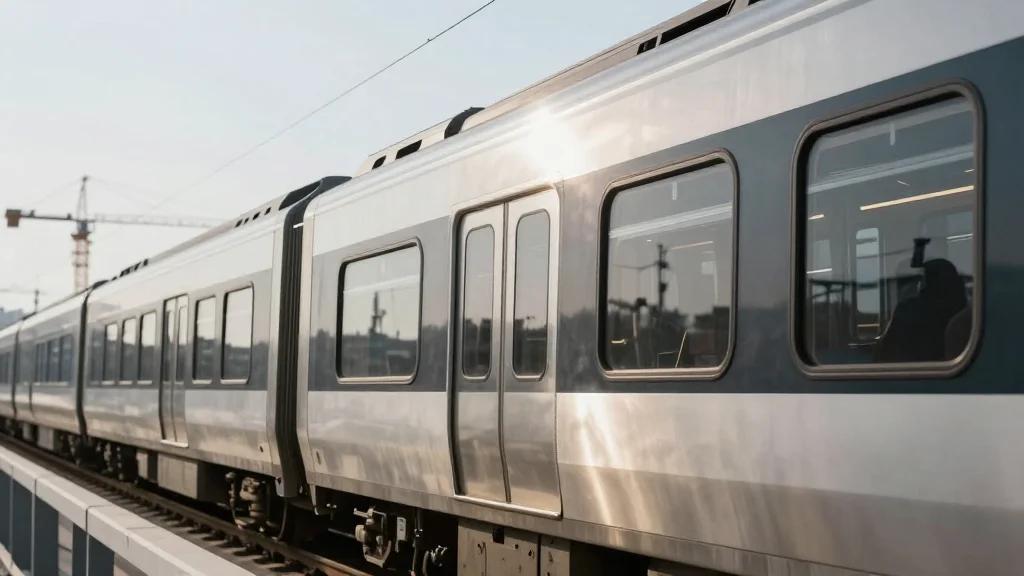
Seattle’s newest light‑rail corridor, the 2 Line, has quickly become a backbone of the region’s transit network. Early data shows roughly 205,000 boardings on opening day, with daily loads surpassing forecasts on both the Eastside and north‑Seattle branches. The concentration of passengers at key transfer hubs such as Westlake and Capitol Hill has pushed many trains to standing‑room‑only status, especially during midday peaks. This unexpected demand suggests that the combined 1 / 2 Line service is not merely redistributing riders but expanding the overall market for rail transit, a trend that could reshape commuting patterns across the Puget Sound area.
Operationally, the system is still ironing out kinks. Riders have reported side‑shaking, known in rail terminology as hunting, on several track sections, a phenomenon typically linked to wheel‑rail dynamics and track geometry. Early slow zones have been addressed, yet the current deployment of two‑car trains—short of the intended four‑car sets—limits capacity and exacerbates crowding. Frequency remains strong, with combined 1 / 2 Line headways often under five minutes in central corridors, but off‑peak intervals on the Eastside can stretch to 15 minutes, prompting concerns about service reliability during quieter periods.
The broader implications for Seattle’s transit agenda are significant. The high ridership validates the substantial public investment in the 2 Line and bolsters arguments for accelerating future extensions, such as the planned 3 Line to West Seattle and the Northgate Link expansion. However, the operational challenges underscore the necessity of scaling train lengths, enhancing track maintenance, and refining signaling to mitigate hunting. Policymakers and Sound Transit officials must balance immediate capacity upgrades with long‑term network resilience, ensuring that the system can accommodate growth without compromising rider experience.
1 & 2 Line Experiences
Comments
Want to join the conversation?