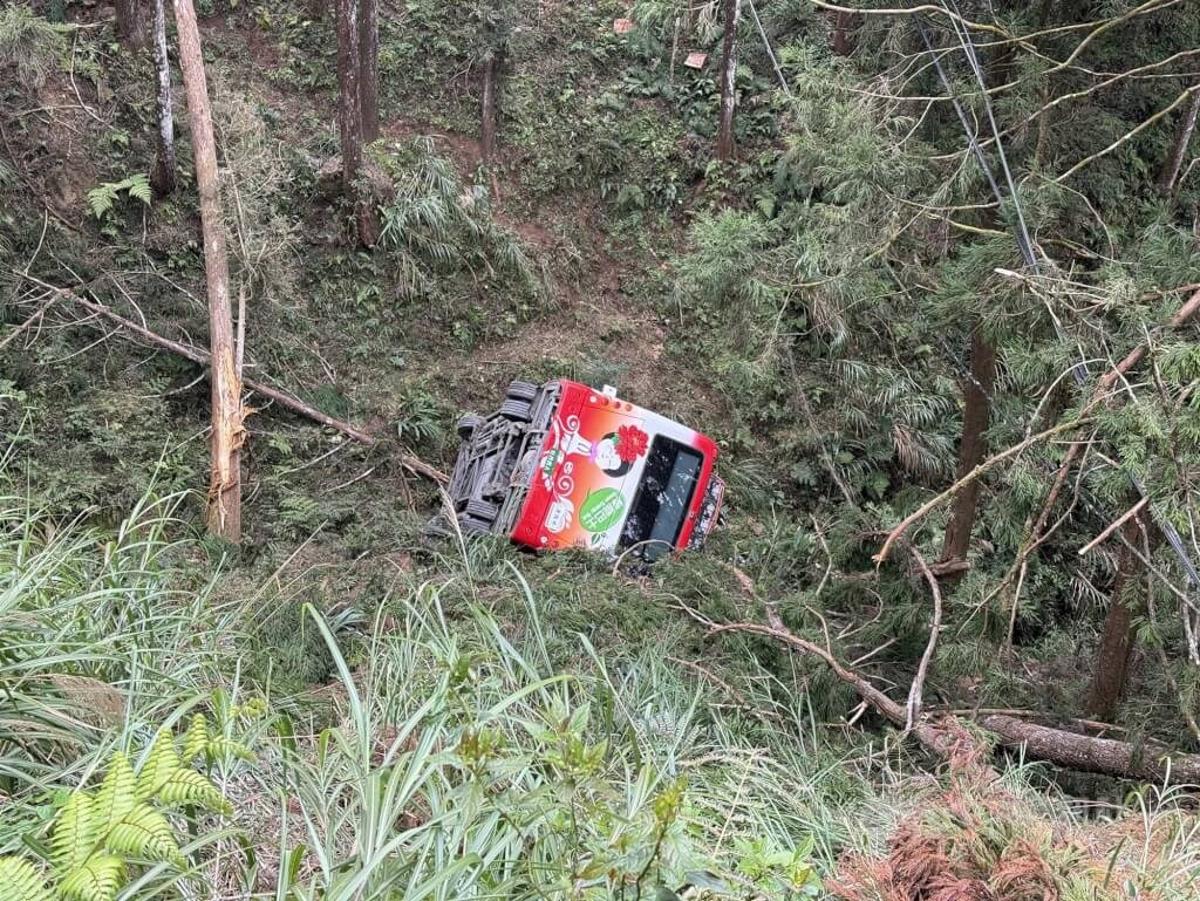
1 Dead, 7 Injured as Nantou Shuttle Bus Plunges Off Cliff (Update)
•March 9, 2026
0

Why It Matters
The crash highlights safety vulnerabilities in tourist transport on mountainous roads, prompting scrutiny of regulatory oversight and emergency response readiness in Taiwan's growing adventure‑travel sector.
Key Takeaways
- •Bus fell 20 meters into valley.
- •One passenger died, seven injured.
- •Victims include two families and driver.
- •Injuries include hemothorax, liver laceration.
- •Accident cause under investigation.
Pulse Analysis
Tourism operators in Taiwan have long relied on shuttle buses to ferry visitors through scenic mountain areas, but the Nantou incident underscores the inherent risks of navigating steep, winding roads. The Sun Link Sea Forest Recreation Area attracts thousands of hikers and families each year, and the sudden loss of control that sent the vehicle 20 meters into a valley raises questions about driver training, vehicle maintenance, and road engineering standards in remote locales. As adventure travel gains momentum, ensuring that transport providers meet rigorous safety protocols becomes essential to protect both tourists and the region’s reputation.
The emergency response to the crash was swift, with the Nantou County Fire Department dispatching rescue teams within minutes of the 12:15 p.m. report. All eight occupants were transported to nearby hospitals, where medical teams treated a spectrum of injuries—from superficial abrasions to life‑threatening conditions such as hemothorax and liver lacerations. The fatality of a 66‑year‑old passenger, who suffered cardiac arrest after the impact, highlights the critical need for rapid on‑site medical assessment and trauma care capabilities in rural districts. Local hospitals, already managing routine patient loads, faced added pressure, prompting coordination with larger facilities in Changhua for specialized treatment.
Regulators are now poised to examine the accident’s root causes, which may involve road signage, vehicle weight limits, and driver fatigue management. The incident could spur revisions to Taiwan’s transport safety guidelines, including mandatory safety briefings for tour operators and stricter inspection regimes for vehicles operating on high‑altitude routes. For the broader tourism industry, the event serves as a cautionary tale: robust risk mitigation strategies are not just a compliance issue but a competitive advantage in an increasingly safety‑conscious market.
1 dead, 7 injured as Nantou shuttle bus plunges off cliff (update)
0
Comments
Want to join the conversation?
Loading comments...