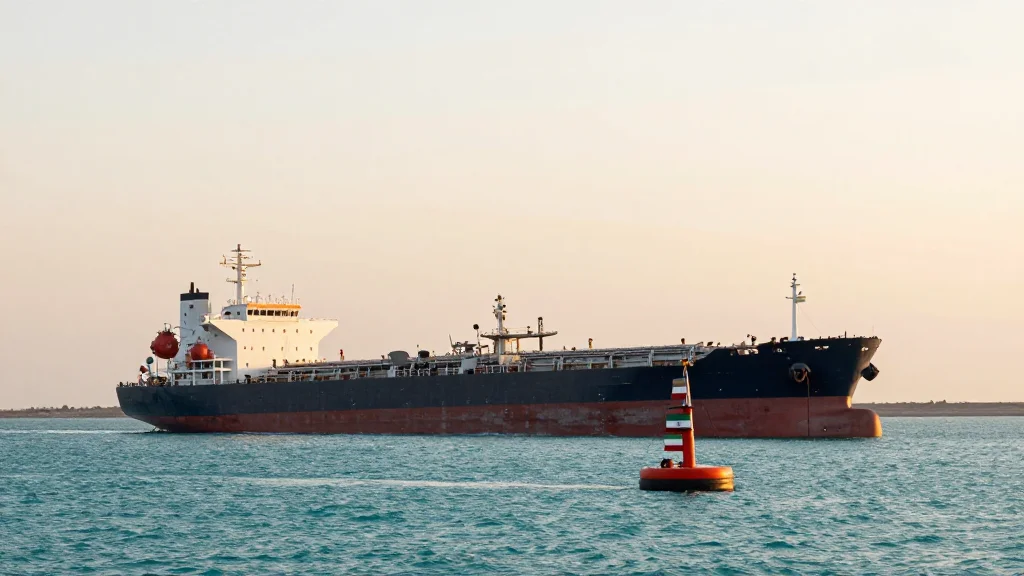
100 Days of West Asia Crisis: What Happens when the Strait of Hormuz Opens
Why It Matters
Transit fees could create a new revenue stream for Iran and Oman while altering cost structures for global oil shippers. The move also tests U.S. influence in the Gulf and may affect oil price volatility.
Key Takeaways
- •Iran proposes transit fees for vessels passing the Strait of Hormuz
- •Oman may co‑manage the strait and share revenue with Iran
- •U.S. warns Oman against collaborating on tolls, citing security concerns
- •Oil prices hover $90‑$100 per barrel after earlier surge above $125
- •Global oil flow remains disrupted, affecting 20% of world supply
Pulse Analysis
The Strait of Hormuz has long been a chokepoint for energy markets, funneling roughly one‑fifth of the world’s oil supply. Since the February 28 outbreak of the West Asia war, the waterway has seen intermittent closures, missile threats, and a sharp decline in tanker traffic. Iran’s latest signal that the strait will reopen—but under a fee‑based regime—marks a strategic shift from pure navigation rights to a monetized service model, echoing historic tolls in other strategic passages like the Suez Canal.
Under the proposed arrangement, Iran and Oman would jointly levy charges based on vessel type, cargo, and prevailing conditions. Proponents argue the fees could fund port infrastructure, navigation aids, and security patrols, potentially stabilizing the corridor. However, the United States has warned Oman that participation could breach existing sanctions and undermine regional security frameworks. Washington’s opposition reflects broader concerns about Iran’s ability to leverage the strait for economic gain amid ongoing sanctions, and it underscores the delicate balance of power among Gulf states.
Market participants have already felt the ripple effects. Brent crude, which surged past $125 per barrel during the conflict’s peak, has settled between $90 and $100 as the prospect of a fee‑based reopening raises questions about shipping costs and supply reliability. Traders are watching for how the fee structure will be implemented, whether it will be modest or punitive, and how quickly tanker routes will normalize. In the longer term, the fee model could set a precedent for other contested waterways, influencing global freight economics and prompting a reassessment of risk premiums in oil price forecasts.
100 days of West Asia crisis: What happens when the Strait of Hormuz opens
Comments
Want to join the conversation?
Loading comments...