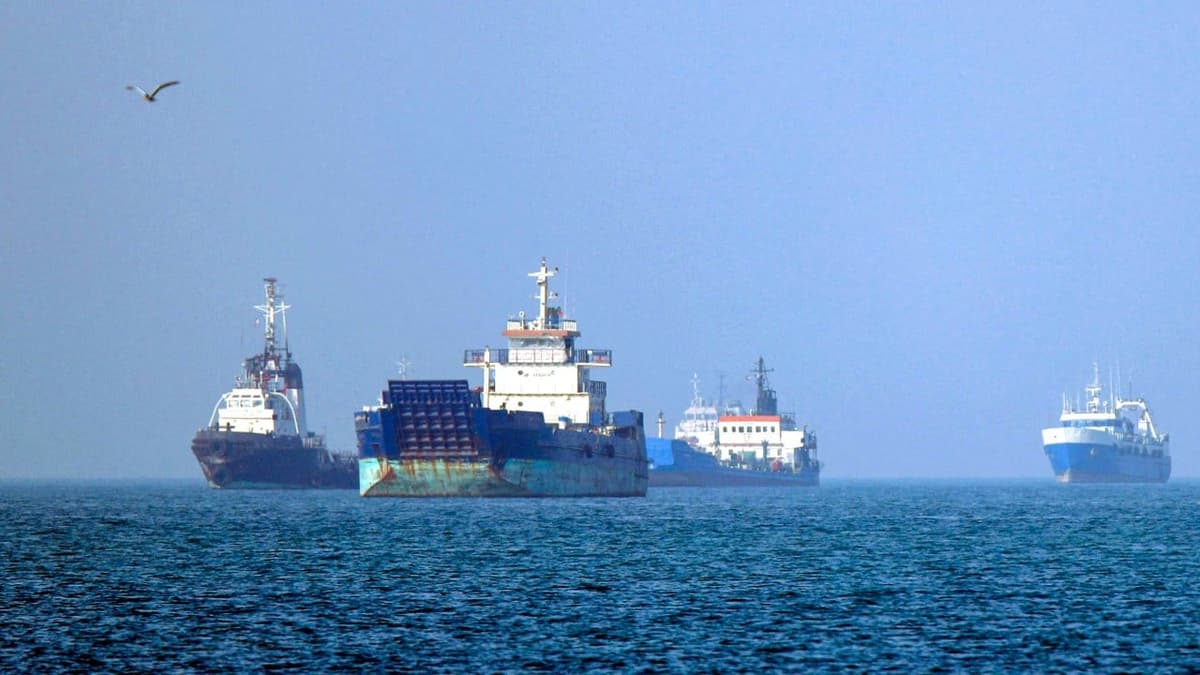
100 Hong Kong-Linked Ships ‘Stranded in Strait of Hormuz’ Amid Middle East War
Why It Matters
The stranded fleet disrupts critical oil and container flows between the Middle East and Asia, threatening supply‑chain reliability and exposing Hong Kong’s shipping sector to financial and reputational damage.
Key Takeaways
- •~100 Hong Kong‑linked vessels stuck in Strait of Hormuz
- •Approx. 2,300 crew members trapped aboard the stranded ships
- •Shipping firms prioritize delivering food, water, medical supplies to crews
- •Disruption threatens Asia‑Middle East oil and container routes
- •Hong Kong maritime sector faces reputational and financial risks
Pulse Analysis
The Strait of Hormuz has long been a strategic artery for global energy markets, channeling about a fifth of the world’s oil trade. Recent escalations between Israel and Iran have turned the narrow waterway into a contested zone, prompting naval patrols, missile alerts and heightened insurance premiums. For carriers, the risk calculus now includes not only potential damage to hulls but also the logistical nightmare of crew welfare when vessels are forced to idle in hostile waters.
Hong Kong’s maritime registry, prized for its efficiency and international credibility, now finds its reputation tested. The 100 stranded ships represent a significant slice of the city’s flag‑state fleet, many of which transport bulk commodities and containerized goods vital to Asian economies. With an estimated 2,300 seafarers aboard, operators are coordinating with humanitarian agencies and regional ports to deliver food, potable water and medical kits, while also seeking diplomatic channels to secure safe transit. The situation highlights gaps in contingency planning for crew support during geopolitical crises.
Beyond immediate operational concerns, the incident could ripple through global trade patterns. Prolonged congestion in the Hormuz corridor may push shippers to reroute via longer, costlier paths around the Cape of Good Hope, inflating freight rates and extending delivery windows. Financial markets are likely to price in higher risk premiums for vessels traversing the region, affecting charter rates and insurance costs. Stakeholders—from ship owners to commodity traders—must monitor diplomatic developments closely, as any resolution or escalation will directly influence shipping schedules, cost structures, and the broader stability of international supply chains.
100 Hong Kong-linked ships ‘stranded in Strait of Hormuz’ amid Middle East war
Comments
Want to join the conversation?
Loading comments...