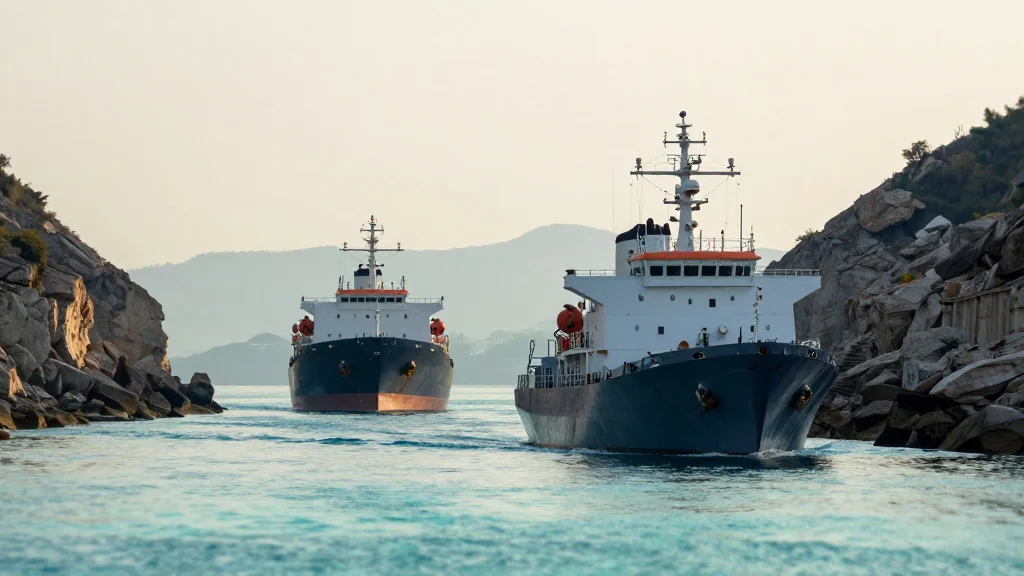
10th Indian Ship Crosses Strait Amid Firing by Iranian Gunboats
Why It Matters
The disruption underscores heightened geopolitical risk to global oil flows and threatens India’s energy supply chain, potentially tightening crude markets and raising freight costs.
Key Takeaways
- •Tenth Indian‑flagged tanker, Desh Garima, crossed Hormuz despite gunfire
- •Iran blocked Hormuz, allowing limited Indian vessels to transit
- •17 oil and gas carriers slated for evacuation, three Indian‑flagged
- •2,487 seafarers evacuated; 499 Indian crew remain in region
- •Disruptions threaten crude supply to Mumbai, raising market volatility
Pulse Analysis
The Strait of Hormuz, through which roughly 20% of the world’s oil passes, has become a flashpoint as Iran intensifies its naval blockade amid the broader US‑Israel‑Iran conflict. While a notice to mariners briefly opened a lane for commercial traffic, Iranian gunboats have intermittently fired on vessels, prompting Indian‑flagged tankers to abort their passages. Desh Garima’s successful crossing marks a tentative easing, yet the overall environment remains volatile, with Iran reserving the right to restrict lanes at its discretion.
For India, the stakes are acute. The country relies on Hormuz‑bound crude to fuel its refineries, especially in Mumbai, and any prolonged closure could force a shift to costlier alternative routes via the Cape of Good Hope. The petroleum ministry’s evacuation list—four LPG carriers, three LNG carriers and ten crude tankers—highlights the breadth of assets at risk. With 2,487 seafarers already evacuated and 499 Indian crew still stranded, the human dimension adds urgency to diplomatic efforts aimed at securing safe passage for essential energy shipments.
Geopolitically, the incident reflects the broader use of maritime chokepoints as leverage in regional power struggles. Shipping insurers have already adjusted premiums for Hormuz transits, and major carriers are reevaluating schedules to mitigate exposure. As Iran balances domestic signaling with international pressure, the likelihood of further disruptions remains high, prompting stakeholders to monitor diplomatic channels and contingency plans closely. The evolving situation serves as a reminder that geopolitical turbulence can swiftly translate into tangible market volatility and supply chain challenges.
10th Indian ship crosses Strait amid firing by Iranian gunboats
Comments
Want to join the conversation?
Loading comments...