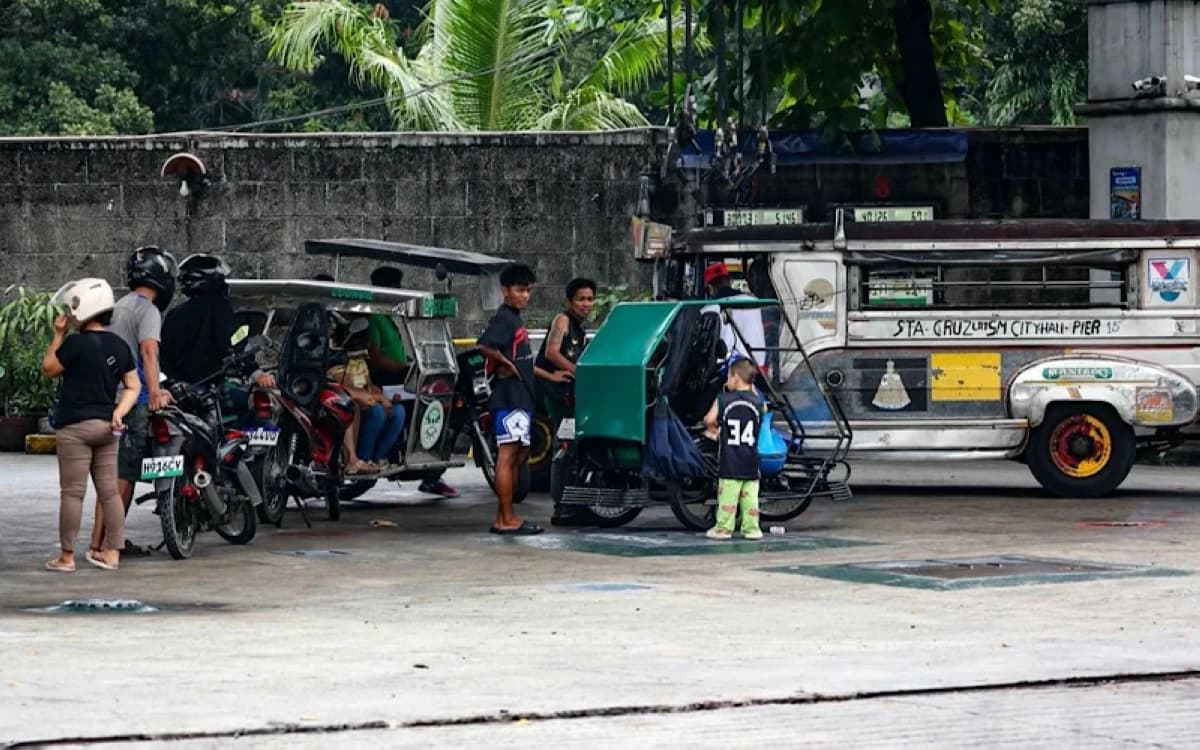
139,000 Metro Manila Tricycle Drivers First in Line for P5,000 Fuel Aid — DSWD
Why It Matters
The aid cushions drivers’ earnings against fuel inflation and helps preserve essential public‑transport capacity during a regional energy crisis.
Key Takeaways
- •139,000 tricycle drivers receive ₱5,000 each
- •Distribution starts March 17 at 39 Metro Manila centers
- •Payouts spread over three days to avoid service disruption
- •DSWD earmarked ₱30 billion for this aid round
- •Jeepney, bus, and ride‑hailing drivers await similar subsidies
Pulse Analysis
Rising global oil prices have hit the Philippines hard, with fuel costs climbing sharply in the first quarter of 2024. For millions who depend on tricycles, jeepneys and buses for daily income, the surge erodes profit margins and threatens service continuity. Recognizing transport as a lifeline for commuters and the economy, the DSWD introduced a targeted cash assistance program under its Assistance to Individuals in Crisis Situation (AICS) scheme, aiming to restore purchasing power and keep the streets moving.
The rollout is carefully staged to balance speed with operational stability. By leveraging validated driver lists supplied by local government units, the department can bypass bureaucratic delays and commence payouts at 39 strategically placed centers across Metro Manila. Disbursing the funds over three consecutive days prevents mass queuing that could cripple traffic flow, while batch scheduling by LGUs ensures that enough drivers remain on the road to meet commuter demand. Direct cash delivery at the sites also reduces processing time, allowing recipients to return to work immediately.
Beyond the immediate relief, the program signals a broader fiscal commitment to the transport sector amid geopolitical turbulence, notably the Middle East crisis that has tightened global fuel supplies. With ₱30 billion already set aside—half of the DSWD’s ₱60 billion budget—the agency retains flexibility for additional rounds if price pressures persist. This proactive stance not only stabilizes driver livelihoods but also safeguards the reliability of public transport, a critical component of urban mobility and economic resilience in the Philippines.
139,000 Metro Manila tricycle drivers first in line for P5,000 fuel aid — DSWD
Comments
Want to join the conversation?
Loading comments...