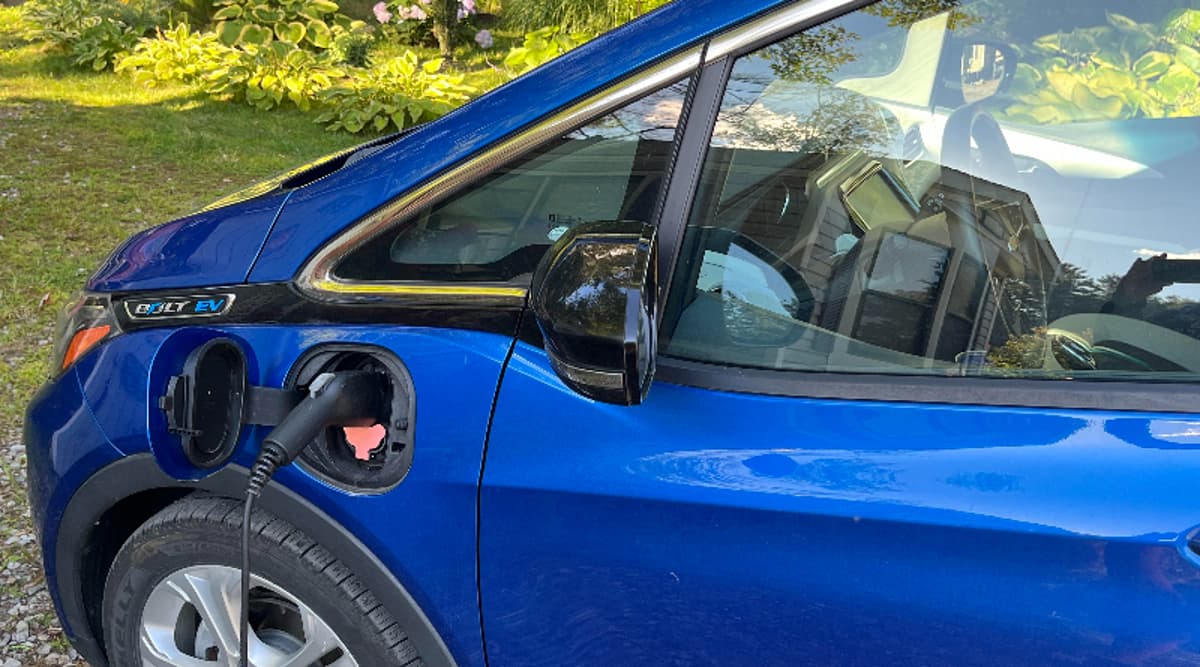
14 New EV Chargers To Be Installed In Aspen, Colorado
Why It Matters
Expanding public charging infrastructure directly reduces range anxiety and supports a shift toward electric mobility, especially in markets with high fuel costs. Aspen’s renewable‑powered network showcases how municipalities can pair clean electricity with EV access to accelerate decarbonization.
Key Takeaways
- •Aspen adds 14 Level 2 chargers, raising total plugs to 38
- •Installation cost averages $15,500 per charger, under $220k total
- •City’s grid runs on 100 % renewable energy since 2015
- •New chargers aim to offset high gasoline prices and fuel volatility
Pulse Analysis
Aspen’s latest rollout of 14 Level 2 electric‑vehicle chargers underscores a growing trend among U.S. municipalities to invest in public EV infrastructure. While the city’s existing 24 plugs already served a modest fleet, the addition pushes total capacity to 38, a 58 % increase that can accommodate both residents and tourists visiting the ski resort town. The $217,297 budget—averaging roughly $15,500 per unit—reflects a cost‑effective approach that includes a 15 % contingency, positioning Aspen as a model for fiscally responsible EV projects.
The strategic placement of these chargers at community hubs such as libraries, government buildings, and shopping centers aligns with the typical use case for Level 2 stations, which deliver about 35 miles of range per hour of charge. By leveraging Aspen’s 100 % renewable electricity supply—sourced from hydro, wind, and solar since 2015—the city ensures that each kilowatt‑hour consumed is carbon‑free, amplifying the environmental benefits of electric driving. This clean‑energy pairing also offers a tangible economic advantage: electricity costs remain well below volatile gasoline prices, which have surged amid global supply disruptions.
Beyond local impact, Aspen’s initiative signals broader market implications. As fuel prices climb and policymakers grapple with climate‑related mandates, cities that proactively expand charging networks can attract EV owners, stimulate local commerce, and reduce reliance on imported oil. The project also highlights how modest public‑sector investments can catalyze private‑sector adoption, encouraging automakers and fleet operators to consider electric options. In a climate where consumer sentiment is shifting toward sustainability, Aspen’s chargers may serve as a blueprint for other municipalities aiming to accelerate the electric transition while maintaining fiscal prudence.
14 New EV Chargers To Be Installed In Aspen, Colorado
Comments
Want to join the conversation?
Loading comments...