Why It Matters
The deployment accelerates regional decarbonisation, improving air quality and positioning Pulhams as a leader in UK zero‑emission public transport.
Key Takeaways
- •15 electric buses deployed across Gloucestershire routes
- •£8.17 m total investment, £6.63 m for vehicles
- •Funding includes £3.21 m ZEBRA scheme contribution
- •New charging infrastructure built at Golden Valley depot
- •Fleet now exceeds 150 vehicles after 60 additions
Pulse Analysis
The addition of 15 electric buses marks a significant milestone for Pulhams and the broader UK push toward zero‑emission public transport. By selecting Wrightbus’s Electroliner and GB Kite models, the operator benefits from high‑capacity battery packs—442 kWh to 528 kWh—enabling longer routes without compromising service frequency. This aligns with the Department for Transport’s Zero Emission Bus Regional Areas (ZEBRA) programme, which continues to funnel public funds into regional fleets, reducing reliance on diesel and supporting national climate targets.
Beyond the vehicles themselves, Pulhams’ investment in charging infrastructure and depot upgrades underscores the holistic nature of fleet electrification. The new charging points at Golden Valley, coupled with a modernised bus wash and refuel system at Cheltenham, improve operational efficiency and lower maintenance costs. Such infrastructure upgrades are essential for scaling electric bus networks, as they mitigate range anxiety and ensure rapid turnaround times, ultimately making electric buses a viable alternative for busy regional routes.
For the local community, the environmental benefits are tangible. Replacing diesel buses with electric units cuts tailpipe emissions, directly improving air quality in the Cotswolds and surrounding towns. Moreover, the project signals confidence from both private investors and public bodies, encouraging further private‑public partnerships in sustainable transport. As Pulhams expands its fleet beyond 150 vehicles, the company sets a benchmark for other regional operators seeking to modernise while meeting increasingly stringent emissions regulations.
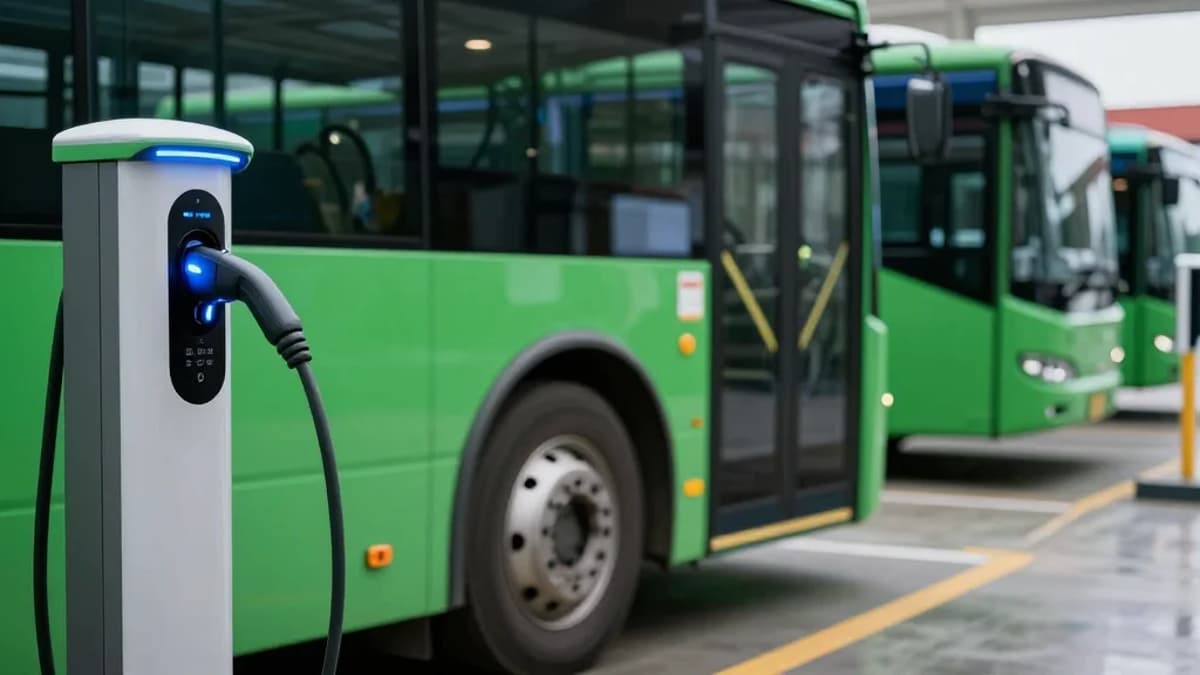
15 new electric buses for Gloucestershire
0
Comments
Want to join the conversation?
Loading comments...