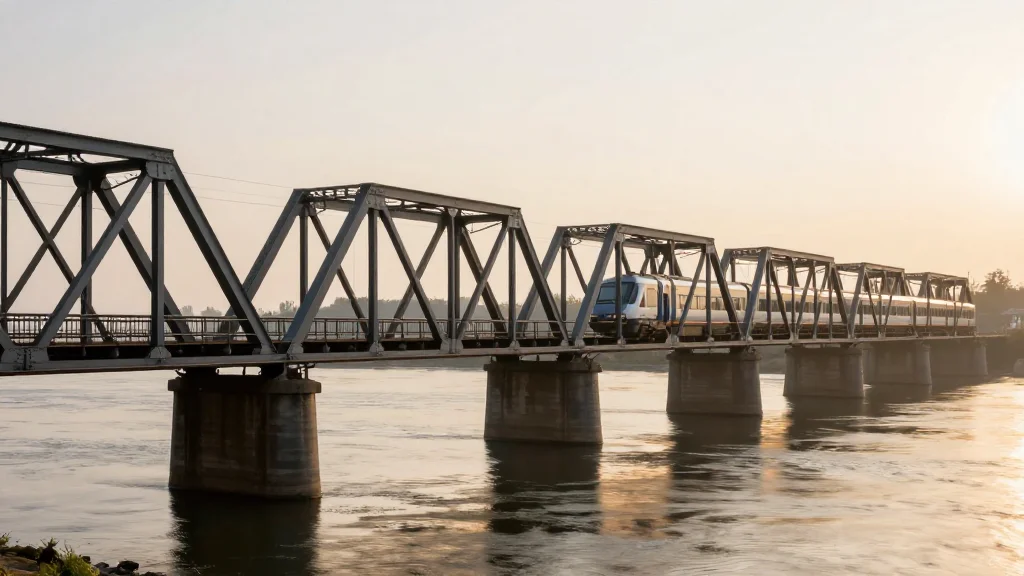
16-Day Programme to Renew 1868 Rail Bridge over River Plym Completed
Why It Matters
The reinforcement supports higher‑capacity, faster trains, bolstering regional mobility and economic growth. It also signals Network Rail’s commitment to future‑proof legacy infrastructure.
Key Takeaways
- •16‑day project restored 1868 bridge for modern trains
- •134 new steel bearers and 180 m rail installed
- •Japanese FFU timber replaces traditional wood, lasts six times longer
- •Additional 400 m rail renewed near Newton Abbot
- •Temporary dam protected river flow and fish during works
Pulse Analysis
Britain’s rail network is increasingly constrained by its Victorian heritage, with many bridges designed for 19th‑century loads. As passenger numbers surge and operators introduce heavier rolling stock, Network Rail has accelerated a programme of structural upgrades to avoid bottlenecks. The River Plym bridge, a critical link on the Plymouth‑Totnes corridor, exemplifies this trend: a rapid, high‑intensity intervention that aligns with national capacity targets while preserving historic fabric.
The technical scope of the Plym bridge works showcases a blend of traditional engineering and innovative materials. Installing 134 steel rail bearers and 180 metres of new rail restored the load‑bearing capacity, while the adoption of FFU (Fiber‑Formed Ultra‑light) timber—sourced from Japan—replaced aging timber with a composite that is up to six times longer‑lasting and requires minimal maintenance. Environmental stewardship was also a priority; a temporary dam allowed half‑river flow to continue, protecting fish habitats and satisfying Marine Management Organisation and Environment Agency permits.
Beyond the bridge, the coordinated upgrades—rail renewal near Newton Abbot, platform resurfacing at Totnes, and crossing enhancements at Ivybridge, Newton Abbot and Plympton—deliver immediate reliability gains and lay groundwork for future signalling improvements. For Devon and Cornwall, restored services mean smoother commuter journeys, stronger tourism links, and a more resilient supply chain. The project underscores how targeted, time‑boxed investments can extend the life of historic infrastructure while meeting modern performance expectations.
16-day programme to renew 1868 rail bridge over River Plym completed
Comments
Want to join the conversation?
Loading comments...