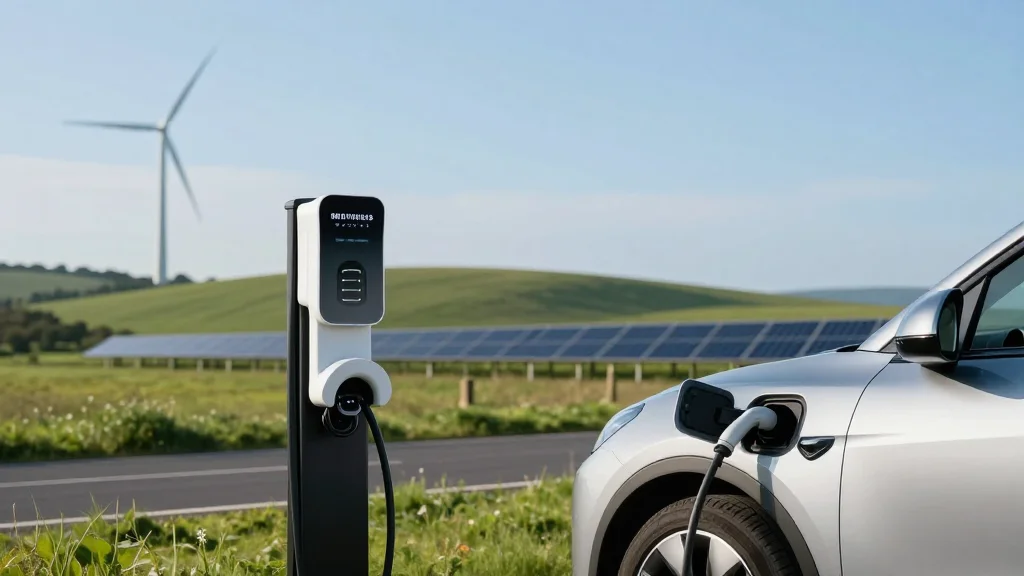
17,000 New EV Chargers Coming To The UK
Why It Matters
Scaling charging infrastructure removes a key barrier to EV adoption, bolstering the UK’s emissions‑reduction targets and stimulating local green‑economy jobs. The public‑private funding model demonstrates a replicable pathway for rapid, sustainable infrastructure deployment.
Key Takeaways
- •17,000 chargers slated for Hampshire, UK.
- •800 rapid chargers among the new installations.
- •First 500 units to be live by year‑end.
- •Funding blends government grants with private capital.
- •Network will run on 100% renewable electricity.
Pulse Analysis
The United Kingdom’s electric‑vehicle market is reaching a tipping point, and the availability of reliable charging points is the linchpin. After Kent’s ambitious 10,000‑charger pledge, Hampshire’s plan to deploy roughly 17,000 units marks the largest single‑county rollout to date. By concentrating installations in residential areas and adding 800 rapid chargers, the programme addresses both everyday commuters and long‑distance drivers, easing range‑anxiety and encouraging broader EV uptake.
What sets the Hampshire project apart is its financing structure. Leveraging the Local Energy and Vehicle Infrastructure (LEVI) scheme, the county combines national funding with substantial private investment from Believ, a charger operator that guarantees 100 % renewable electricity for its network. This hybrid model not only accelerates deployment—500 chargers are expected before year‑end—but also spreads fiscal risk and showcases how public policy can catalyze private capital. Moreover, the construction and maintenance of the chargers generate local jobs that are free from exposure to gasoline or diesel, aligning workforce development with climate goals.
The broader implications extend beyond Hampshire’s borders. A successful, renewable‑powered rollout provides a template for other UK regions and reinforces the government’s commitment to net‑zero by 2050. As charging density improves, electric‑vehicle ownership becomes more practical for households lacking private parking, expanding the market for automakers and ancillary services. Ultimately, the initiative signals to investors that the UK’s green transport ecosystem is maturing, promising sustained growth in clean‑energy infrastructure and associated economic benefits.
17,000 New EV Chargers Coming To The UK
Comments
Want to join the conversation?
Loading comments...