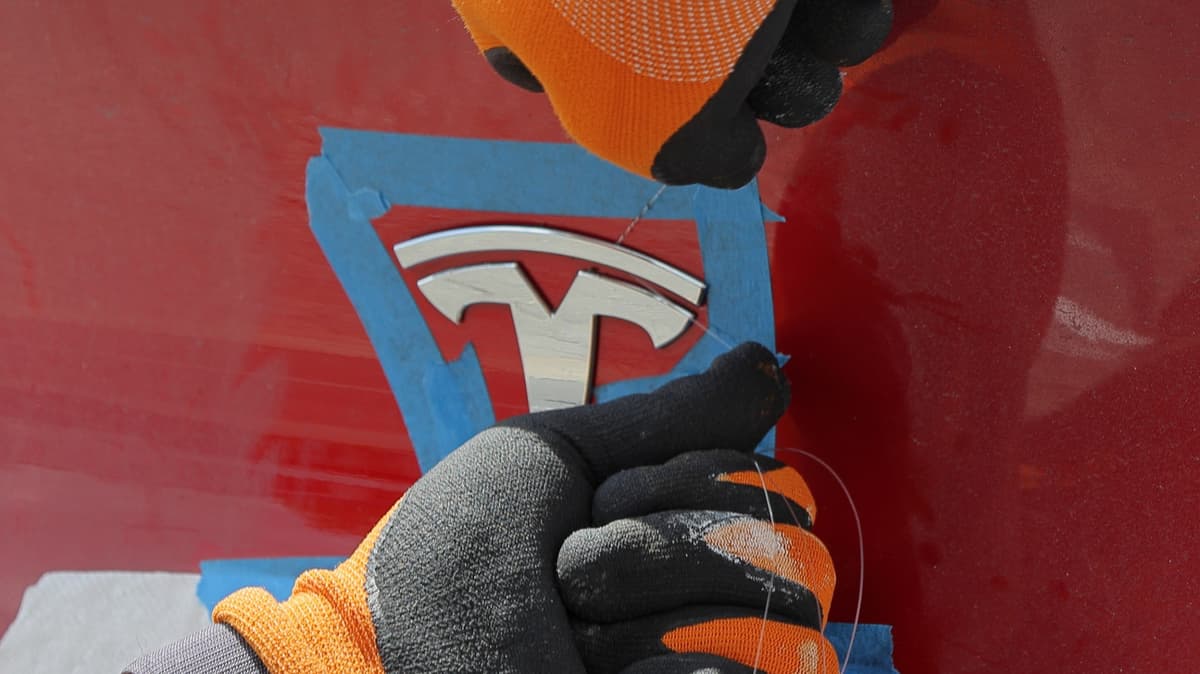
2 Things To Know Before Removing The Badges From Your Car

Companies Mentioned
Why It Matters
Understanding the legal limits and technical steps of debadging helps owners avoid costly warranty issues and resale penalties while achieving a customized appearance.
Key Takeaways
- •Heat and floss safely remove adhesive‑mounted badges
- •Stud‑mounted badges leave holes requiring filler and paint
- •VIN or safety‑related emblems removal is illegal
- •Improper debadging may void warranty coverage
- •Resale value can drop if badge removal looks sloppy
Pulse Analysis
The rise of personal branding extends to automobiles, where owners increasingly seek subtle ways to differentiate their rides without costly aftermarket parts. Debadging—stripping factory logos—has become a popular DIY trend because it instantly upgrades a vehicle’s perceived trim level and eases routine detailing. By eliminating protruding emblems, wax and polish adhere more evenly, reducing the risk of residue buildup that can mar a finish. This customization aligns with broader consumer desires for sleek, minimalist aesthetics while keeping expenses low.
Legal considerations, however, are a critical piece of the puzzle. Federal and state statutes do not prohibit the removal of decorative badges, but they draw a hard line at any tampering with the vehicle identification number (VIN) plate or safety‑related symbols such as emissions stickers. Violating those provisions can constitute a felony, so owners must verify that the emblems they target are purely cosmetic. Checking local ordinances before starting ensures compliance and prevents unintended legal exposure.
From a technical standpoint, the success of a debadging project hinges on the attachment method. Adhesive‑mounted badges respond well to gentle heat from a hair dryer or heat gun, followed by a floss or fishing‑line technique that slides the emblem off without scraping paint. In contrast, stud‑mounted badges leave small mounting holes that demand filler, sanding, and a touch‑up paint job to restore a seamless surface. Skipping these steps can lead to visible imperfections, potentially voiding warranties and lowering resale value. Proper preparation, adhesive removal, and final polishing are essential to achieve a factory‑like finish that preserves both the car’s aesthetic and its market appeal.
2 Things To Know Before Removing The Badges From Your Car
Comments
Want to join the conversation?
Loading comments...