Key Takeaways
- •Driving face‑out when parking reduces start‑up fuel consumption.
- •Coasting and minimizing braking improves mileage and brake lifespan.
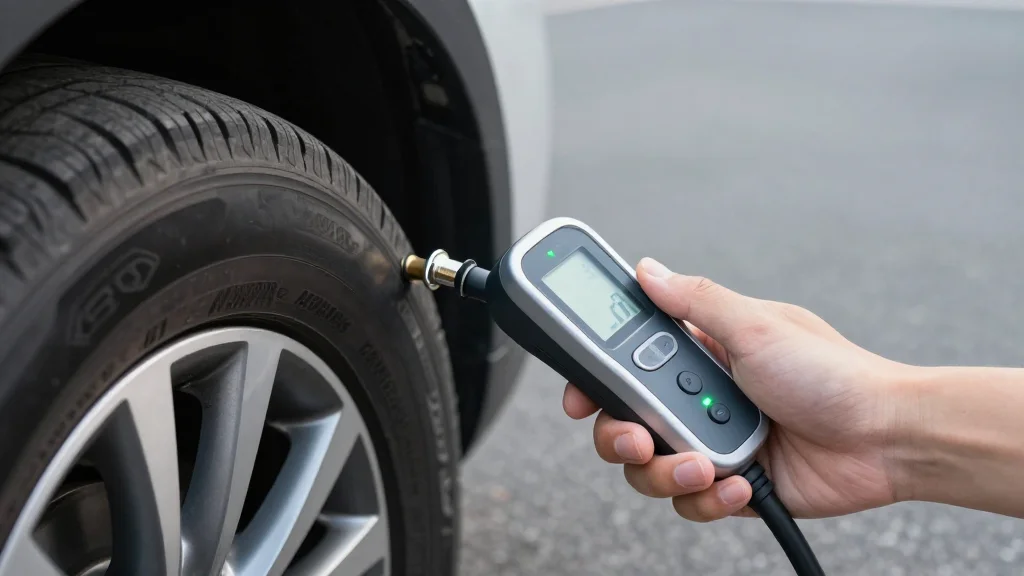
- •Proper tire inflation can boost fuel economy by up to 3 %.
- •Combining errands cuts trips, saving time and fuel costs.
- •Using cruise control on flat roads stabilizes speed and reduces fuel use.
Pulse Analysis
Hypermiling, once a niche practice among fuel‑conscious enthusiasts, has entered mainstream conversation as gasoline prices climb sharply due to the ongoing Middle East conflict and post‑pandemic supply constraints. While the term evokes images of extreme driving maneuvers, the core principle is simple: eliminate unnecessary energy loss. Modern telematics and on‑board fuel‑economy displays make it easier for drivers to monitor real‑time consumption, turning abstract savings into measurable data. This renewed focus aligns with broader sustainability goals, prompting both consumers and corporate travel managers to revisit everyday habits that can shave pennies per mile without costly vehicle upgrades.
The 20‑point guide highlights low‑tech interventions that collectively deliver measurable gains. Coasting instead of hard braking can improve mileage by 5‑10 %, while maintaining tire pressure within manufacturer specifications often adds 2‑3 % fuel economy. Simple actions such as parking face‑out reduce the engine load of the initial launch, and using cruise control on level terrain stabilizes throttle input, cutting fuel spikes. Even modest weight reductions—removing roof racks or excess cargo—lower aerodynamic drag, especially at highway speeds above 40 mph. When applied consistently, these habits can reduce a typical driver’s annual fuel bill by several hundred dollars.
For businesses that operate fleets, hypermiling translates directly into bottom‑line improvement and lower carbon footprints, supporting ESG reporting objectives. Fleet managers can embed the techniques into driver‑training curricula, track compliance through GPS‑based fuel‑efficiency dashboards, and reward high‑performing operators. As electric and hybrid models gain market share, many of the same principles—smooth acceleration, minimal idling, optimal tire pressure—remain relevant for maximizing range. Ultimately, hypermiling offers a cost‑effective bridge between traditional internal‑combustion vehicles and the electrified future, delivering immediate savings while reinforcing a culture of efficiency.
20 Hypermiling Tips Could Save You Money on Fuel.
Comments
Want to join the conversation?