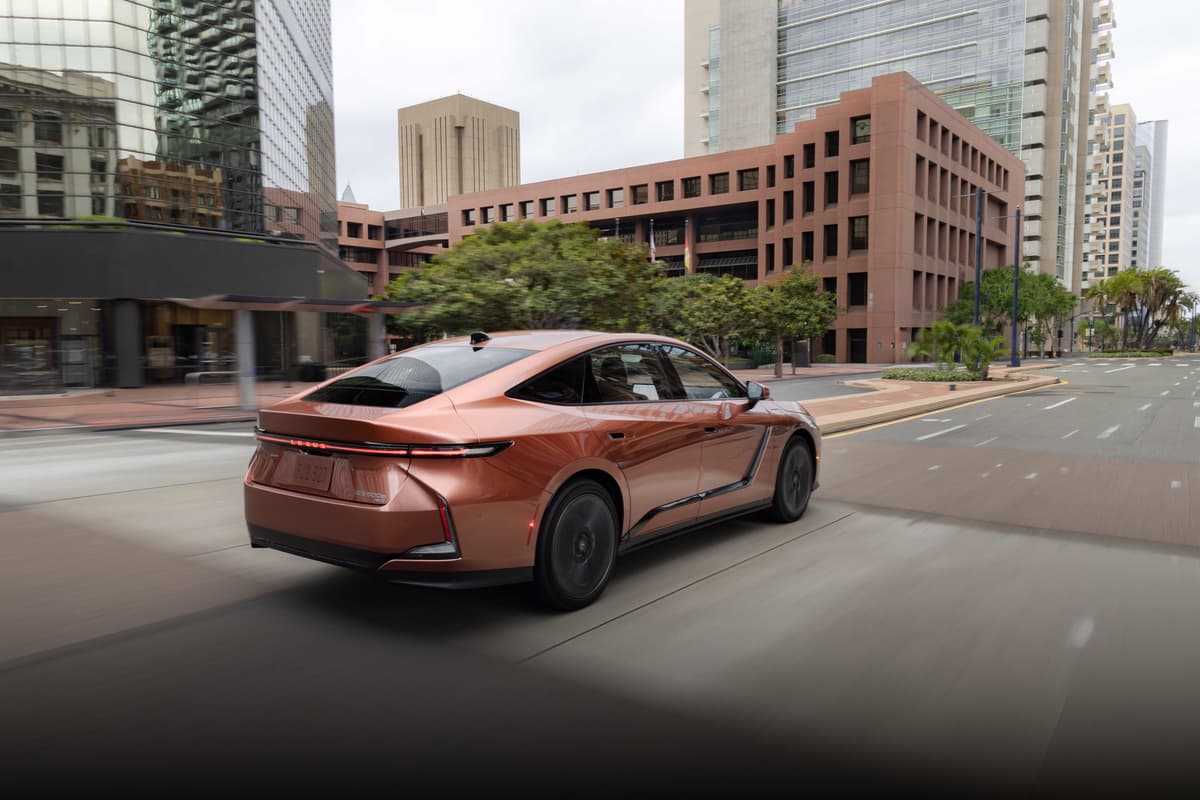
2026 Lexus ES Goes Electric and Must Play a New Role
Companies Mentioned
Why It Matters
The ES EV positions Lexus to remain competitive in the fast‑growing luxury EV segment, offering a premium alternative at a price that challenges Tesla’s Model 3. Its success will signal whether legacy automakers can leverage brand heritage to capture EV‑savvy buyers.
Key Takeaways
- •Lexus revives ES as flagship, replacing LS in sedan lineup
- •2026 ES EV offers 224‑hp FWD and 338‑hp AWD variants
- •67 kWh battery yields 272‑307 mi EPA range, modest for segment
- •Starting price $48,895 positions ES EV against Tesla Model 3
- •Luxury rear‑seat package adds executive comfort and custom drive mode
Pulse Analysis
Lexus’s decision to retire the LS and double down on the ES reflects a broader industry shift toward streamlined lineups that prioritize electrification. By turning the ES into its flagship sedan, the Japanese automaker leverages a nameplate with three decades of brand equity while signaling a new strategic focus. The move also aligns with Toyota’s larger EV roadmap, which has been slower than rivals but gains credibility through tangible products like the ES350e and ES500e. This repositioning could attract buyers who value Lexus’s reputation for reliability and luxury but now demand zero‑emission powertrains.
Technically, the 2026 ES EV is a mixed bag. Its 67 kWh battery pack, shared across both powertrain options, limits range to roughly 270‑310 miles—adequate for daily commutes but modest compared with rivals such as the Hyundai Ioniq 6 or Tesla Model 3, which offer 350‑400 miles. Acceleration is respectable for a comfort‑oriented sedan, with the AWD ES500e hitting 0‑60 mph in about 4.8 seconds, yet the vehicle’s nearly 5,000‑lb curb weight hampers handling agility. Lexus’s decision to forgo a true one‑pedal mode and cap DC fast‑charging at 150 kW suggests a cautious approach, prioritizing cost and cabin quietness over cutting‑edge performance.
From a market perspective, the ES EV’s pricing strategy is its strongest asset. Starting under $49,000, it undercuts many luxury EVs while delivering a larger interior and higher‑grade materials than the similarly priced Model 3. The optional executive rear‑seat package, complete with a dedicated drive mode to smooth regenerative braking, targets affluent ride‑share users and executive commuters. If Lexus can maintain its hallmark reliability and upscale feel, the ES EV could carve out a niche among buyers seeking a premium, low‑maintenance sedan without the premium price tag, potentially boosting Lexus’s EV market share in North America.
2026 Lexus ES Goes Electric and Must Play a New Role
Comments
Want to join the conversation?
Loading comments...