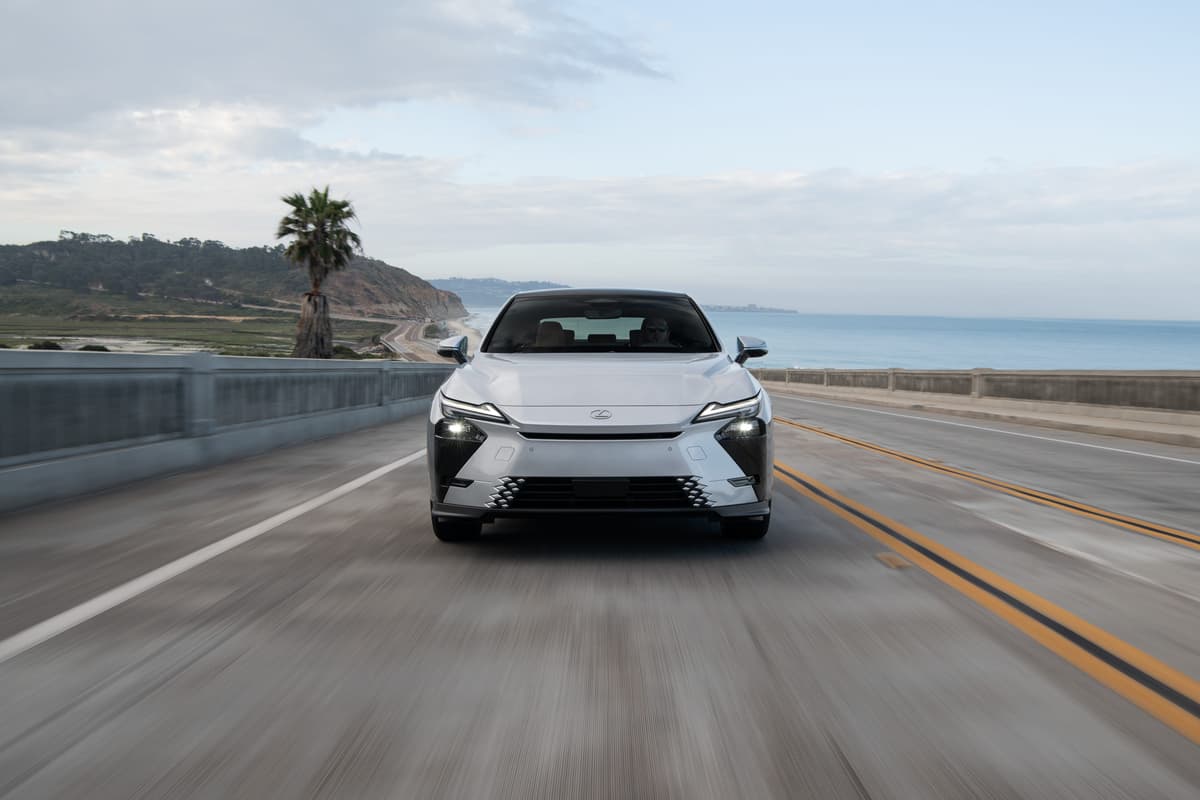
2026 Lexus ES Hybrid Grows, Evolves but Has Familiar Feel
Companies Mentioned
Why It Matters
Lexus’s shift toward a dominant hybrid lineup strengthens its position in the competitive mid‑size luxury sedan market and offers a high‑efficiency alternative to gas‑heavy rivals. The strategy highlights how incremental electrification can drive sales growth while preserving brand identity.
Key Takeaways
- •ES350h pricing begins at $51,095, $6,380 above previous ES300h
- •Hybrid powertrain delivers 244 hp, 46 mpg combined fuel economy
- •All‑wheel‑drive option adds rear electric motor without extra horsepower
- •Wheelbase stretches to 116.1 in, entering larger mid‑size luxury segment
- •Interior features 14‑inch touchscreen, retaining tactile controls for key functions
Pulse Analysis
The 2026 Lexus ES marks the brand’s first major redesign of its flagship sedan in eight generations, blending a taller, more imposing silhouette with a modern interior dominated by a 14‑inch touchscreen. While the new model introduces an all‑electric variant, the hybrid ES350h remains the core offering, reflecting Lexus’s strategy to grow its hybrid share from 40 % of sales last year to an anticipated 80 % in the United States. This evolution preserves the quiet, plush ride that made the ES a bestseller while updating its aesthetic to appeal to younger luxury buyers.
Under the hood, the sixth‑generation Toyota hybrid system pairs a 2.5‑liter Atkinson‑cycle inline‑four with two electric motors, delivering a combined 244 horsepower—up from the previous 215 hp. Fuel efficiency improves to 46 mpg combined for front‑wheel‑drive models and 44 mpg for the newly available all‑wheel‑drive version, which adds a rear motor without increasing peak output. The ES’s wheelbase stretches to 116.1 in, pushing its length to 202.4 in and positioning it at the larger end of the mid‑size luxury sedan segment, directly against the BMW 5‑Series and Mercedes‑Benz E‑Class.
Pricing starts at $51,095 for the Premium FWD trim, $6,380 higher than the outgoing ES300h, yet it remains well below its German rivals, offering a compelling value proposition for buyers seeking luxury without premium premiums. The blend of a refined ride, quiet cabin, and strong EPA ratings should sustain the ES’s loyal customer base while attracting new, eco‑conscious consumers. As Lexus expands its hybrid portfolio, the ES demonstrates how incremental electrification can coexist with traditional luxury, setting a template for future models as the market pivots toward full‑electric vehicles.
2026 Lexus ES Hybrid Grows, Evolves but Has Familiar Feel
Comments
Want to join the conversation?
Loading comments...