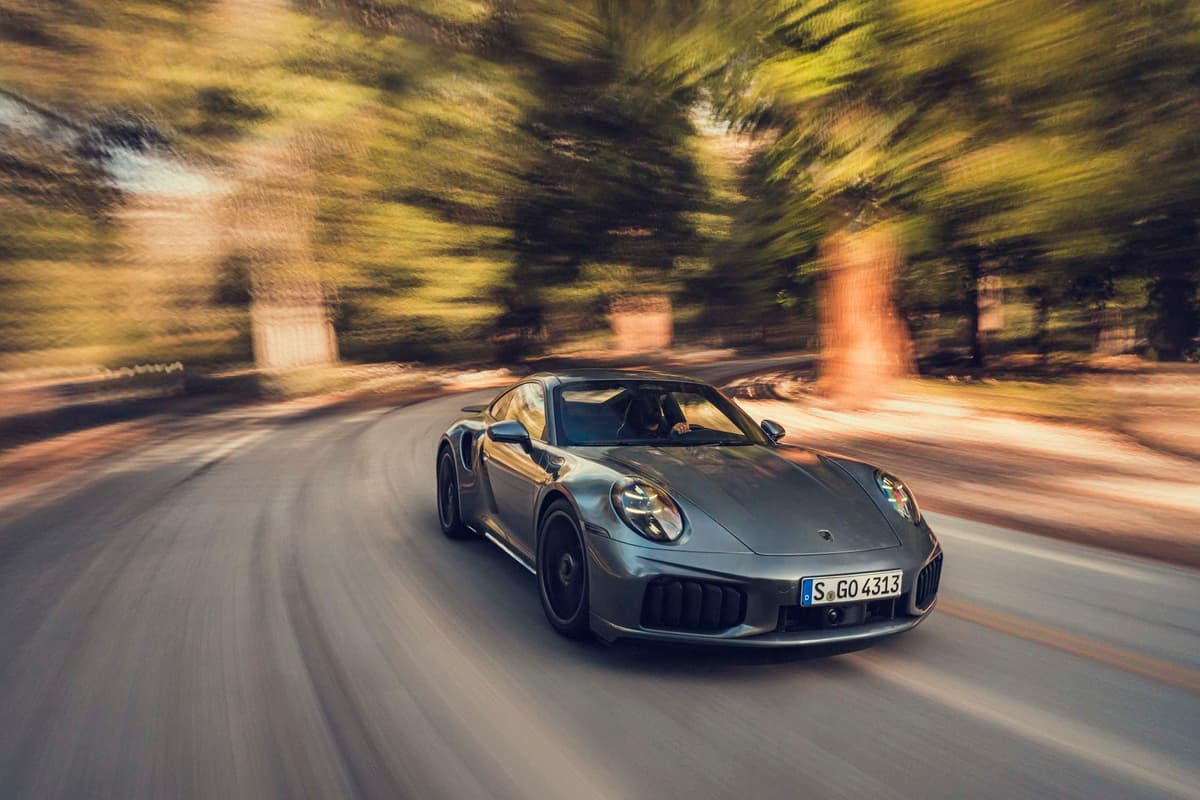
2026 Porsche 911 Turbo S Tested: Approachable Insanity
Why It Matters
The Turbo S proves that hybridization can boost traditional ICE performance, keeping gasoline sports cars competitive as EVs dominate high‑performance segments. It signals Porsche’s strategy to blend electrification with brand heritage, influencing luxury performance market dynamics.
Key Takeaways
- •Hybrid powertrain adds 701 hp, 590 lb‑ft torque.
- •0‑60 mph in 2.0 seconds, fastest gas‑engine test.
- •Quarter‑mile 9.7 seconds at 142 mph, beats previous model.
- •Weight increase 267 lb offset by electric assistance.
- •Braking 70‑0 mph in 134 ft, among best recorded.
Pulse Analysis
Porsche’s 2026 911 Turbo S illustrates how strategic hybridization can revitalize an iconic internal‑combustion platform. By integrating electrically assisted twin turbos and an in‑transaxle motor, the car achieves a 701‑horsepower output without sacrificing the characteristic flat‑six soundtrack. This architecture not only narrows the performance gap with pure‑electric hypercars but also leverages the instantaneous torque of electric motors to improve launch control and mid‑range acceleration, delivering a 0‑60 time of 2.0 seconds—an achievement that redefines the benchmark for gasoline‑powered sports cars.
The added 267 lb of hybrid hardware raises questions about weight penalties, yet real‑world testing shows the electric assist effectively neutralizes the burden. In rolling‑start scenarios, the Turbo S is 0.9 seconds quicker than its predecessor, underscoring the tangible benefits of e‑turbo lag mitigation. Moreover, Porsche’s updated chassis—featuring active anti‑roll bars, rear‑axle steering, and refined dampers—delivers a 1.12 g skidpad figure, proving that handling dynamics remain razor‑sharp despite the extra mass. These engineering choices reflect a broader industry trend where performance brands use hybrid systems to enhance both straight‑line speed and cornering agility.
From a market perspective, the Turbo S’s pricing and optionality signal Porsche’s confidence in hybrid performance as a premium proposition. While EVs like the Ferrari SF90 Stradale already eclipse traditional powertrains in raw output, the Turbo S offers a compelling alternative that blends heritage, sound, and driving engagement. As emissions regulations tighten and consumer expectations evolve, Porsche’s approach may set a template for other luxury manufacturers seeking to preserve the emotional appeal of ICE while embracing electrification, ensuring relevance in a rapidly electrifying performance landscape.
2026 Porsche 911 Turbo S Tested: Approachable Insanity
Comments
Want to join the conversation?
Loading comments...