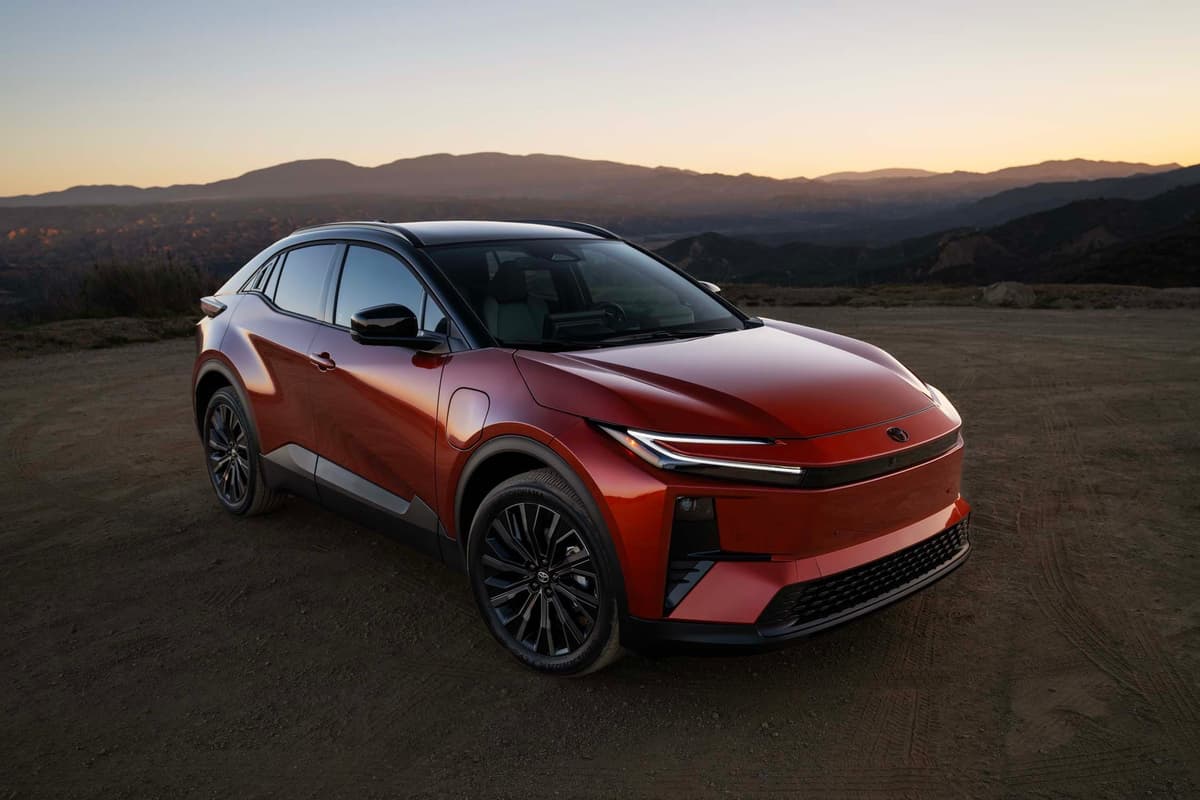
Why It Matters
The C‑HR gives Toyota a competitive, higher‑priced entry in the fast‑growing subcompact EV segment, challenging rivals like the Subaru Uncharted and signaling Toyota’s push to expand its electric lineup.
Key Takeaways
- •Dual‑motor 338 hp yields 4.3‑second 0‑60 mph.
- •EPA range 273‑287 miles on single 67 kWh battery.
- •Base price $39,000 positions C‑HR above Subaru Uncharted.
- •Standard all‑wheel drive, NACS port enables Tesla Supercharging.
- •Cargo space 25 cu ft, rear seat room limited.
Pulse Analysis
Toyota’s 2027 C‑HR marks the automaker’s strategic shift from a legacy gasoline crossover to a pure‑electric model built on the bZ architecture. By consolidating to a single 67 kWh pack and offering a potent 338‑horsepower dual‑motor system, the C‑HR delivers performance that rivals larger EVs while staying within the subcompact footprint. Its 14‑inch touchscreen, wireless charging pads, and comprehensive driver‑assistance suite reflect the industry’s move toward integrated tech, and the inclusion of a NACS charging port ensures compatibility with Tesla’s expansive Supercharger network, a key factor for range‑anxious shoppers.
Pricing the C‑HR between $39,000 and $41,000 positions it above the Subaru‑branded Uncharted, which shares the same chassis but offers a lower‑cost front‑wheel‑drive variant. This premium places the C‑HR squarely against the Chevrolet Bolt EUV and Nissan Leaf Plus, yet its superior 0‑60 mph acceleration and higher EPA MPGe ratings give it a performance edge. The vehicle’s 273‑287‑mile range meets the expectations of urban commuters and suburban drivers alike, while the 30‑minute 10‑to‑80 percent fast‑charge window aligns with the growing consumer demand for quick turnaround times on public DC fast chargers.
For Toyota, the C‑HR serves as a litmus test for expanding its electric portfolio without cannibalizing the larger bZ models. The eight‑year, 100,000‑mile battery warranty and two‑year complimentary maintenance program aim to alleviate lingering consumer concerns about long‑term EV ownership costs. As automakers race to capture market share in the subcompact EV niche, the C‑HR’s blend of performance, range, and tech could influence buyer preferences and push competitors to elevate their own offerings, accelerating the broader shift toward electrified mobility.
2027 Toyota C-HR
Comments
Want to join the conversation?
Loading comments...